

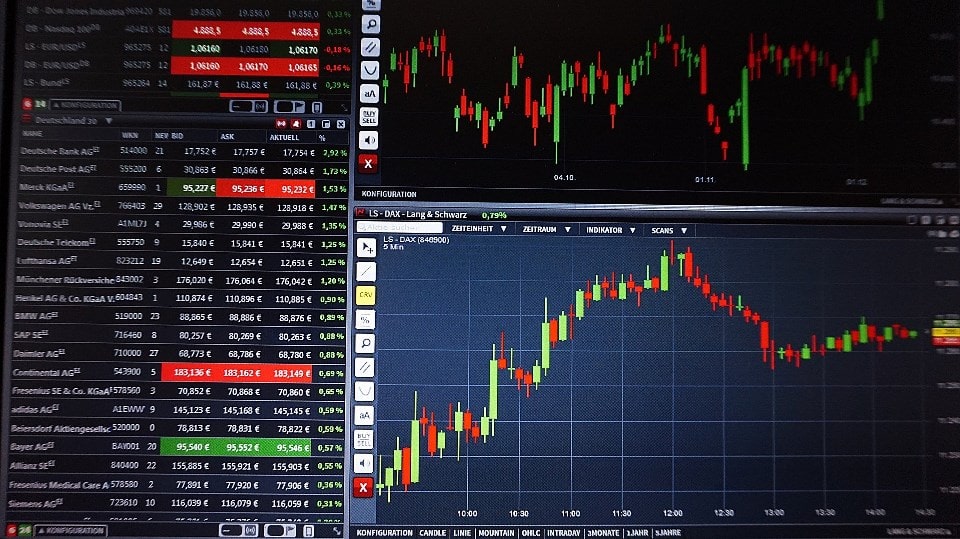
The rise of automated forex trading systems is reshaping how retail traders participate in the $7.5 trillion-a-day currency market. Once the preserve of global banks and hedge funds, algorithm-driven trading tools are now widely accessible, narrowing the gap between institutional and individual investors. As more retail traders adopt automation, trust in these systems is growing, not simply because they are new, but because they address long-standing weaknesses in manual trading.
At its core, the growing appeal of automated forex trading systems lies in discipline. Manual trading often demands constant screen time, emotional resilience, and rapid decision-making under pressure. Fatigue, stress, and impulsive reactions can quietly erode performance. Automation replaces gut reactions with predefined rules, executing trades strictly according to strategy. This shift from emotion-driven decisions to logic-based execution is one reason many traders now view these systems as essential tools rather than optional add-ons.
How Automated Forex Trading Systems Reduce Burnout
For many retail traders, burnout has been an invisible cost of currency speculation. Monitoring charts across London, New York, and Asian trading sessions can disrupt sleep patterns and personal schedules. Automated forex trading systems operate continuously, executing trades around the clock without requiring physical presence.
This matters for households balancing trading with full-time jobs or family responsibilities. Instead of staying awake to monitor market volatility, individuals can rely on systems that execute orders only when predefined criteria are met. By reducing time pressure and emotional strain, automation introduces sustainability into an activity often associated with intensity and exhaustion.
Precision and Speed in Automated Forex Trading Systems
Currency markets move quickly, especially during economic announcements or geopolitical developments. A delay of seconds can affect entry and exit points. Automated forex trading systems eliminate hesitation by executing complex strategies instantly. They can simultaneously monitor multiple currency pairs, track volatility indicators, and manage risk-to-reward ratios with consistency that manual traders may struggle to maintain.
For small businesses engaged in forex trading as part of treasury management or hedging activities, this efficiency can translate into improved cost control. When exchange-rate fluctuations impact import or export expenses, precise execution helps protect margins. Retail traders, meanwhile, benefit from broader market coverage, ensuring opportunities are not missed due to divided attention.
Building Confidence Through Data
Another driver behind the credibility of automated forex trading systems is the ability to test strategies against historical market data. Backtesting allows traders to evaluate how a system would have performed during previous economic cycles, policy shifts, or market crises. While no model guarantees future outcomes, data-driven insights reduce uncertainty.
For households investing personal savings, this evidence-based approach transforms trading from speculation into a structured process. Confidence grows when strategies are supported by measurable performance metrics rather than intuition alone. The transparency of analytics fosters informed decision-making and encourages responsible risk management.
The Broader Economic Impact of Automated Forex Trading Systems
The increasing adoption of automated forex trading systems has implications beyond individual traders. Technology democratization means retail participation in global markets continues to expand. This can enhance financial inclusion, particularly in emerging economies where online platforms lower traditional entry barriers.
However, greater accessibility also demands stronger financial literacy. Without proper understanding of leverage, volatility, and risk controls, automation can magnify losses as easily as gains. For households, this underscores the importance of education and disciplined capital allocation. For regulators, the trend highlights the need to ensure transparent platforms and consumer protections keep pace with innovation.
Small and medium-sized enterprises that manage cross-border transactions may also find value in automation. By integrating algorithmic tools into currency risk strategies, businesses can reduce exposure to unpredictable exchange-rate swings. Over time, this contributes to financial stability at both the micro and macro levels.
A Shift Toward Sustainable Trading
Ultimately, the trust placed in automated forex trading systems reflects a broader evolution in retail investing. Success is increasingly defined by process rather than intensity. Automation enables traders to focus on refining strategy design, reviewing performance data, and maintaining emotional balance, rather than reacting impulsively to every market fluctuation.
As cloud-based infrastructure improves and analytics become more sophisticated, these systems are likely to become even more intuitive. Retail traders can access professional-grade tools at a fraction of institutional costs, creating a more level playing field. Yet sustainability remains key. Automation is most effective when combined with realistic expectations, prudent risk limits, and continuous learning.
The growing confidence in automated forex trading systems signals that retail traders are seeking stability in an inherently volatile market. By prioritizing discipline, speed, and data transparency, automation offers a pathway toward more structured participation in global currency markets. For businesses and households alike, the challenge will be harnessing this technology responsibly, ensuring that precision and logic guide decisions in an increasingly competitive financial landscape.
How the 24-Hour rule can transform household spending and savings