

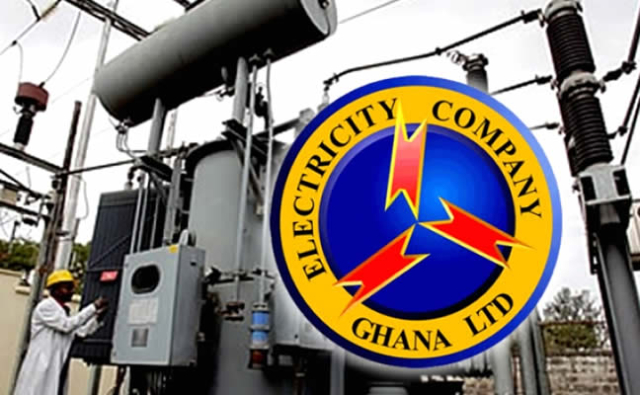
ECG infrastructure investment is emerging as a central pillar in Ghana’s effort to stabilize electricity supply and support economic expansion. As power reliability remains a recurring concern for businesses and households, the Electricity Company of Ghana’s renewed capital spending signals an attempt to strengthen the backbone of the country’s distribution network.
The company has intensified upgrades across bulk supply points, substations, transformers, high-voltage lines, and customer metering systems, components that determine whether electricity reaches homes and factories efficiently.
How ECG infrastructure investment strengthens the distribution chain
ECG infrastructure investment focuses on critical assets within the electricity distribution value chain, where technical losses, overloads, and aging equipment have historically disrupted supply. By upgrading power transformers, reinforcing high-voltage lines, and modernizing substations, ECG aims to reduce system bottlenecks and improve voltage stability.
Electricity distribution is often the weakest link in power systems. Even when generation capacity is adequate, poor infrastructure can result in outages, voltage fluctuations, and equipment damage. Strengthening distribution capacity improves system efficiency and reduces losses that ultimately raise operational costs.
ECG infrastructure investment comes at a time when Ghana’s energy demand continues to rise due to urban expansion, industrial growth, and increasing household electrification. Without network expansion and modernization, demand growth can overwhelm existing infrastructure, leading to forced load shedding or system instability.
By investing ahead of demand growth, ECG is attempting to prevent supply shortfalls rather than reacting after disruptions occur. This proactive strategy is particularly important as Ghana seeks to position itself as an industrial and digital economy hub within West Africa.
ECG infrastructure investment and business stability
ECG infrastructure investment directly affects businesses because reliable power is a fundamental production input. Manufacturing firms, agro-processing plants, cold storage facilities, mining operations, and digital service providers depend on uninterrupted electricity to operate efficiently.
Power disruptions increase production costs through generator fuel expenses, equipment damage, and lost output. Small and medium enterprises, which often lack backup power systems, are particularly vulnerable. By reinforcing substations and reducing network faults, ECG’s investment programme could lower operating risk for businesses.
Improved reliability may also enhance investor confidence. Energy reliability is a key factor considered by both domestic and foreign investors when making location decisions. Persistent power instability can deter capital inflows and undermine competitiveness.
ECG infrastructure investment has tangible implications for households, especially in urban centers where outages disrupt daily life. Frequent power interruptions affect food storage, water pumping systems, internet connectivity, and home-based enterprises.
For lower-income households, unexpected outages can impose indirect costs. Perishable food spoilage, appliance damage, and reliance on alternative lighting sources increase household expenditure. A stronger distribution network reduces these vulnerabilities.
Moreover, improvements in metering systems can enhance billing transparency and revenue collection efficiency, potentially reducing disputes and improving service accountability.
ECG infrastructure investment also provides context for recent power disturbances reported in parts of the Ashanti Region. According to company officials, the outage stemmed from upstream technical challenges rather than distribution-level failures.
This distinction is important. It suggests that while ECG is strengthening its distribution infrastructure, coordination across the broader power supply chain, including transmission and generation, remains critical. Infrastructure resilience must extend beyond a single segment to ensure nationwide stability.
Prompt restoration efforts demonstrate operational responsiveness, but sustained reliability depends on systemic improvements.
The economic logic behind ECG infrastructure investment
ECG infrastructure investment reflects a broader economic strategy. Reliable electricity underpins national productivity, supports digital transformation, and enhances service delivery in healthcare and education.
From a macroeconomic perspective, reducing technical losses and system inefficiencies improves cost recovery and financial sustainability within the energy sector. This can help reduce fiscal pressures associated with power sector liabilities.
However, infrastructure upgrades require substantial capital expenditure. The long-term benefits will depend on disciplined project execution, maintenance culture, and transparent financial management to avoid cost overruns or delayed returns.
ECG infrastructure investment will ultimately be judged by measurable improvements in outage frequency, voltage stability, and customer satisfaction. Sustained maintenance, data-driven monitoring, and coordinated sector reforms will determine whether the current push delivers lasting transformation.
For businesses, stronger infrastructure could reduce energy-related risks and support expansion. For households, it could mean fewer disruptions and improved quality of life. For the broader economy, reliable electricity is not merely a utility, it is a competitiveness asset.
If effectively implemented, this phase of ECG infrastructure investment may mark a turning point in Ghana’s energy reliability narrative.