

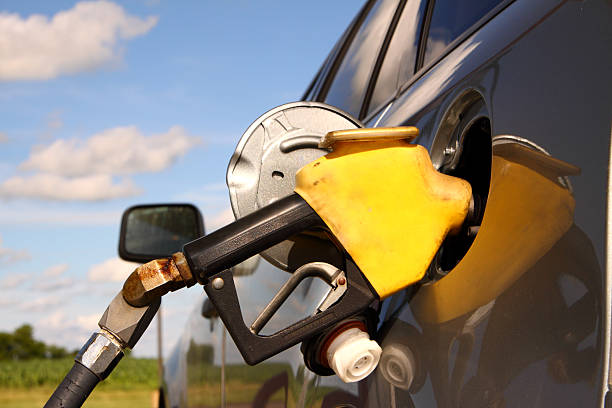
The latest round of fuel price increases in Ghana is beginning to show up at petrol stations across the country, signalling renewed cost pressures for households and businesses at a time when inflation has only recently begun to ease. While the upward adjustments appear marginal on the surface, their broader economic implications extend well beyond the pumps.
From February 1, 2026, several Oil Marketing Companies (OMCs) started revising pump prices, with market leader Star Oil increasing petrol prices to GH¢9.99 per litre from GH¢9.97, while keeping diesel unchanged at GH¢10.95. Other major players, including Zen Petroleum and Goil, have followed suit with similar upward revisions. Though competition has kept price movements relatively modest, the renewed fuel price increases in Ghana reflect persistent structural vulnerabilities in the energy pricing framework.
Why Fuel Price Increases in Ghana Are Returning
Industry players point to two main drivers behind the current adjustments: a marginal depreciation of the Ghanaian cedi and rising international crude oil prices. According to the Chamber of Oil Marketing Companies (COMAC), global crude prices jumped from around US$64 per barrel to nearly US$70 within the review period, pushing up import costs.
At the same time, the cedi weakened slightly from GH¢10.90 to GH¢10.98 against the US dollar in January, a depreciation of about 0.77 per cent. While this movement may appear small, fuel pricing in Ghana remains highly sensitive to exchange rate fluctuations because petroleum products are priced in dollars. As a result, even modest currency shifts quickly translate into higher pump prices, reinforcing the cycle of fuel price increases in Ghana.
For households, the immediate effect of fuel price increases Ghana is not just the cost of filling up vehicles but the knock-on impact on everyday expenses. Transport fares, food distribution costs, and informal logistics services are all closely tied to fuel prices. Even marginal adjustments at the pump can trigger fare reviews, particularly in urban centres where commercial transport dominates daily commuting.
Lower-income households are especially exposed. Many already spend a significant share of their income on transport and basic goods, leaving little buffer for additional cost pressures. While diesel prices have remained stable at some outlets, increases by other OMCs suggest that further adjustments could still filter through, gradually eroding purchasing power
Business Costs and Competitive Pressures
For businesses, especially those in transport, logistics, manufacturing, and retail, fuel price increases in Ghana complicate cost planning and pricing strategies. Firms that rely heavily on road transport face higher operating expenses, which may be passed on to consumers or absorbed at the expense of margins.
However, this pricing window differs from previous cycles. Intense competition among OMCs has kept prices clustered close to the official price floor, limiting sharp spikes. This competitive restraint offers some short-term relief for businesses, but it does not eliminate underlying exposure to future shocks, particularly if global oil prices remain elevated or currency pressures intensify.
Small and medium-sized enterprises (SMEs), which often lack pricing power, are especially vulnerable. Many may delay expansion plans or scale back operations to manage rising costs linked indirectly to fuel price increases in Ghana.
The renewed fuel price increases in Ghana present a delicate challenge for policymakers. While the Bank of Ghana has reassured industry players of its commitment to price stability, fuel pricing remains largely influenced by external factors beyond direct monetary control.
Recent improvements in inflation and interest rates had raised hopes that cost pressures were easing across the economy. However, fuel remains a key inflation transmission channel. Sustained increases, even incremental ones, could complicate the disinflation trend by feeding into transport fares and food prices.
What to Watch Going Forward
Looking ahead, the trajectory of fuel price increases Ghana will depend on three critical variables: global crude oil prices, exchange rate stability, and competitive behaviour among OMCs. If crude prices remain near US$70 per barrel and currency pressures persist, further price adjustments are likely in subsequent pricing windows.
For now, competition has acted as a shock absorber, preventing sharp jumps. But this buffer may weaken if external pressures intensify. Households and businesses should therefore prepare for continued volatility rather than assume the current stability will hold.
The latest fuel price increases in Ghana may appear modest, but their broader economic impact is significant. They underscore the economy’s continued exposure to global energy markets and currency movements, while highlighting the fragile balance between price stability and cost-of-living pressures.
For households, the risk lies in cumulative effects on transport and food costs. For businesses, the challenge is managing thin margins amid uncertain input prices. Until structural vulnerabilities are addressed, fuel pricing will remain a recurring pressure point in Ghana’s economic landscape.
BoG lending rate target of 10% signals a strategic shift toward cheaper credit