

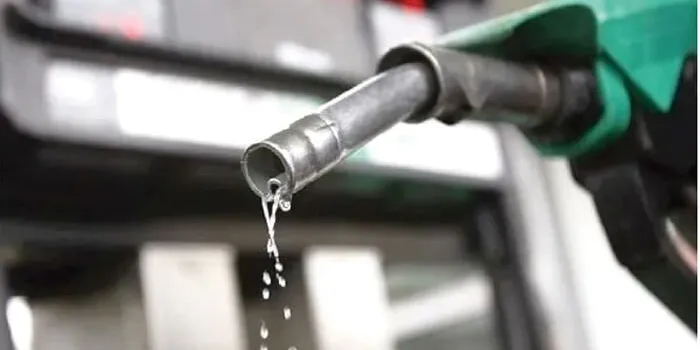
The recent Malawi fuel price hike has sent shockwaves across households and businesses in the country, with petrol and diesel costs rising by more than 40%. The Malawi Energy Regulatory Authority (Mera) announced that diesel prices increased by 41.3% and petrol by 41.9%, marking the second major adjustment in just four months. While the government frames the increase as a necessary step toward sustainable fuel supply and energy sector stability, consumers are grappling with the immediate effects on transport, basic goods, and overall household budgets.
Why the Malawi fuel price hike matters for households
For households, the Malawi fuel price hike is far from a minor adjustment. Fuel is a key input in transportation, agriculture, and the delivery of goods and services. Increases in petrol and diesel prices ripple through the economy, leading to higher bus and taxi fares, elevated food prices due to transport costs, and higher utility bills in areas dependent on diesel-powered electricity generation. Many households, already navigating rising living costs, now face compounded financial pressure. Civil society organizations, including the Human Rights Defenders Coalition, have warned that the hike could intensify poverty and reduce access to essential goods and services.
Impact of Malawi fuel price hike on businesses and the wider economy
Businesses, particularly small and medium enterprises, are expected to feel immediate consequences of the Malawi fuel price hike. Increased transportation and logistics costs will raise operating expenses for manufacturers, wholesalers, and retailers, potentially leading to higher consumer prices. Industries reliant on diesel for machinery or power generation may face reduced margins or production slowdowns. Additionally, the rising cost of fuel may discourage investment and slow economic recovery, complicating efforts by President Peter Mutharika’s administration to stabilize and grow the Malawian economy.
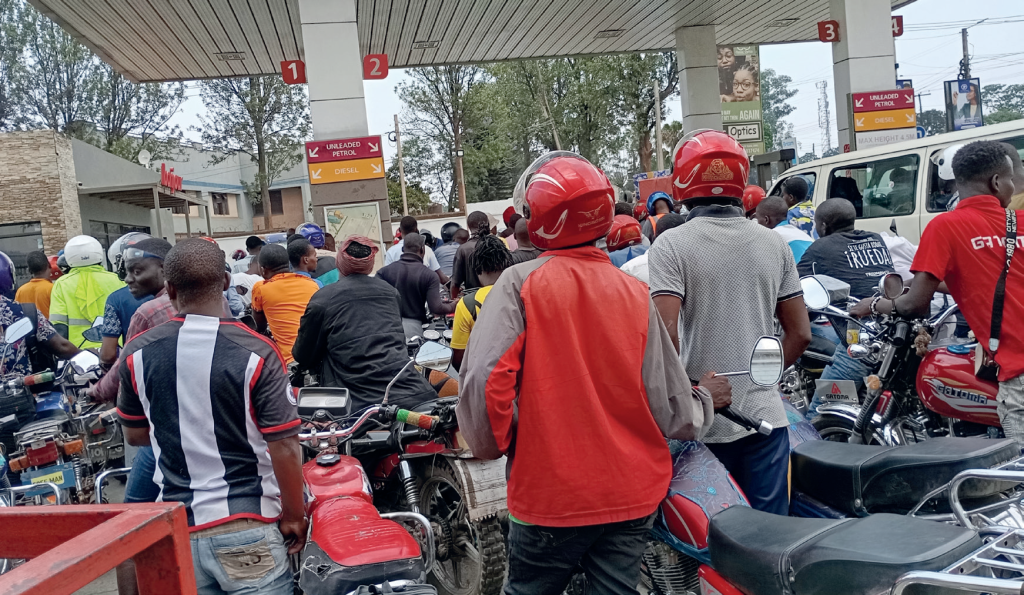
The government has argued that the hike is necessary to cover operational costs, support road maintenance, and ensure electricity supply, as well as to improve fiscal balance ahead of potential IMF assistance. While these objectives aim at long-term economic sustainability, the immediate effect is likely to be a squeeze on both household incomes and business liquidity.
Fuel market reforms and policy rationale
Mera emphasised that the Malawi fuel price hike results from a transition to an automatic pricing mechanism. Under this system, fuel prices are adjusted in line with shipping, import, and operational costs, replacing the previous fixed-price regime deemed unsustainable. The policy shift aligns Malawi with global best practices in fuel market liberalisation and aims to prevent supply shortages, maintain electricity services, and generate revenue for infrastructure projects.
However, the suddenness of the 40% increase has drawn criticism. Economists caution that while automatic pricing ensures market efficiency, large spikes in prices without gradual phasing can shock consumers and businesses alike, potentially dampening consumption and investment in the short term.
Malawi is not alone in facing fuel price volatility. Neighboring countries with liberalized fuel markets have experienced similar effects, with transport and goods prices responding quickly to adjustments. Lessons from these markets suggest that effective communication, gradual price adjustments, and targeted social support programs can mitigate the worst impacts of fuel price hikes on vulnerable populations.
The current Malawi fuel price hike could also serve as a litmus test for the government’s broader economic management strategy. Maintaining public confidence while implementing necessary but unpopular reforms will be critical to avoiding social unrest and ensuring long-term policy success.
While the Malawi fuel price hike represents a technically necessary step toward market sustainability and energy sector reform, its immediate impact underscores the delicate balance policymakers must maintain between fiscal responsibility and household affordability. Consumers and businesses alike are adjusting to higher costs, with potential knock-on effects on inflation, purchasing power, and economic growth. Careful monitoring, transparent communication, and targeted relief measures will be essential in ensuring that the benefits of a deregulated fuel market do not come at a high social cost.