

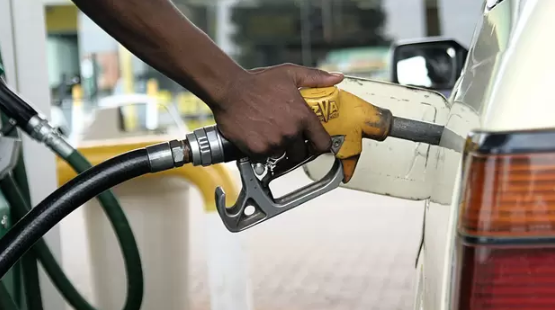
The recent drop in fuel prices in Ghana has reignited debate about how the country’s deregulated petroleum pricing system works and what it means for households and businesses navigating persistently high living and operating costs. While many consumers viewed the sudden reductions as unexpected relief, industry insiders insist the outcome was both anticipated and structurally driven by market forces rather than government intervention.
Fuel Prices in Ghana and the Logic of Deregulation
Under Ghana’s deregulated petroleum pricing regime, fuel prices in Ghana are reviewed every two weeks based on a combination of global oil prices, exchange rate movements, taxes, and competition among oil marketing companies. This system was designed to eliminate price controls, encourage efficiency, and allow competition to determine pump prices.
According to the Chamber of Oil Marketing Companies (COMAC), the current reductions were forecast weeks in advance. Regular pricing outlooks issued by the Chamber had already signalled downward pressure on fuel prices, reflecting easing conditions in international markets and relative currency stability. From an industry standpoint, what consumers are now experiencing is not a shock but the delayed effect of trends already embedded in the pricing formula.
This explanation highlights a key reality of deregulation: price movements may appear sudden at the pumps, but they are often the cumulative result of earlier market shifts.
Price Competition and Fuel Prices in Ghana
The latest adjustments to fuel prices in Ghana have been amplified by intense competition among oil marketing companies, particularly the aggressive price cuts introduced by major players such as GOIL and Star Oil. Their actions have triggered what many observers describe as a price war, forcing competitors to respond quickly or risk losing market share.
In a deregulated environment, such rivalry is both inevitable and influential. Large firms with stronger balance sheets and supply advantages can absorb thinner margins temporarily, using lower prices to attract customers. Smaller firms, however, may face pressure to match these cuts even when it strains their finances.
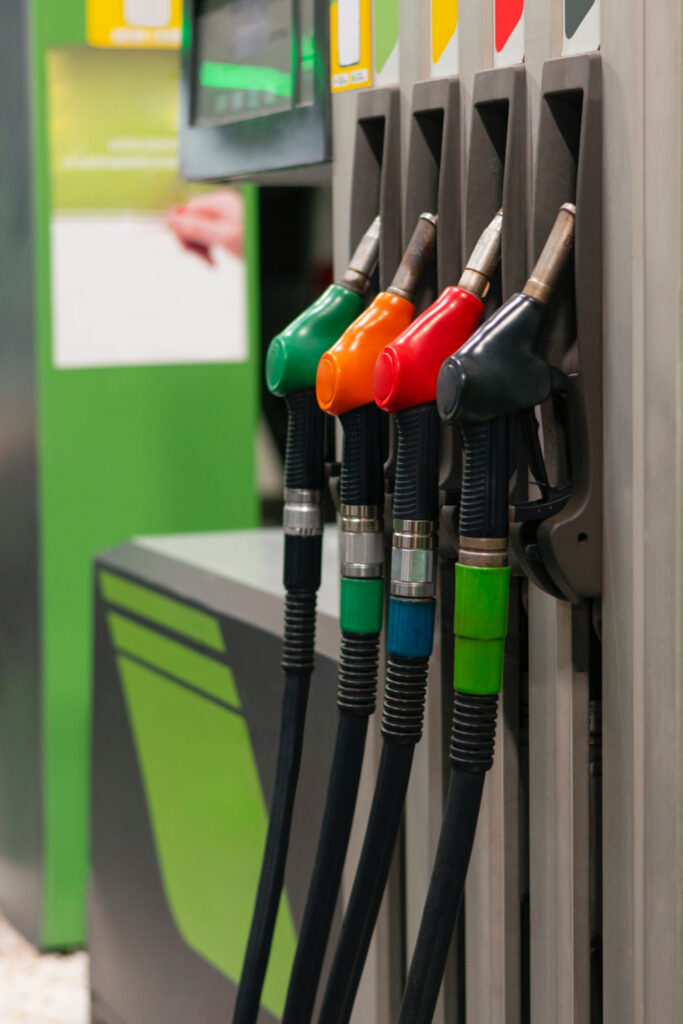
While consumers benefit in the short term, sustained price wars can reshape the downstream petroleum sector, potentially leading to consolidation if weaker players are pushed out.
For households, falling fuel prices in Ghana offer immediate, visible relief. Fuel costs directly influence transport fares, food prices, and household budgets, especially in urban areas where commuting and logistics expenses are significant.
Over the past year, frequent fuel price increases contributed to higher living costs, eroding purchasing power and intensifying inflationary pressures. The recent reductions therefore provide breathing space, even if temporary, for families struggling with rising expenses.
However, the benefits may not be evenly distributed. In deregulated markets, price cuts often appear first in competitive urban centres before filtering into rural or less-served areas. As a result, some households may experience delayed or limited relief.
Fuel Prices in Ghana and Business Costs
For businesses, particularly transport operators, manufacturers, and service providers, fuel prices in Ghana are a major cost driver. Lower pump prices reduce operating expenses, improve cash flow, and can stabilize pricing across supply chains.
Transport companies, for example, may avoid fare hikes or absorb previous increases, while logistics firms can adjust delivery costs. For small businesses, even marginal fuel savings can improve profitability or allow reinvestment.
That said, uncertainty remains a challenge. Deregulation means fuel prices can rise just as quickly as they fall, making long-term planning difficult. Businesses that rely heavily on fuel must therefore balance short-term gains against the risk of future volatility.
COMAC’s insistence that its members adhered to forecasted reductions reflects an effort to reinforce market discipline in shaping fuel prices in Ghana. By publishing pricing outlooks and encouraging compliance, the Chamber aims to promote transparency and predictability within a competitive framework.
This role is particularly important during periods of public scrutiny, when sudden price movements can spark speculation about profiteering or collusion. Industry-led communication helps explain pricing dynamics and manage expectations, even if it does not eliminate public frustration.
The sustainability of current fuel prices in Ghana depends on external and domestic factors. Global oil markets remain volatile, and exchange rate pressures can quickly reverse gains. Additionally, tax adjustments or geopolitical shocks could reintroduce upward pressure.
The current episode, however, underscores the core principle of deregulation: prices respond to market signals, not directives. When conditions ease and competition intensifies, consumers benefit. When conditions worsen, prices rise just as freely.
In the short term, lower fuel prices in Ghana ease household stress and support business activity. In the long term, they reinforce the need for consumers and businesses to understand the mechanics of deregulation and plan for cyclical volatility rather than permanent price relief.
For policymakers, the episode highlights the importance of complementary measures, such as transport efficiency, alternative energy investment, and social protection, to cushion citizens from sharp price swings.
Ghana seeks return of Kwame Nkrumah’s former Guinea residence for heritage preservation