

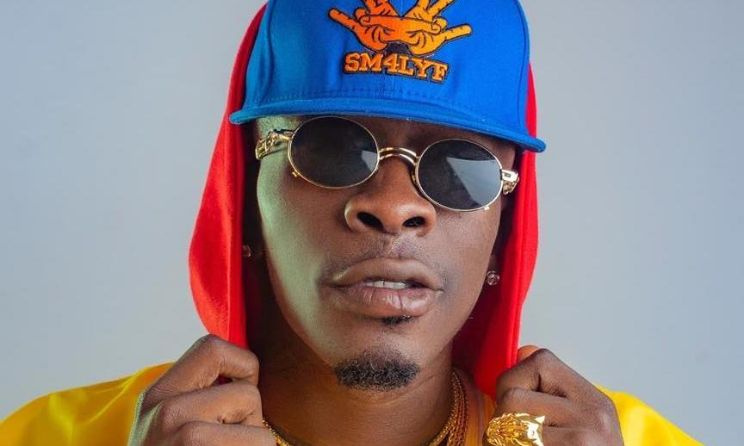
Ghana’s entertainment industry has been thrown into serious legal focus following reports that dancehall superstar Shatta Wale has filed a GH¢100 million defamation lawsuit against veteran reggae musician and radio broadcaster Blakk Rasta. The case has quickly become one of the most talked-about issues in the creative space, not only because of the personalities involved, but also because of the gravity of the allegations and the amount being claimed.
Both men are influential in their own right. Shatta Wale is one of Ghana’s most commercially successful musicians, known for his global reach and fiercely loyal fan base. Blakk Rasta, on the other hand, is widely respected for his outspoken views on social issues and his long-standing presence in radio broadcasting. This lawsuit marks a rare moment where music, media commentary, and the law collide at such a high level.
What led to the lawsuit and the statements at the center of the case
The lawsuit stems from comments Blakk Rasta allegedly made on his radio programme, Black Pot. During the broadcast, Blakk Rasta reportedly made statements suggesting that Shatta Wale had close associations with individuals who had been arrested by Ghanaian and United States law enforcement agencies in connection with fraud-related activities.
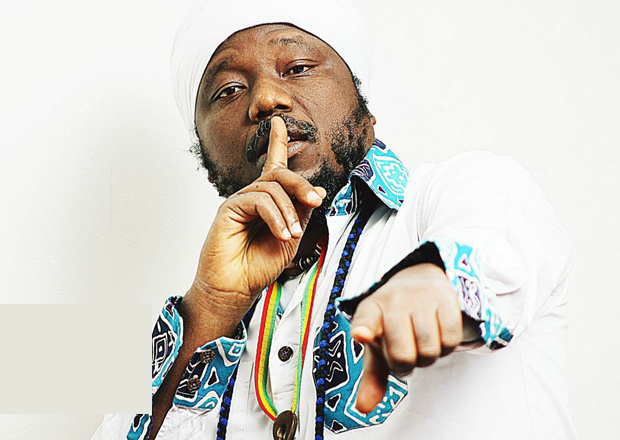
According to reports circulating within the media space, Blakk Rasta implied that Shatta Wale knew or moved closely with individuals linked to high-profile cybercrime and fraud investigations, including figures whose arrests attracted international attention. While Blakk Rasta did not directly accuse Shatta Wale of committing a crime, the manner in which the comments were delivered allegedly created the impression that the musician was connected to criminal activity.
Shatta Wale’s legal team reportedly considers these statements to be false, unsubstantiated, and damaging, especially given the platform on which they were made. Radio remains one of the most influential mediums in Ghana, and remarks aired on such programmes can quickly shape public perception.
The argument from Shatta Wale’s side is that these claims have no factual basis, yet they risk damaging his reputation, affecting endorsement deals, international bookings, and business relationships. Rather than responding through social media or public insults, the musician appears to have chosen the legal route to formally challenge the claims and seek redress.
Past tensions between Shatta Wale and Blakk Rasta
While the lawsuit may seem sudden, the relationship between Shatta Wale and Blakk Rasta has not always been smooth. Over the years, the two have had public disagreements rooted in music criticism and media exposure.
Blakk Rasta has previously stated that he does not frequently play Shatta Wale’s music on his shows, citing personal taste and creative preferences. He once described Shatta Wale’s music as not fitting the standards he promotes on his platforms. Those remarks triggered strong reactions from Shatta Wale and his fan base, with the artist accusing the broadcaster of bias and deliberately sidelining his work.
At the time, the issue remained within the boundaries of industry debate a clash of opinions between an artist and a broadcaster. However, the current situation represents a significant escalation, moving from artistic criticism into allegations that touch on criminal associations, which explains why it has now entered the legal domain.

The case also brings to mind Shatta Wale’s own past involvement in defamation matters. In previous years, he was sued by his former manager over statements made on social media. That case was eventually settled out of court, reinforcing the seriousness of defamation claims when reputations are at stake. This time, however, Shatta Wale is the one seeking legal protection.
Why the case matters and what it could mean for the industry
The GH¢100 million figure attached to the lawsuit has raised eyebrows across the entertainment sector. While some see it as excessive, others argue that it reflects the scale of potential reputational harm faced by a global artist whose brand extends beyond Ghana’s borders.
In defamation cases, damages are often tied not only to emotional distress but also to potential financial losses. For an artist of Shatta Wale’s stature, even unproven insinuations can affect sponsorships, international collaborations, and public trust.
Public reaction to the lawsuit has been sharply divided. Supporters of Shatta Wale believe the action sends a strong message about accountability in media commentary, especially when discussing issues as sensitive as criminal investigations. Others worry that such lawsuits could have a chilling effect on free speech, particularly for broadcasters known for critical analysis.
Regardless of where opinions fall, the case highlights a broader conversation about responsibility, influence, and boundaries in Ghana’s media and entertainment landscape. As the matter moves through the courts, attention will turn to the evidence presented, the interpretation of the statements made, and whether they meet the legal threshold for defamation.
For now, the lawsuit stands as a reminder that words spoken on powerful platforms carry weight and consequences. What was once a media disagreement has evolved into a legal battle that could set an important precedent for how public figures and commentators engage each other in Ghana moving forward.