

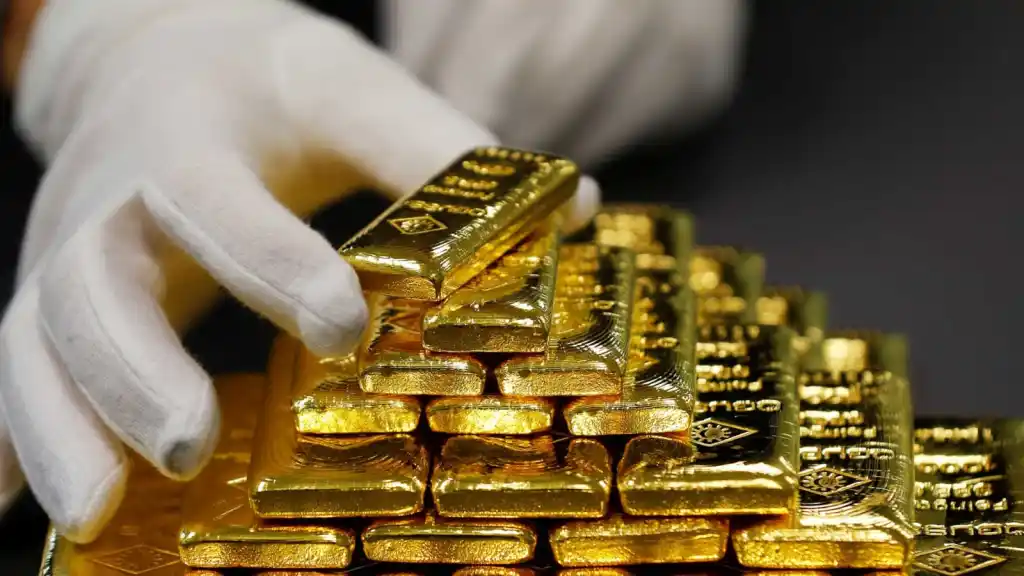
The Domestic Gold Purchasing Programme (DGPP) has emerged as a cornerstone of Ghana’s macroeconomic stability, earning commendation from the International Monetary Fund (IMF) for its role in cushioning the economy during recent crises. Introduced in 2022 under the guidance of former Vice President Dr. Mahamudu Bawumia, the DGPP aimed to shore up Ghana’s gold reserves, provide a buffer against cedi volatility, and help stabilize fuel prices amid the global economic downturn.
The IMF’s recognition of the Domestic Gold Purchasing Programme underscores its strategic significance. By increasing Ghana’s gold reserves from roughly 8 tonnes to 30 tonnes within two years, the programme contributed to an appreciation of the cedi in 2024 and a meaningful decline in fuel costs. This demonstrates that central bank interventions anchored in tangible assets can influence both currency markets and household cost-of-living pressures.
How the Domestic Gold Purchasing Programme Influences Businesses and Households
For businesses, the DGPP provided an indirect but critical stabilizing effect. Exchange rate fluctuations often translate into higher costs for imported inputs, currency-related losses, and disrupted planning. By strengthening the cedi and easing pressure on the foreign exchange market, the Domestic Gold Purchasing Programme helped manufacturers, importers, and service providers plan more reliably, stabilize pricing, and reduce the risk of profit erosion.
Households experienced tangible relief as well. The appreciation of the cedi contributed to lower costs for imported goods, while fuel prices, which heavily influence transportation and utilities, declined. This relief was particularly felt in the transport, logistics, and energy sectors, which are highly sensitive to oil price volatility. The DGPP, therefore, had a ripple effect that enhanced disposable incomes and household consumption.
Strategic Reserves and Macroeconomic Policy Lessons
The IMF’s assessment emphasizes that building strategic reserves through programs like the DGPP is more than a contingency measure; it is a policy tool with far-reaching implications. By ensuring that Ghana had sufficient reserves, the Bank of Ghana was able to execute interventions in currency markets with credibility and reduce panic-driven volatility.
Moreover, the DGPP highlights the importance of integrating fiscal and monetary considerations. By linking gold purchases to foreign exchange management, the Bank of Ghana created a buffer that stabilized international reserves and, by extension, improved investor confidence. For domestic and foreign businesses, such predictability enhances the investment climate, lowers borrowing costs, and encourages longer-term project planning.
While the IMF praised the positive outcomes of the Domestic Gold Purchasing Programme, it also flagged areas of concern, particularly regarding recent transactional losses incurred by the Bank of Ghana and GoldBod. These incidents underscore the necessity for robust risk management frameworks, transparency, and clear reporting mechanisms.
For households, transparency in these programmes is crucial because mismanagement or unexpected losses could eventually translate into fiscal pressures, higher taxes, or inflationary shocks. For businesses, unclear accountability may deter investment and create uncertainty in credit and foreign exchange markets. Therefore, maintaining transparency in execution is as important as the initial design of the DGPP.
Implications for Policy and Economic Resilience
The IMF’s endorsement of the Domestic Gold Purchasing Programme reinforces the need for Ghana to adopt forward-looking, asset-backed economic policies. Programs that strengthen international reserves, anchor exchange rates, and stabilize key commodities can serve as shock absorbers in volatile global markets.
For households, this approach provides a buffer against cost-of-living spikes and protects savings. For businesses, it ensures a stable operational environment and predictable market conditions. The DGPP also illustrates the potential of combining financial innovation with natural resource management to enhance national resilience, a lesson that other emerging economies may consider adopting.
In summary, the Domestic Gold Purchasing Programme has been a pivotal mechanism for Ghana’s economic stabilization. Its ability to bolster reserves, support the cedi, and reduce fuel price pressures demonstrates the real-world impact of asset-based interventions. However, the programme’s long-term success depends on enhanced transparency, improved risk management, and careful monitoring. By sustaining these practices, Ghana can ensure that the DGPP continues to protect households, support businesses, and strengthen macroeconomic resilience in future crises.
GoldBod economic reform could redefine how Ghana converts gold wealth into macroeconomic stability