

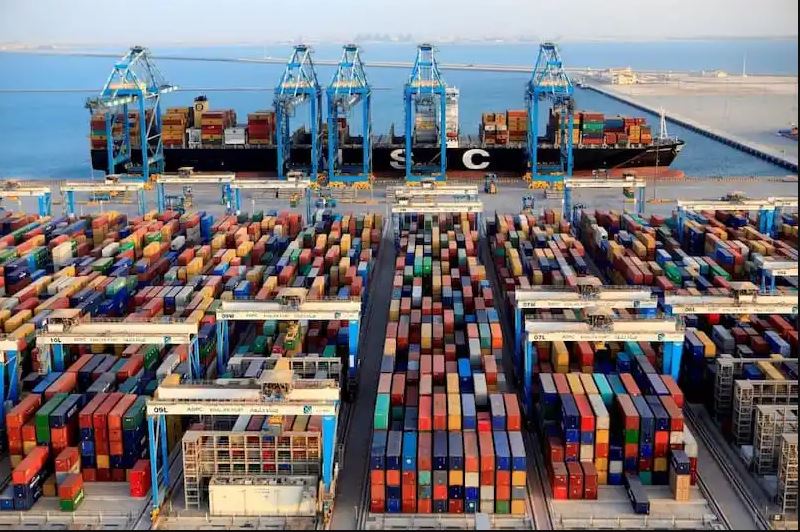
Ghana’s maritime sector is entering a defining moment as Takoradi Port milestone places the country firmly on the map of high-capacity global shipping. The scheduled arrival of the MV CBS Years, the largest bulk carrier ever to berth in West Africa, is more than a ceremonial achievement; it represents a structural shift in Ghana’s export logistics capability and its attractiveness to international shipping lines.
For decades, West African ports have struggled to handle ultra-large bulk vessels, forcing exporters to rely on trans-shipment hubs or smaller vessels that raise costs. By accommodating a 300,000-deadweight-tonne vessel, Takoradi is signalling that Ghana can now compete for large-scale mineral and commodity exports on more efficient terms.
Export scale and revenue implications of the Takoradi Port milestone
At the core of the Takoradi Port milestone is its impact on export volumes and revenue generation. Ghana Manganese Company’s ambition to ship one million tonnes of manganese in 2026 becomes significantly more feasible when larger vessels can load directly from Takoradi.
For the Ghana Ports and Harbours Authority, this development translates into higher throughput, increased port dues, and stronger non-tax revenue mobilisation. Fewer vessel calls are required to move the same cargo volumes, reducing congestion while improving turnaround efficiency. Over time, this enhances port profitability and supports reinvestment into dredging, equipment upgrades, and workforce training.
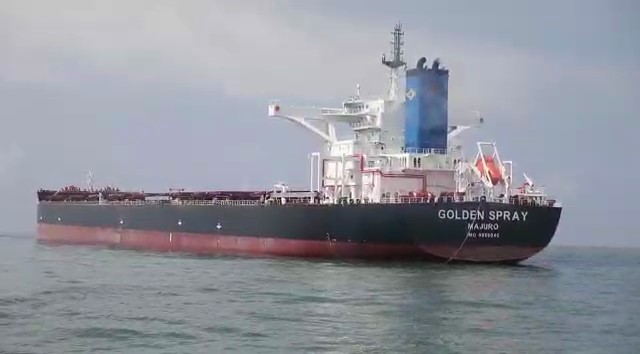
Business competitiveness strengthened by the Takoradi Port milestone
From a business perspective, the Takoradi Port milestone reduces logistics costs across the export value chain. Mining companies benefit from economies of scale, shipping lines gain operational efficiency, and exporters enjoy improved reliability in delivery schedules.
For Ghanaian businesses linked to mining, haulage firms, stevedoring companies, equipment suppliers, and port service providers, the ripple effects are substantial. Higher cargo volumes mean more contracts, longer operating cycles, and greater demand for skilled labour. This strengthens the local maritime ecosystem and encourages private sector investment in logistics and auxiliary services.
Operational readiness behind the Takoradi Port milestone
Crucially, the Takoradi Port milestone did not occur by chance. The extensive preparation undertaken by GPHA and Ghana Manganese Company demonstrates a shift toward professionalised port operations. Advanced simulation training for marine pilots, conducted abroad, reflects a deliberate investment in human capital rather than reliance on foreign operational control.
The introduction of bespoke Standard Operating Procedures, digital risk modelling, and UAV surveillance underscores Ghana’s growing emphasis on safety, predictability, and international best practice. These capabilities matter not only for this vessel but for future engagements with cape-size and ultra-large carriers.
The effect at the household-level
While port developments often appear distant from daily life, the Takoradi Port bulk carrier milestone carries tangible household implications. Increased export efficiency strengthens foreign exchange inflows, supporting currency stability and easing imported inflation pressures. A more stable cedi ultimately affects household purchasing power, fuel prices, and food costs.
Additionally, employment creation, both direct and indirect, provides income opportunities in the Western Region. Skilled and semi-skilled jobs in marine operations, logistics, surveillance, and maintenance generate local economic activity that supports theretail, housing, and service sectors.
Regional positioning and long-term strategy
Strategically, the Takoradi Port milestone enhances Ghana’s standing as a maritime gateway in West Africa. Competing ports in the sub-region are racing to modernise, but the ability to safely berth ultra-large vessels offers Ghana a distinct advantage, particularly for bulk commodities.
This positioning aligns with broader national objectives to diversify exports, deepen value chains, and reduce dependency on external logistics hubs. Over time, such capacity strengthens Ghana’s negotiating power with international shipping lines and global commodity buyers.
Risks and the need for policy consistency
Despite the optimism surrounding the Takoradi Port milestone, sustaining its benefits will require policy discipline. Port efficiency gains must not be eroded by bureaucratic delays, inconsistent tariffs, or underinvestment in maintenance. Environmental safeguards must also remain robust to prevent marine degradation as vessel sizes increase.
Consistency in infrastructure funding and regulatory clarity will determine whether this achievement becomes a recurring feature or a symbolic one-off.
A turning point for Ghana’s maritime economy
Ultimately, the Takoradi Port milestone represents a turning point in Ghana’s integration into global trade flows. It reflects improved technical capacity, institutional coordination, and export ambition. If leveraged effectively, it can lower costs for businesses, support household incomes, and reinforce Ghana’s role as a regional logistics hub.
The true measure of success will be whether this milestone catalyses sustained investment, operational excellence, and inclusive economic benefits well beyond the ceremonial arrival.