

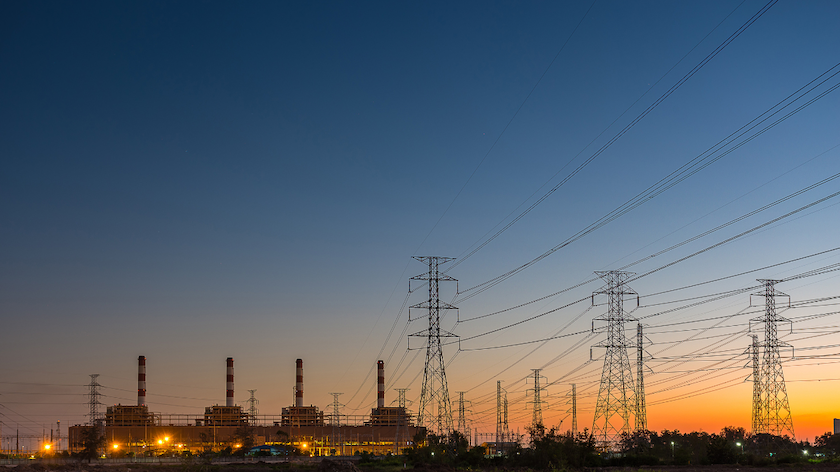
Ghana’s energy debt reset decision to inject $1.47 billion into its troubled energy sector marks one of the most consequential fiscal interventions since the country’s recent debt crisis, with implications that stretch far beyond electricity generation. The move, undertaken by the administration of President John Dramani Mahama, is designed not only to stabilise power supply but also to rebuild trust with international partners, particularly the World Bank, at a time when Ghana is seeking to restore its standing in global financial markets.
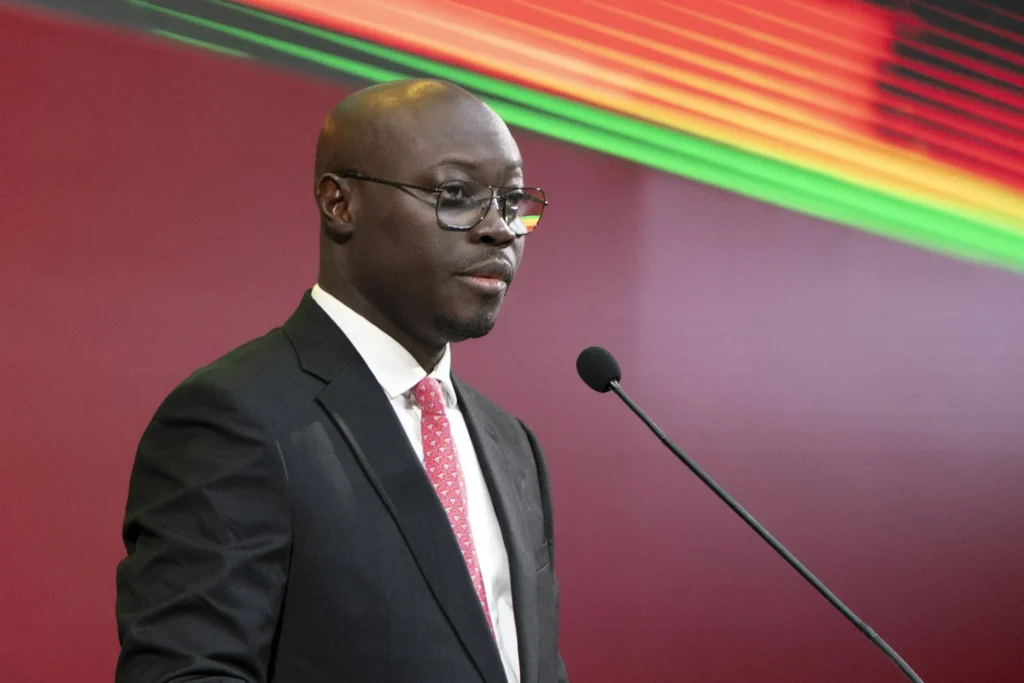
At the centre of the strategy is Ghana’s energy debt reset, a coordinated effort to clear arrears that had eroded investor confidence and exhausted key risk guarantees. Finance Minister Dr Cassiel Ato Forson has described the energy sector as one of the most serious threats to macroeconomic stability, noting that the World Bank’s Partial Risk Guarantee (PRG), a critical safety net for private investors, had been fully depleted by early 2025. Restoring that guarantee is widely viewed as a prerequisite for unlocking billions of dollars in stalled private investment.
Why Ghana’s energy debt reset matters
The significance of Ghana’s energy debt reset lies in its role as a credibility signal. By prioritising debt clearance in the energy sector, the government is attempting to demonstrate fiscal discipline after years of payment delays, governance weaknesses, and mounting arrears. The restoration of the PRG, valued at about $500 million, is expected to revive confidence among international energy investors, including those linked to the $8 billion Sankofa Gas Project, which has been central to Ghana’s power generation mix.
World Bank officials have framed the reset as a milestone rather than an endpoint. While welcoming the debt clearance, they have emphasised that continued support depends on structural reforms, fiscal consolidation, and improved efficiency in state-owned energy entities. In this sense, the reset represents a conditional reset of relations rather than a blank cheque.
Balancing debt clearance with fiscal trade-offs
A substantial portion of the funds was used to settle legacy obligations, including repayments to the World Bank and outstanding gas invoices owed to international partners. These payments have brought Ghana up to date on its contractual commitments, addressing what the Ministry of Finance has acknowledged as a serious governance lapse.
However, the scale of Ghana’s energy debt reset raises legitimate questions about opportunity costs. Channelling roughly GH₵15.7 billion into debt servicing in a single year inevitably constrains fiscal space elsewhere. Sectors such as healthcare, education, and social protection may face tighter budgets, at least in the short term, as resources are redirected toward stabilising the energy sector.
Political debate and accountability
The opposition New Patriotic Party has challenged the government’s framing of the intervention, arguing that debt repayment is a routine obligation rather than a transformational achievement. Opposition figures have warned that while restoring credibility is important, it must not come at the expense of higher taxes, additional borrowing, or renewed pressure on the cedi. This political debate underscores the sensitivity of large-scale fiscal decisions in an economy still recovering from inflation shocks and currency volatility.
Impact of Ghana’s energy debt reset on businesses and households
For businesses, particularly those dependent on reliable electricity, the real test of Ghana’s energy debt reset will be whether it translates into fewer power disruptions and more predictable tariffs. Energy arrears have historically contributed to intermittent outages, forcing firms to rely on costly generators. If debt clearance leads to a more stable power supply, operating costs could fall, improving competitiveness for manufacturers, cold-store operators, and service providers.
Households, meanwhile, are watching closely for signs that the intervention will ease pressure on electricity bills and reduce the risk of renewed “dumsor.” For many families, stable power supply is not an abstract macroeconomic issue but a daily necessity affecting livelihoods, education, and quality of life. Without tangible improvements at the consumer level, public support for the policy could weaken.
Financial system implications
Beyond power supply, the reset has important implications for Ghana’s financial system. Clearing arrears owed to Independent Power Producers has reduced the risk of loan defaults, easing pressure on domestic banks that had significant exposure to the energy sector. The Bank of Ghana has previously identified energy-sector debts as a major contributor to non-performing loans, making their resolution critical to broader financial stability.
Analysts caution, however, that the success of Ghana’s energy debt reset depends on preventing a relapse. Mechanisms such as the Cash Waterfall system, which governs revenue distribution in the electricity sector, must remain insulated from political interference to avoid a repeat of the debt accumulation cycle.
A regional signal
Internationally, the reset is being closely watched as a potential blueprint for other resource-dependent African economies grappling with energy-sector liabilities. If Ghana can maintain discipline and embed reforms, the intervention could strengthen its credit profile and accelerate its return to international bond markets.
Ultimately, the energy debt reset is a high-stakes gamble. It offers Ghana a chance to convert fiscal sacrifice into long-term stability, but only if governance reforms endure. For businesses and households alike, its success will be measured not in balance sheets or guarantees, but in reliable power, manageable costs, and renewed economic confidence.