

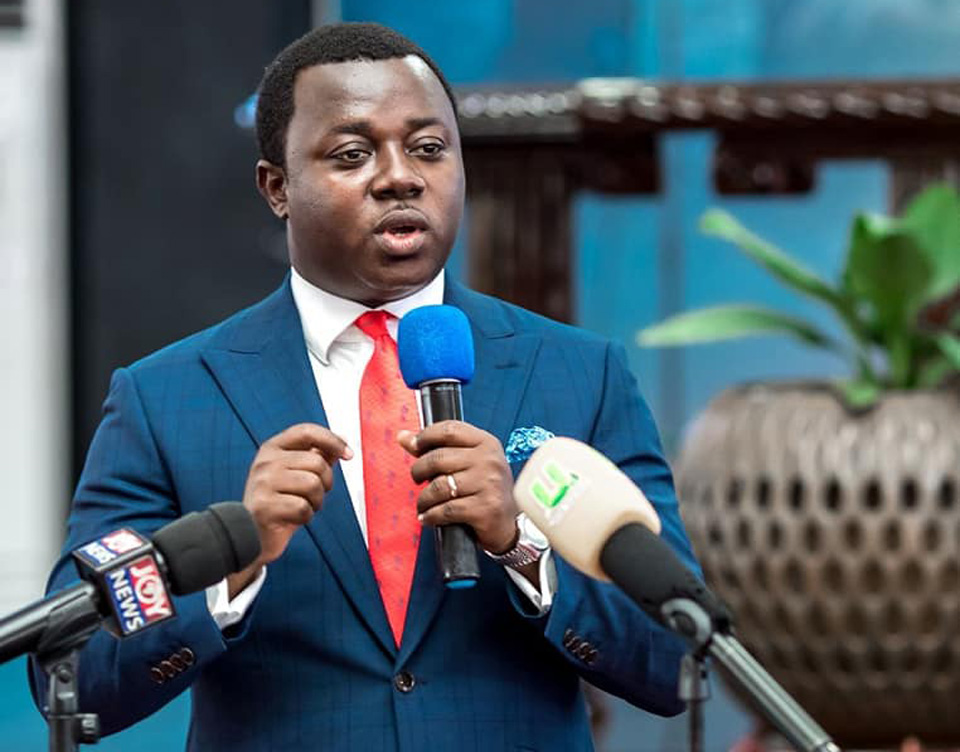
Ghana is witnessing an escalating national debate over education content following controversy surrounding gender identity definitions included in a Senior High School (SHS) teacher’s manual. The issue has ignited political, cultural, and societal tensions, placing education authorities under intense public scrutiny. At the center of the debate is Rev. John Ntim Fordjour, Member of Parliament for Assin South, who has strongly insisted that the inclusion of gender-related material in the manual was intentional and not an error, contradicting official explanations that the content resulted from oversight.
The controversy began after public attention was drawn to definitions contained in the Year Two Physical Education and Health (Elective) Teacher Manual, which appeared to address sexuality, sexual orientation, and gender identity in ways many critics argued were inconsistent with Ghanaian cultural values. Following widespread backlash, the National Council for Curriculum and Assessment (NaCCA) withdrew the manual and issued a revised version, acknowledging that some of the language did not align with national norms.
However, Rev. Ntim Fordjour has rejected claims that the issue was adequately resolved. Speaking publicly on the matter, he argued that the revised content still retained problematic definitions related to sexuality and identity. According to him, only superficial changes were made, while the core ideological framing remained largely intact. He maintains that such material could not have entered an official teacher’s manual accidentally.
“It was not an error,” Fordjour insisted. “It was a deliberate attempt to introduce content that does not reflect the values of the Ghanaian people.” He argued that the manual passed through multiple layers of review, making it implausible that the inclusion of controversial definitions occurred without intent or approval.
Political and Cultural Implications
The issue has quickly evolved into a politically charged national conversation, with implications extending far beyond curriculum design. Rev. Fordjour and other critics have framed the controversy as part of a broader ideological struggle, accusing the ruling National Democratic Congress (NDC) administration of attempting to introduce values they believe are foreign to Ghanaian society.
Fordjour has repeatedly claimed that the presence of gender identity content in the manual reflects a covert attempt to normalize LGBTQ-related concepts within the education system. These assertions have resonated strongly with conservative groups, religious leaders, and sections of the public who view education as a critical space for preserving cultural identity.
He further argued that if the issue were genuinely accidental, authorities would have conducted a comprehensive audit of the entire manual rather than issuing what he describes as partial revisions after public outrage. According to him, the situation reflects deeper institutional failures within curriculum oversight processes.
NaCCA’s Response and Official Position
In response to mounting criticism, NaCCA and the Ministry of Education have consistently emphasized that Ghana’s official SHS curriculum contains no LGBTQ-related content. They clarified that the controversial material appeared only in a teacher reference manual, which they described as a supplementary document rather than a mandatory instructional guide.
NaCCA has stated that the withdrawn manual’s definition of gender identity did not align with Ghanaian cultural values and that corrective steps were taken to address the issue. The Council has also reiterated that the Government of Ghana has no intention of promoting or endorsing LGBTQ-related material within the educational system at any level.
As part of its response, NaCCA acknowledged shortcomings in the review process and issued a public apology, promising to strengthen content validation mechanisms going forward. The Council also assured parents, teachers, and stakeholders that future teaching materials would undergo more rigorous scrutiny to ensure alignment with national values.
Calls for Accountability and Reform
Despite these assurances, Rev. Fordjour has called for stronger accountability measures, including the dismissal of senior officials within NaCCA. He accused leadership at the Council of negligence and failing to uphold the trust placed in them by the Ghanaian public.
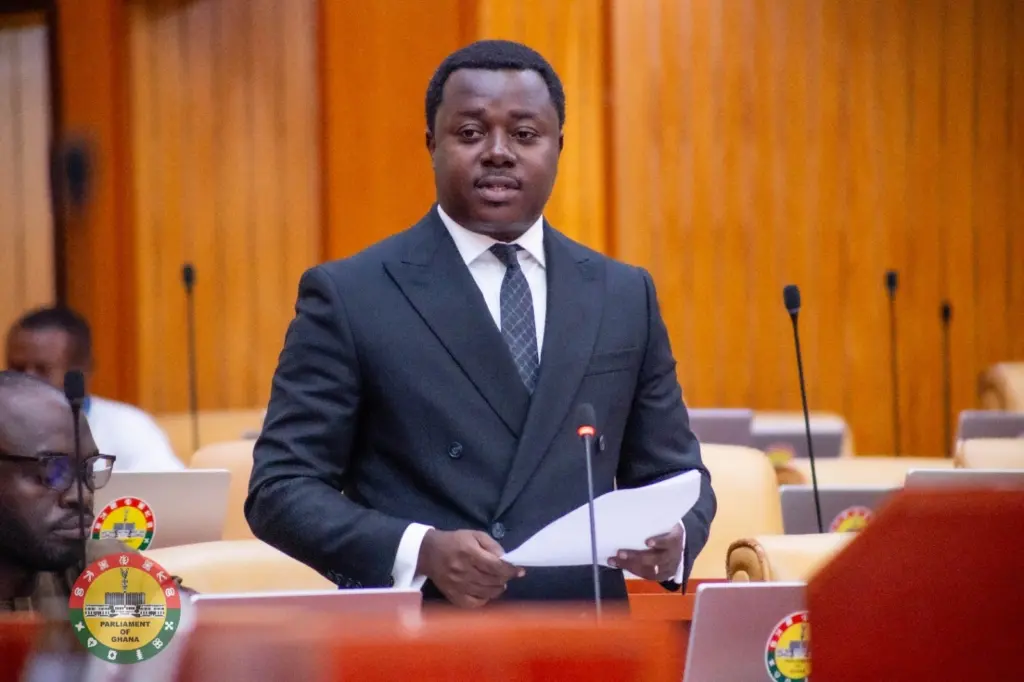
Beyond political figures, education experts, academics, and civil society organizations have also weighed in. Many have called for broader reforms in curriculum development, emphasizing the need for transparency, stakeholder engagement, and culturally sensitive review processes. Analysts argue that the controversy highlights gaps in communication between education authorities and the public, as well as weaknesses in quality assurance systems.
Some education professionals have urged authorities to move beyond damage control and conduct a full-scale review of all teaching and learning materials currently in circulation. They argue that such a step is necessary to restore public confidence and prevent similar controversies in the future.
A National Conversation on Values and Education
The debate over gender identity content in SHS teacher manuals has evolved into a wider national conversation about the intersection of education, culture, governance, and public trust. While education systems worldwide continue to adapt to changing global standards, many Ghanaians are demanding clarity on how national values are protected within the curriculum.
For parents and guardians, the controversy has raised concerns about what children are being exposed to in classrooms. For policymakers, it has underscored the importance of proactive engagement and clear communication when handling sensitive issues. And for education authorities, it has exposed the need for stronger institutional safeguards.
As the debate continues, the actions taken by NaCCA and the Ministry of Education will be closely watched. Restoring confidence will likely require not only revisions to documents but also a commitment to openness, accountability, and cultural sensitivity.
Ultimately, the controversy serves as a reminder that education policy does not exist in isolation. It reflects societal values, political realities, and public expectations. How Ghana navigates this moment may shape the future of curriculum development and public trust in education governance for years to come.