

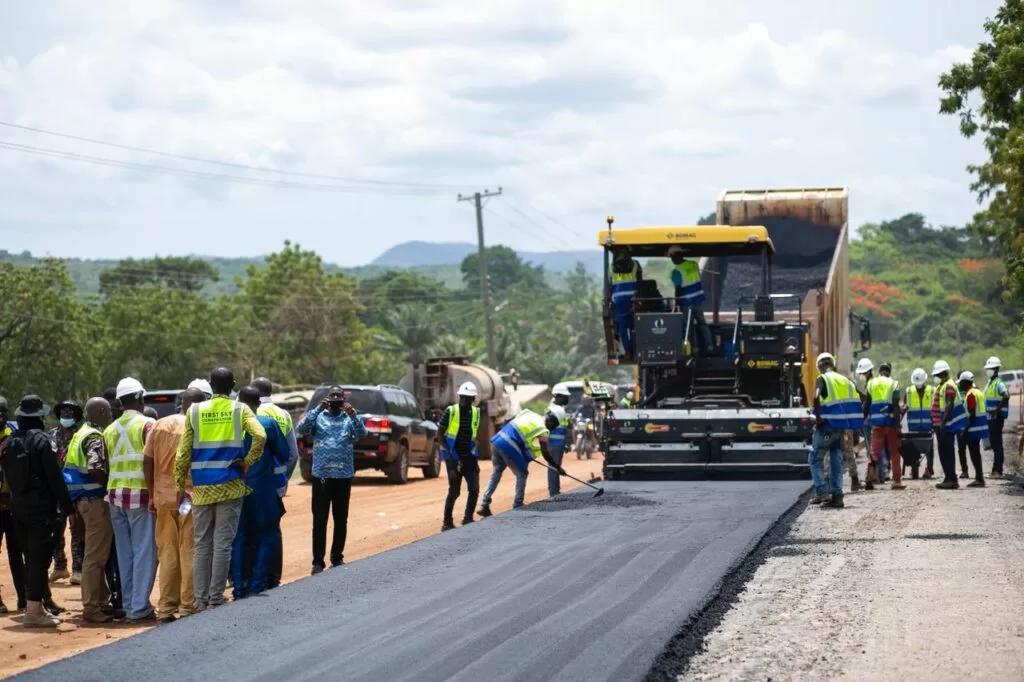
Ghana is preparing to raise GH¢10 billion through a landmark domestic bond issuance aimed at financing roads and interchanges, a move that highlights the government’s evolving strategy to rebuild the economy while restoring confidence in the local debt market. Coming after years of fiscal stress and restricted access to international capital, the plan underscores a deliberate shift toward mobilising domestic savings to support development without deepening debt vulnerabilities.
The proposed GH¢10bn domestic infrastructure bond is expected to be issued in two tranches over the course of the year, each designed with longer tenors to attract pension funds, insurance firms, and other institutional investors seeking predictable returns. By tapping local investors rather than foreign markets, the government is signalling confidence in improving macroeconomic conditions and in the ability of domestic capital markets to finance long-term projects.
Why the GH¢10bn domestic infrastructure bond matters
At its core, the bond represents more than a financing exercise. Road infrastructure remains one of Ghana’s most critical development gaps, with poor transport networks adding to logistics costs, slowing trade, and limiting regional integration. Addressing these constraints is central to sustaining growth after a period marked by high inflation, currency instability, and declining investment.
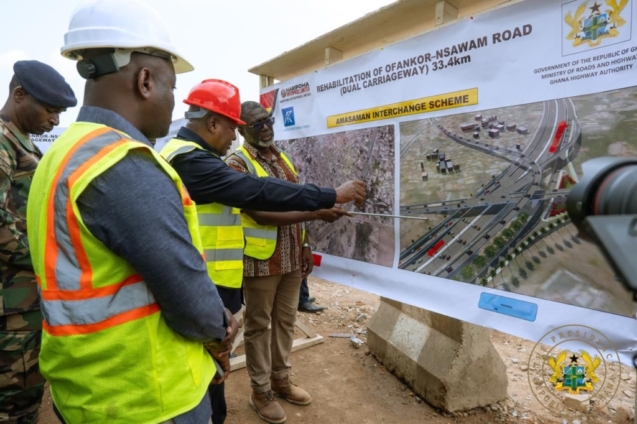
Authorities say projects funded under the bond are expected to be largely self-financing through electronic road tolls. This design is intended to ring-fence revenues and prevent additional strain on the national budget. If effectively implemented, the GH¢10bn domestic infrastructure bond could demonstrate how infrastructure expansion can be aligned with fiscal discipline, an issue closely watched by investors and development partners.
Linking infrastructure funding to economic recovery
The issuance aligns with President John Mahama’s “Big Push” initiative, a flagship programme aimed at mobilising substantial resources for priority development projects. Capital spending allocations in the 2026 budget have already been increased significantly, reflecting the administration’s belief that infrastructure investment is necessary to lock in recent macroeconomic gains.
For financial markets, the GH¢10bn domestic infrastructure bond will serve as a key test of sentiment. Ghana is only gradually regaining credibility after its 2022 debt default, which shut the country out of international capital markets. Over the past year, yields on long-dated cedi-denominated bonds have fallen sharply, suggesting renewed investor confidence. A successful bond sale would reinforce the view that domestic markets can shoulder a greater share of development financing.
Implications for businesses
For businesses, particularly small and medium-sized enterprises, improved road infrastructure could translate into tangible cost savings. Manufacturers, traders, and agribusiness operators rely heavily on efficient transport networks to move goods across the country. Poor roads increase vehicle maintenance costs, fuel consumption, and delivery times, all of which erode margins.
Better roads can also expand access to new markets, allowing firms to scale operations and compete more effectively. Construction activity linked to the bond-funded projects is likely to stimulate demand for materials, logistics services, and labour, creating short- to medium-term opportunities for local firms.
Effects on households and daily life
Households stand to benefit indirectly from the infrastructure push. Reduced transport costs can help lower the prices of food and consumer goods, easing pressure on household budgets at a time when many families are still recovering from the inflation shock of recent years. Improved road safety and shorter travel times also have social benefits, including better access to schools, healthcare, and employment opportunities.
Risks and safeguards
While the International Monetary Fund has welcomed Ghana’s efforts to deepen its domestic capital market, it has cautioned that infrastructure bonds must be carefully structured. There is a risk that heavy government borrowing could crowd out private sector credit if banks and institutional investors divert too much capital into public debt.
This makes transparency and project selection critical to the credibility of the GH¢10bn domestic infrastructure bond. Analysts argue that clearly identifying high-return projects and maintaining strong governance frameworks will be essential to sustaining investor trust and ensuring that the bond supports, rather than undermines, long-term growth.
A broader policy signal
As Ghana nears the conclusion of its IMF-supported programme, the infrastructure bond represents a broader policy statement about the country’s development path. Rather than relying solely on external borrowing, the government is attempting to anchor recovery in domestic resources, linking fiscal consolidation with productivity-enhancing investment.
Whether the strategy succeeds will depend on execution. If the bond attracts strong demand and funds are deployed efficiently, it could become a model for financing infrastructure in a post-crisis environment. If not, it risks reviving concerns about debt sustainability. Either way, the planned issuance marks a pivotal moment in Ghana’s effort to balance recovery with resilience.
Ghana’s inflation decline to 5.4% signals a critical turning point