

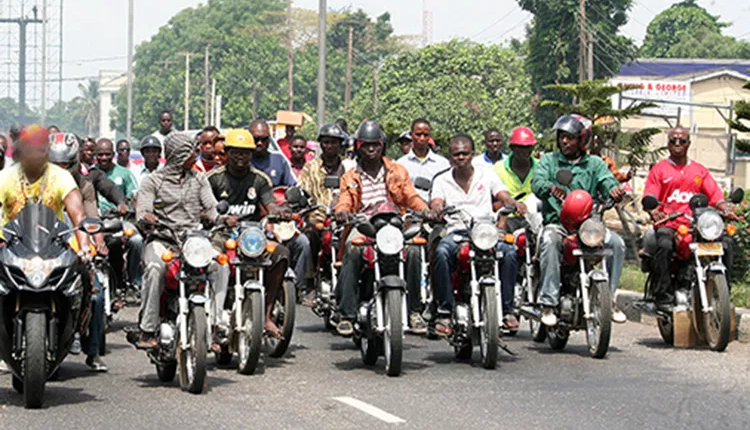
Parliament has given approval to new legislation aimed at regulating commercial motorbike operations across the country. The bill, which was passed following extensive debate and consultation with various stakeholders, seeks to address long standing issues related to safety, licensing, rider training, and urban transport challenges.
Commercial motorbike operations, widely known as commercial riders or motorbike taxis, have grown substantially over the years. They provide convenient and affordable transport especially in urban and peri urban areas. However, concerns have been rising over safety, traffic management, rider conduct, and lack of formal regulation. Parliamentarians said the new law will help streamline operations, protect passengers, and reduce road accidents involving commercial riders.
Under the new framework, commercial riders will be required to obtain valid operating licenses, undergo certified training programs, and adhere to clearly defined safety protocols including mandatory use of protective gear and compliance with traffic rules. The legislation also imposes penalties for non-compliance, reckless riding, and other violations that have contributed to rising accidents and public outcry.
Debate in the legislature highlighted diverse views. Supporters of the bill argued that formal regulation is long overdue and necessary to save lives, improve transport quality, and enhance accountability among riders. They noted that better regulated commercial motorbike services can coexist with other forms of public transport and boost economic participation for riders who depend on this sector for livelihood.
Opposition voices raised concerns about implementation challenges, especially the cost of compliance for riders who may struggle with licensing fees or training costs. Some members suggested the need for transitional support and capacity building to help riders meet the new requirements without being driven out of business.
Parliament agreed that a phased approach would ease the transition, enabling riders to adjust over time with support from relevant agencies. Implementation will involve collaboration between the transport ministry, local government authorities, the police, and rider associations to ensure that the law is enforced fairly and consistently across regions.
Public reaction to the bill has been mixed. Safety advocates and many commuters welcomed the legislation, seeing it as a long overdue step toward reducing road accidents and improving urban transport orderliness. Rider groups, while accepting the need for regulation, have called for dialogue on incentives and support mechanisms as part of the rollout.
As the legislation takes effect, attention will turn to how well it is implemented and whether it achieves the desired outcomes of safer roads, better regulated services, and improved transport experiences for all users.