

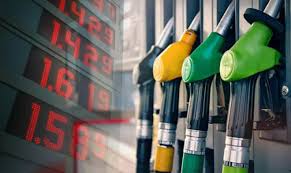
Ghanaian consumers may soon receive welcome relief at fuel pumps as the Chamber of Oil Marketing Companies (COMAC) forecasts a reduction in petroleum prices ahead of the Christmas season. This development, if realised, would offer significant financial reprieve to motorists, transport operators, and households at a time when economic pressures are heightened and travel activities traditionally increase.
According to COMAC’s assessment of global market trends, the cost of finished petroleum products particularly diesel, petrol, and liquefied petroleum gas (LPG) has declined on the international market in recent weeks. These reductions in global wholesale prices provide strong signals that local pump prices could adjust downward during the next pricing window. With the festive period approaching, this potential cut in fuel costs could ease the financial burden on many families navigating end-of-year expenses.
Industry indicators show that diesel prices have recorded some of the most notable declines, making transport-related fuel more affordable if the trend is reflected locally. Petrol has also experienced a decline in price, though at a moderate rate compared to diesel. LPG, which is a critical household energy source for millions of Ghanaians, has similarly seen a slight but meaningful drop in global market value. Altogether, these movements point to a favourable pricing outlook for Ghana’s December review period.
One of the essential factors influencing this optimistic projection is the relative stability of the Ghanaian cedi against major global currencies. Because Ghana imports the majority of its refined petroleum products, exchange rate stability is central to determining the final retail price of fuel. When the cedi remains firm, the cost burden on importers is reduced, and oil marketing companies can more easily translate reduced global product prices into lower consumer pump prices. COMAC emphasises that the current stability in the foreign exchange environment helps reinforce confidence in the likelihood of a downward adjustment.
The pricing window system used in Ghana’s deregulated petroleum market ensures that changes in global prices and exchange rates are regularly reflected at the pump. Under this system, oil marketing companies review their pricing structures twice each month and adjust prices based on prevailing market conditions. As the upcoming pricing window coincides with the busy Christmas season, any reduction would be particularly impactful.
Lower fuel prices hold broader economic benefits beyond personal transportation. For transport operators, especially commercial drivers and long-distance service providers, fuel constitutes one of the largest operational costs. A reduction in pump prices can therefore significantly ease their financial burden, potentially stabilising transportation fares during a period of heightened travel. For logistics and distribution companies, reduced diesel prices can lower the cost of moving goods, leading to potential ripple effects on commodity prices and inflation.
Households that rely on LPG for daily cooking needs would also benefit from reduced energy costs. Given the rising cost of living and household expenditure, even marginal declines in the price of LPG can support families as they manage their budgets during the holiday season. For many lower-income homes, this relief would be especially meaningful.
However, industry experts caution that the outlook, while promising, remains dependent on several global and domestic factors. The international petroleum market is known for its volatility, influenced by geopolitical tensions, supply chain disruptions, global demand projections, and production decisions from major oil-producing countries. Any unexpected upturn in crude oil prices or supply shortages could reverse the downward trend currently benefiting finished petroleum product prices.
Domestically, sustained currency stability remains crucial. Sudden depreciation of the cedi could offset gains from falling international prices by increasing the cost of importing refined products. COMAC notes that continuous monitoring of the macroeconomic environment is essential to maintain favourable pricing conditions.
Despite these uncertainties, the current market picture offers optimism. With global petroleum product prices trending downward and Ghana’s exchange rate remaining relatively stable, conditions appear favourable for a reduction in December pump prices. If confirmed, this would provide much-needed relief for consumers as they plan for Christmas activities, family gatherings, and increased travel.
As the next pricing window approaches, anticipation is building among motorists, transport unions, and households eager for cost reductions. A downward adjustment in fuel prices would not only ease personal expenses but also contribute to moderating inflationary pressures on goods and services tied to transportation costs.
In summary, Ghanaians may be poised to enjoy more affordable fuel prices this Christmas, with market indicators aligning to support potential reductions across petrol, diesel, and LPG. While final pricing decisions depend on upcoming market reviews, the overall outlook remains encouraging and may bring timely financial relief during the festive season.