

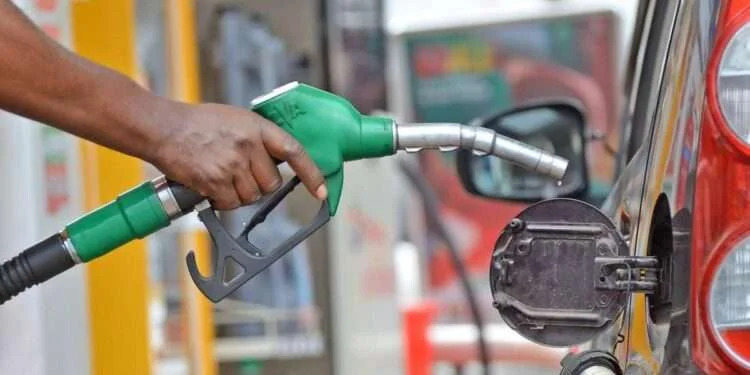
Fuel prices at the pumps in Ghana have been adjusted upwards as some major Oil Marketing Companies (OMCs) began new pricing from October 1, 2025, marking another increase that adds to the cost of living for many Ghanaians. Petrol prices have risen by about 2.47%, reaching approximately GH¢14.52 per litre, while diesel prices are also expected to rise, potentially selling at GH¢15.17 per litre. This development follows pressure from the international markets and further depreciation of the Ghanaian cedi.
According to market checks, Star Oil, a market leader, increased petrol prices from GH¢12.77 in September to GH¢13.17 on October 1. Other players such as GOIL and Shell have also adjusted their prices, with GOIL reporting petrol prices of GH¢13.38 and diesel at GH¢14.20 per litre. Despite some fluctuation, the general trend is an upward adjustment since late September.
The Chamber of Oil Marketing Companies (COMAC) cited international crude oil price increases and the depreciation of the cedi as key reasons behind the price rise. The cedi weakened from GHS 12.07 to GHS 12.40 per dollar, a 2.74% drop, continuing a trend seen over the third quarter of 2025. This depreciation has inflated the cost of fuel imports in a country heavily reliant on imported petroleum.
Speaking on these adjustments, a representative from Star Oil said, “As soon as market conditions improve, we will pass on any benefits to consumers as usual.” Meanwhile, some companies have held off on immediate increases due to competition but may follow suit soon.
The increase in the Energy Sector Shortfall and Debt Repayment Levy (ESSDRL), which took effect mid-2025, has also contributed to rising pump prices. The levy on petrol was increased from GH¢0.95 to GH¢1.95 per litre, and diesel from GH¢0.93 to GH¢1.93 per litre. The government introduced this levy to boost revenue for energy sector debts and infrastructure, but it has added to the overall cost of fuel.
The Ghana Private Road Transport Union (GPRTU) has warned that continued fuel price hikes may force transport operators to increase fares, potentially impacting commuters across the country. Many households are already feeling the strain from previous adjustments, and another hike is expected to exacerbate living costs.
The fuel price hike in Ghana reflects global market dynamics coupled with local currency depreciation and government levies. These factors combined are exerting upward pressure on fuel prices at the pumps as Ghana’s energy sector navigates through economic challenges.
Read Also: Fuel Price Hikes Hits Ghanaians as Petrol and Diesel Surge at Pumps