

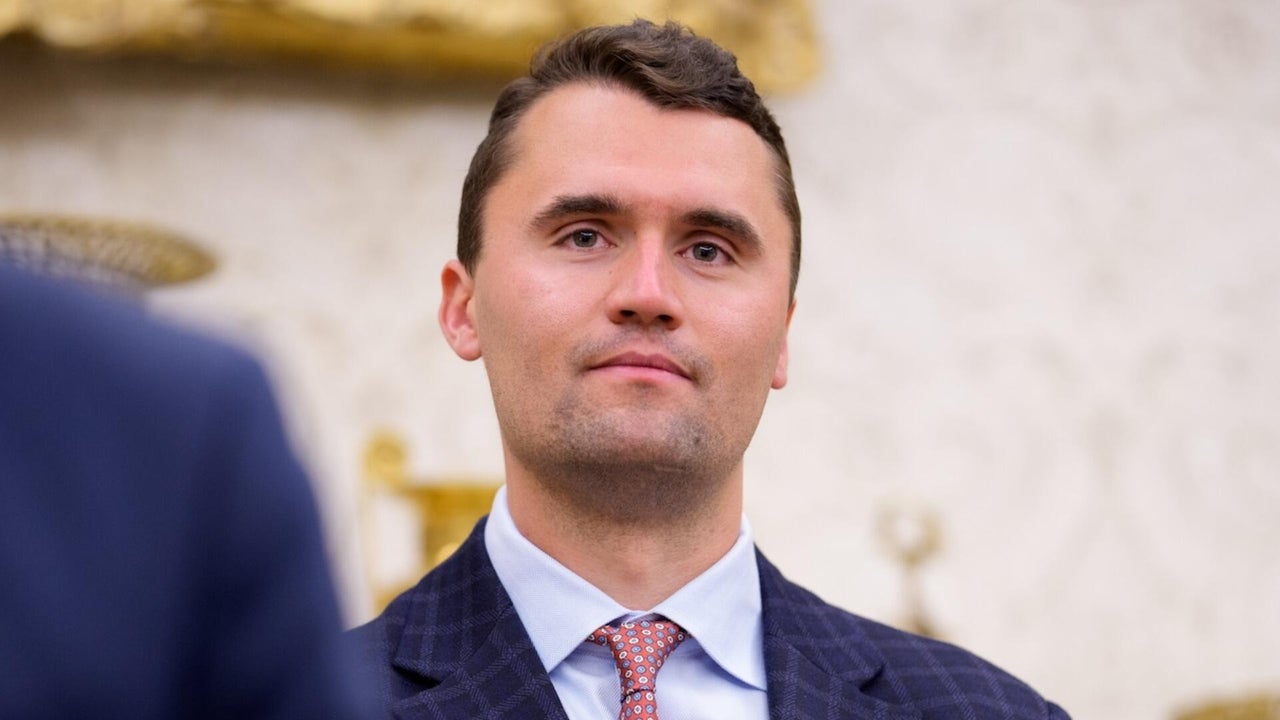
Charlie Kirk, the high-profile conservative activist and co-founder of Turning Point USA, was shot while speaking at a college event in Utah on 10 September 2025. The attack — described by some officials as a targeted political assassination — killed Kirk and prompted a nationwide manhunt that has refocused attention on the escalating threat of politically motivated violence in the United States. This article pieces together what is known about the incident, what may have motivated the shooter, and how the episode fits into a worrying pattern of political violence and radicalisation.
Table of Contents
The facts on the ground: what happened at the Utah event
According to multiple news organisations, the shooting took place during a public appearance by Kirk at Utah Valley University. Witness video shows a single shot fired from a position some distance from the stage; Kirk collapsed as the crowd fled. Law enforcement described the attack as targeted and said investigators were treating the scene as an assassination, with federal agencies including the FBI and ATF joining local authorities. At least one person has been detained in connection with the case, though officials cautioned that the inquiry remained active and evolving.
Initial reporting indicates the shot came from a rooftop or elevated position and that the attacker may have had some degree of premeditation. Officials closed the campus and established multiple crime scenes while a manhunt for the suspected shooter continued. Political leaders from across the spectrum condemned the killing, warning of the corrosive effects of political violence.
Who was Charlie Kirk and why might he have been targeted?
Charlie Kirk rose to national prominence as an organiser of conservative youth and campus activism. Turning Point USA built a large youth network and a prominent online media profile; Kirk himself was a frequent television commentator, an outspoken supporter of former president Donald Trump and a polarising public figure. His blend of provocative rhetoric and visible organisation made him a lightning rod — admired by many on the right and vilified by opponents on the left. That polarising public identity is important context when considering possible motives.
But prominence alone does not explain motive. Investigators will be seeking evidence of planning, target selection, and whether the attacker acted from ideological, personal, or psychological motives. The early law-enforcement language characterising the shooting as “targeted” and the use of an elevated firing position point towards premeditation; whether the act sprang from a plan to kill a known public figure, a lone extremist impulse, or some other motive remains the central question for investigators.
The immediate drivers: rhetoric, radicalisation, and extraordinary polarisation
Experts who study political violence note three related drivers that often precede attacks on public figures: sustained demonising rhetoric, rapid online radicalisation, and the normalisation of political violence in subcultures. The United States has seen spikes in incendiary political language and social-media ecosystems that amplify extreme views. When public discourse repeatedly frames opponents as existential threats, the rhetorical environment can lower the barrier to violence for those primed to act. Recent high-profile political attacks and plots have underlined how swiftly online grievance can turn into offline harm.
A 2024-25 domestic threat assessment and academic analyses produced in the last year warned authorities that political violence in the U.S. risked increasing as partisan animus hardened and as new networks of grievance and conspiracy emerged. Those reports emphasise how even single-actor violence is rarely wholly spontaneous: it is usually fed by narratives circulating in online communities that legitimise or glorify violence against particular targets. In that sense, Kirk’s visibility — and the steady stream of polarising commentary around him — made him a high-risk target in an already volatile environment.

Motive: what investigators will be looking for
Criminal investigators typically pursue multiple lines of inquiry in cases like this. They will ask whether the shooter acted alone or as part of a network; whether the suspect had a history of extremist beliefs or a record of threats; whether the attacker sought to make a political statement; and whether any foreign or domestic actors had played a role in the radicalisation trajectory. Evidence can come from online posts, private messages, travel and purchase records (weapons, lodging), and statements made to acquaintances. The presence of a sniper position suggests logistical planning — procuring a vantage point, timing the event, and possibly surveillance of the victim’s route and routine.
Investigators will also examine whether the suspect had acted alone in intent but with inspiration drawn from extremist literature or online communities — a common pattern in recent years. If evidence of coordination or instruction emerges, the case would expand into broader counter-terrorism or organised-crime territory.
Political fallout and the broader implications
Kirk’s killing has provoked an immediate and intense political reaction. Governors and congressional leaders condemned the violence, and voices across the spectrum warned against retaliatory rhetoric. Political violence can have a chilling effect on public life: targeted killings of public figures increase fear, harden partisan responses, and can prompt accelerated securitisation of political events — measures that themselves reshape civic access and debate.

Security specialists also warn that a cycle of high-visibility attacks can inflame further violence. If perpetrators perceive that political assassination produces attention and influence, copycat risks rise. That is why investigators and civic leaders often plead for restraint until facts emerge and for political leaders to avoid framing incidents in ways that could inflame followers.
What this means for public events and campus security
Universities and public venues are reassessing security protocols for speaker events. The prospect of attacks carried out from nearby buildings or elevated positions underscores vulnerabilities beyond the immediate stage: routes, sightlines, and even neighbouring rooftops and parking structures are now viewed as part of the security equation. Many organisers are weighing the trade-offs between open access and protective measures such as controlled perimeters, armed security, elevated sweeps, or remote livestreaming in lieu of in-person appearances.
But security experts caution that securitisation alone is not a cure. Long-term prevention requires addressing the online ecosystems that radicalise individuals, improving threat reporting and mental-health interventions, and political leaders choosing rhetoric that does not normalise or celebrate violence. Federal threat assessments and academic research recommend a combined strategy: community resilience, better intelligence sharing, and targeted counter-radicalisation programs.

Conclusion: facts first, then accountability
The assassination of a public figure — as preliminary reporting suggests happened in Utah — is a national shock. The immediate task for investigators is to establish motive, method, and any networks or enabling conditions. The wider task for society is harder: to protect open civic life while interrupting the pathways from grievance and online radicalisation to lethal action. How authorities, platforms, and political leaders respond in the coming days will matter as much as who ultimately carried out the attack.