
‘Avoid Doggy Style to Prevent Stroke’ – Dr. Philips Warns

0
163

Ghanaian herbal expert, Dr. Aki Philips, head of Anidaso Herbal, has raised concerns about the potential health risks associated with specific lovemaking positions. Appearing on Kingdom FM‘s Anopa Nkomo show, Dr. Philips advised men to reconsider some common sexual positions in favor of their long-term well-being.

Increased Risk of Stroke Linked to Doggy Style

During the interview, Dr. Philips specifically highlighted the doggy style position, cautioning men about its potential health dangers. He explained that this position places undue physical strain on the body, particularly increasing the risk of stroke in men.

“Men should consider changing their sexual positions, especially the doggy style, as it puts them at higher risk of suffering a stroke,” Dr. Philips advised, urging men to explore safer alternatives that reduce the physical stress during intimacy.
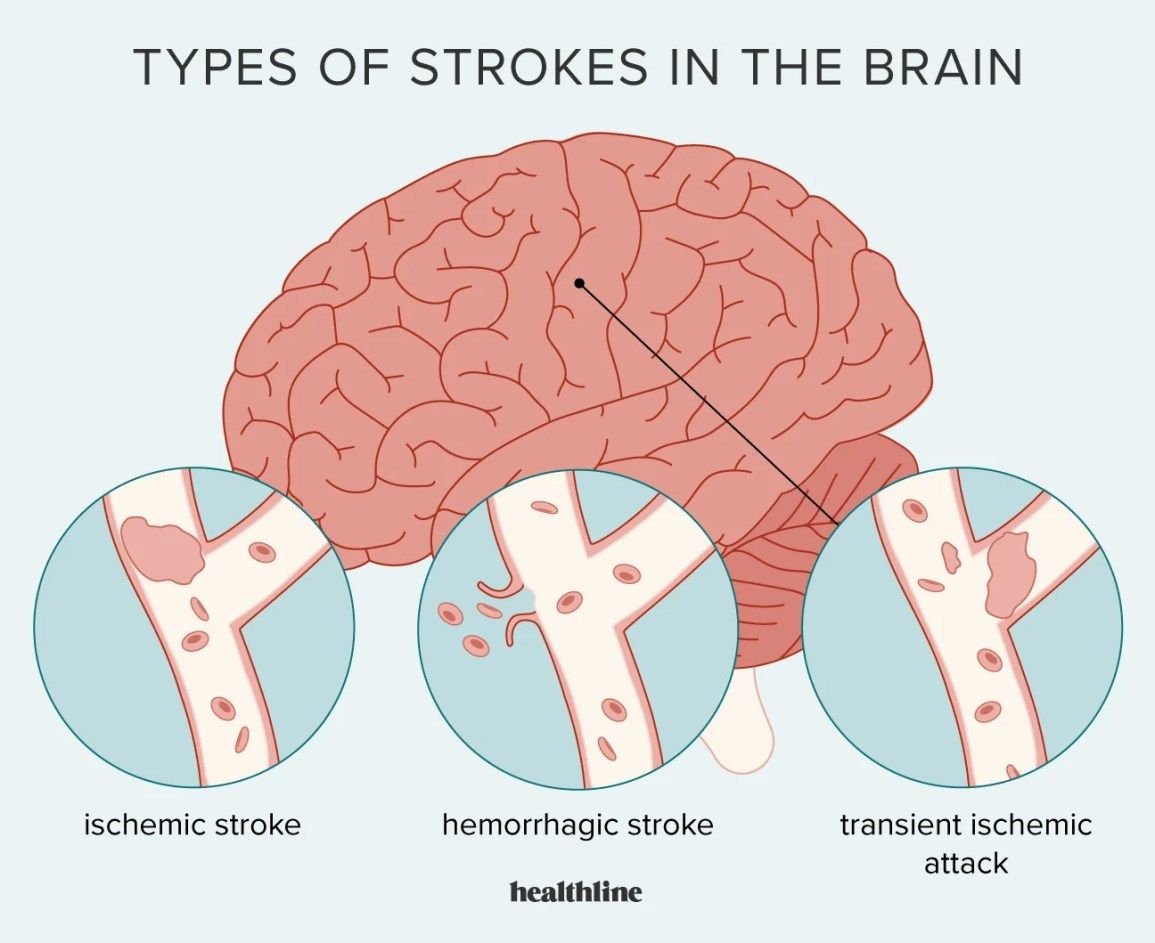
Dr. Philips Says Avoiding Doggy Style Prevents Stroke
‘Avoiding Doggy Style Prevents Stroke ‘

The ‘Cowgirl’ Position: A Prostate Health Concern

In addition to his warning about the doggy style position, Dr. Philips expressed concerns about the cowgirl position—where the woman is on top. He explained that the position could cause pressure to build on the prostate, a vital organ in male reproductive health.

“The cowgirl position can be harmful because the significant weight and pressure on the prostate could lead to serious health issues over time,” Dr. Philips noted. This pressure, he said, could potentially result in long-term complications, underscoring the need for men to be mindful of their prostate health during sexual activity.

The Health Benefits of Regular Sexual Activity

Despite these warnings, Dr. Philips emphasized the importance of regular sexual activity as a means of promoting overall health. He suggested that men should engage in intercourse more frequently, with a recommended figure of at least 24 times a month. According to him, this routine could offer various health benefits, including improving cardiovascular health and reducing stress.

“It is advisable for men to have sex at least 24 times a month to enhance their well-being,” Dr. Philips shared, pointing to the positive effects of intimacy on both physical and mental health.

A Balanced Approach to Intimacy and Health

While Dr. Philips’ insights have sparked interest, health experts generally advise individuals to consider a balanced approach to their sexual health. Factors such as age, physical fitness, and pre-existing health conditions play significant roles in determining safe and healthy intimacy practices. It is essential for individuals to consult with healthcare providers before making lifestyle adjustments based on general recommendations.

Read More: Check Your Breast Now! 5 Early Signs of Breast Cancer Every Lady Must Know.

Author

  • Daniel Ablordey

    Daniel Ablordey is a Business Analytics student at the University of Ghana Business School and an emerging strategist at the intersection of data, markets, and narrative. With a keen analytical mind and a passion for African business and economic trends, he is building a career focused on translating complex data-driven insights into accessible, decision-relevant stories that matter.As a writer and editor with Insight Ghana, African Business Insight, and The African Journal, Daniel delivers sharp, high-impact analysis on current affairs, business developments, and emerging trends across the continent. His work is defined by precision, clarity, and a deep commitment to responsible journalism — ensuring that every story he tells is not only accurate but meaningful to the audiences it serves.Beyond his editorial work, Daniel serves as an Ecobank Youth Ambassador, where he actively promotes financial inclusion, digital banking, and financial literacy among young Ghanaians. His leadership experience spans academic, professional, and faith-based institutions, where he has consistently driven initiatives centered on growth, structure, and long-term impact.Grounded in the principles of Pan-Africanism and service, Daniel brings a rare combination of analytical rigour and storytelling depth to his work. Whether unpacking market behavior, profiling emerging business leaders, or covering cultural shifts shaping the continent, he approaches every assignment with strategic intent and editorial integrity.His broader ambition is to contribute to Africa's transformation by shaping how data, business, and storytelling intersect — not just locally, but on a global stage.

Previous articleWe Will Never Play Shatta Wale’s Song on Our Station – Abena Moet
Next articleWhat it Means That New AIs Can “Reason”
Daniel Amenyo Ablordey
Daniel Ablordey is a Business Analytics student at the University of Ghana Business School and an emerging strategist at the intersection of data, markets, and narrative. With a keen analytical mind and a passion for African business and economic trends, he is building a career focused on translating complex data-driven insights into accessible, decision-relevant stories that matter.As a writer and editor with Insight Ghana, African Business Insight, and The African Journal, Daniel delivers sharp, high-impact analysis on current affairs, business developments, and emerging trends across the continent. His work is defined by precision, clarity, and a deep commitment to responsible journalism — ensuring that every story he tells is not only accurate but meaningful to the audiences it serves.Beyond his editorial work, Daniel serves as an Ecobank Youth Ambassador, where he actively promotes financial inclusion, digital banking, and financial literacy among young Ghanaians. His leadership experience spans academic, professional, and faith-based institutions, where he has consistently driven initiatives centered on growth, structure, and long-term impact.Grounded in the principles of Pan-Africanism and service, Daniel brings a rare combination of analytical rigour and storytelling depth to his work. Whether unpacking market behavior, profiling emerging business leaders, or covering cultural shifts shaping the continent, he approaches every assignment with strategic intent and editorial integrity.His broader ambition is to contribute to Africa's transformation by shaping how data, business, and storytelling intersect — not just locally, but on a global stage.