

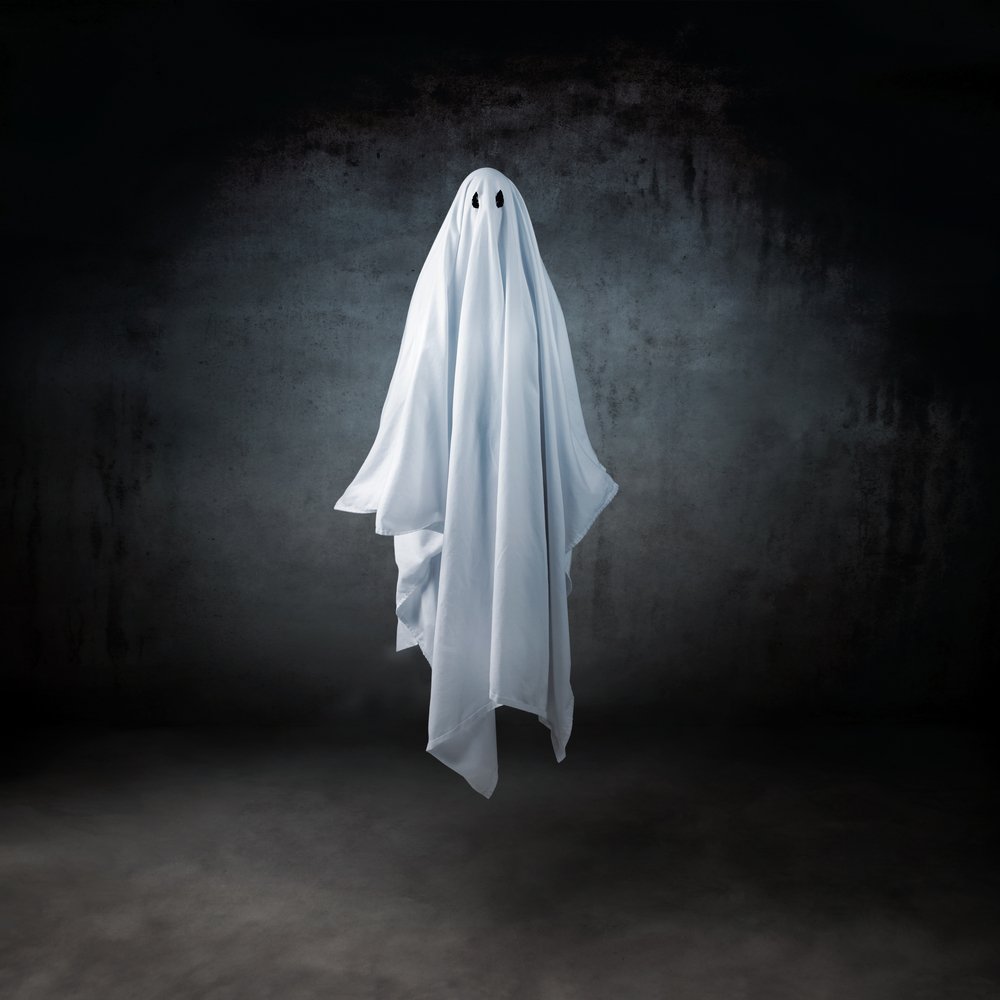
In the vibrant towns and quiet villages of Ghana, ghosts stories are more than mere tales; they are living, breathing narratives that shape the cultural landscape. Consider the story of Kofi, a fisherman from a coastal village, who claims to have seen the spirit of his late father on the beach, guiding him to a bountiful catch. Or Ama, a market trader in Accra, who believes she was saved from a fatal accident by the intervention of her deceased grandmother’s spirit. These personal anecdotes of ghostly encounters are not isolated incidents but part of a broader tapestry of experiences shared by many Ghanaians.
In many Ghanaian cultures, the dead are not gone but continue to exist in a spiritual realm, maintaining a connection with the living. This belief fuels the aspiration to honor and communicate with ancestors, seeking their guidance and blessings. Rituals, ceremonies, and festivals are often conducted to appease these spirits and ensure their favor. The annual Homowo Festival of the Ga people, for example, includes rituals to honor ancestors and seek protection from their spirits.
Despite the desire to connect with ancestors, fear of ghosts remains pervasive. This fear can be traced back to several key factors:
1. Cultural Narratives: From childhood, Ghanaians are immersed in folklore that often portrays ghosts as vengeful spirits. These stories, shared around firesides and in family gatherings, are vivid and chilling, imprinting a deep-seated fear of the supernatural.
2. Religious Beliefs: Traditional African religions, Christianity, and Islam all influence Ghanaian views on ghosts. The belief that spirits can influence the living, for better or worse, instills a fear of incurring their wrath through disrespect or improper rituals.
3. Psychological Factors: The fear of the unknown and the association of ghosts with death and the afterlife tap into fundamental human anxieties. The thought of encountering a ghost, representing the unknown and potentially malevolent, can be terrifying.
4. Community Influence: In close-knit communities, collective belief in ghosts can reinforce individual fears. Stories of ghost sightings or spiritual encounters spread quickly, creating a social environment where fear of ghosts is normalized and perpetuated.
5. Media and Modern Influence: Contemporary media, including films, TV shows, and literature, often depict ghosts in frightening ways. These portrayals shape public perception and contribute to the fear of the supernatural.
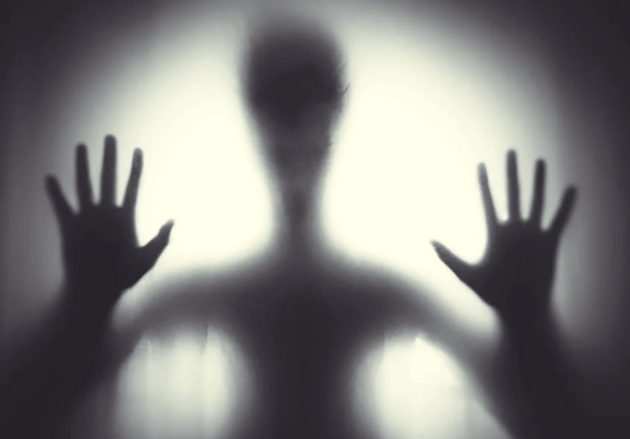
The existence of ghosts has long fascinated and spooked humanity, weaving itself into the fabric of countless cultures and religions worldwide. Yet, despite the chilling tales and eerie encounters that permeate folklore, science remains skeptical. Many ghostly experiences can often be attributed to psychological phenomena, such as pareidolia—the tendency to perceive familiar patterns, like faces, in random stimuli—or the power of suggestion, where a creepy setting primes the mind for supernatural experiences.
Environmental factors, such as infrasound or electromagnetic fields, can also create sensations that people might interpret as ghostly presences. While anecdotal stories abound, the scientific community demands more concrete evidence before acknowledging the spectral. Thus, while the debate rages on in dimly lit rooms and shadowy corners, the tangible proof of ghosts remains as elusive as the phantoms themselves.
Ghost experiences and the aspiration to connect with ancestors are integral to Ghanaian culture, providing a rich source of stories and rituals that bind communities together. Yet, these same beliefs also fuel a deep-seated fear of the supernatural. By exploring the cultural, religious, and psychological roots of this fear, we gain insight into the complex relationship between the living and the dead in Ghana, where ghosts are both revered and feared, guiding and haunting the paths of those they leave behind.
Let us know your ghost experiences or stories you’ve heard in the comments section ⬇️.
Read More: Does Honey Really Enhance Intelligence?