

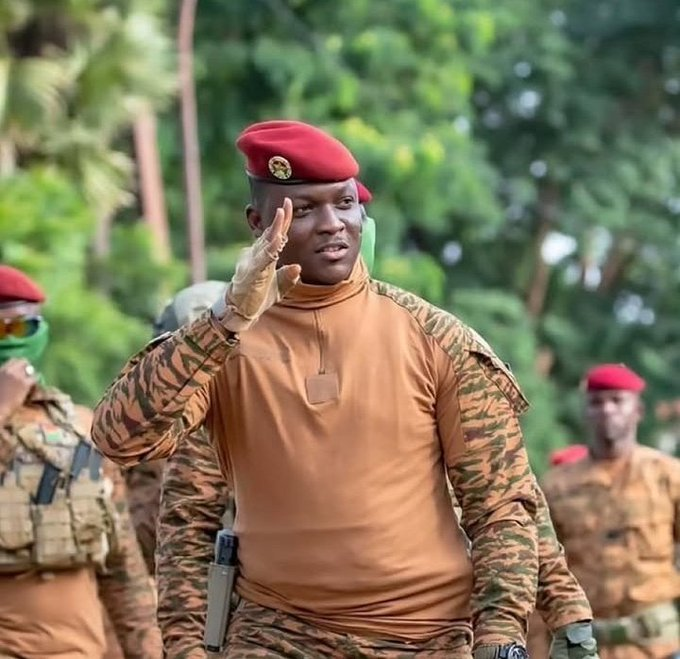
Since Captain Ibrahim Traoré took power in September 2022, Burkina Faso has been on a transformative journey. At just 36 years old, Traoré has drawn international attention for his unapologetically Pan-African stance, bold decisions, and drive to make Burkina Faso self-reliant. Though still early in his leadership, here are ten major achievements that are already defining his presidency — all rooted in a vision of sovereignty, security, and African pride.
1. Reinforcing National Security with a Local Face
Under Traoré’s leadership, Burkina Faso has significantly strengthened its armed forces to tackle terrorism. New special forces units, better weaponry, and the deployment of drones and helicopters have enhanced counter-insurgency efforts. More importantly, he has encouraged community-based defense, recruiting tens of thousands of local fighters to join the Volunteers for the Defense of the Homeland (VDP), reflecting a belief that the fight for peace must be homegrown.
Source: The Habari Network, PressTV
2. Processing Gold at Home, Not Abroad
Burkina Faso is one of Africa’s top gold producers — but for years, the raw material was exported without much value addition. Traoré has changed that by introducing a national gold refining program to process gold locally. The move is aimed at retaining revenue, creating jobs, and reducing foreign exploitation of resources.
Source: The Habari Network
3. Feeding the Nation: Investing in Agriculture
From cotton to tomatoes, Traoré is betting on Burkina Faso’s land and farmers. His administration launched two tomato processing plants — the first of their kind in the country — and set up a center to support local cotton production. The goal? Replace food imports with Burkinabé-made products.
Source: Malawi Ace
4. Building Infrastructure for the Future
The construction of the Ouagadougou-Donsin Airport is one of the most visible infrastructure projects under Traoré. It’s more than just a travel hub — it’s a symbol of his ambition to connect Burkina Faso to the region and the world, under its own terms.
Source: ISS Africa Futures
5. Leading by Example: Fiscal Discipline at the Top
In an unprecedented move, Traoré slashed ministers’ and MPs’ salaries by 30%, while increasing civil servants’ pay by 50%. He has also cleared millions in domestic debts. His message is clear: leadership must make sacrifices before asking the people to tighten their belts.
Source: Malawi Ace

6. Saying ‘No’ to the IMF and World Bank
Traoré has rejected financial dependency on the West, famously declaring that Africa doesn’t need the IMF, World Bank, or Europe to develop. While controversial, this stance has reignited conversations about neo-colonialism and the importance of economic sovereignty in Africa.
Source: Malawi Ace
7. Taking Back the Mines
In April 2025, Traoré’s government announced it was taking control of major industrial gold mines previously operated by foreign firms, including Endeavour Mining. The move, part of a broader nationalization agenda, is meant to ensure that more of the country’s mineral wealth benefits Burkinabé citizens.
Source: Reuters
8. Decolonizing the Courts – Robes of Faso
In a culturally symbolic move, Burkinabé judges now wear robes made from locally woven cotton, replacing the colonial-era black satin gowns. This change represents a broader effort to promote African identity and pride in state institutions.
Source: El País
9. Rewriting the Rules with a New Constitution
In a bid to dismantle outdated colonial structures, Traoré’s administration drafted a new constitution that removed French as an official language and abolished elite-only judicial bodies. These changes aim to bring governance closer to the people.
Source: Wikipedia – Constitution of Burkina Faso
10. Founding the Sahel Alliance
Together with Mali and Niger, Traoré helped form the Alliance of Sahel States — a regional defense pact designed to boost military cooperation and reduce dependence on Western powers. The alliance marks a major shift toward African-led security solutions.
Source: Wikipedia – Ibrahim Traoré
A New Dawn for Burkina Faso?
Whether celebrated as a patriot or critiqued as a populist, Captain Ibrahim Traoré has undoubtedly shifted the course of Burkina Faso. His anti-imperialist stance and reform-heavy agenda have made waves across the continent — and as his administration continues, many are watching to see if his vision for a sovereign, self-sufficient Burkina Faso will succeed.
Also Read: President Ibrahim Traore survives another assassination attempt amid growing regional tensions