


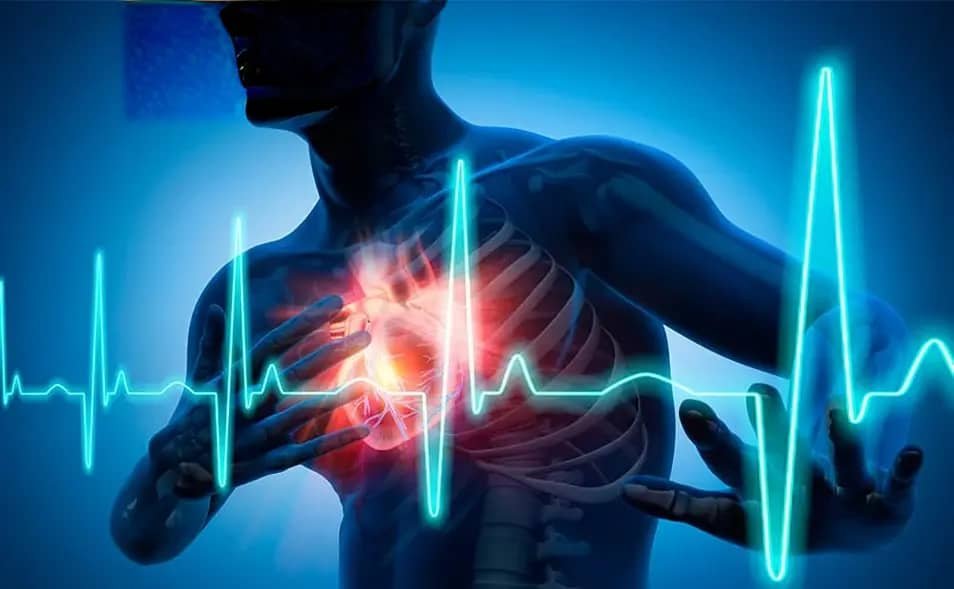
A heart attack can strike without much warning, but recognising its symptoms early and seeking medical attention promptly can significantly improve the chances of survival.
A heart attack occurs when blood supply to part of the heart muscle becomes blocked, preventing the affected area from receiving enough oxygen. The World Health Organization (WHO) warns that prolonged interruption of blood flow can cause serious damage to the heart muscle.
Although severe chest pain is commonly associated with heart attacks, symptoms can vary from person to person. Women, older adults and people living with diabetes may sometimes experience symptoms that are less typical.
Here are six important warning signs to watch out for:
- Chest pressure, tightness or pain

One of the most common symptoms is discomfort in the chest.
A person may experience pressure, squeezing, tightness or a feeling of fullness around the centre of the chest. The sensation may continue for several minutes or come and go.
Chest discomfort does not necessarily have to be severe to indicate a serious problem.
- Pain spreading beyond the chest

The discomfort associated with a heart attack can extend to other parts of the body.
Pain may travel into one or both arms, the shoulders, neck, jaw or back. According to the WHO, discomfort in these areas can occur alongside other heart attack symptoms.
- Unexpected shortness of breath

Difficulty breathing or suddenly becoming unusually short of breath can be another warning sign.
Breathlessness may occur with chest discomfort or on its own. Sudden, unexplained breathing difficulties should therefore not be dismissed.
- Nausea or vomiting

Some people may feel nauseous or vomit while experiencing a heart attack.
Because these symptoms can resemble a stomach illness, they may not immediately be linked to a heart problem, especially if chest pain is absent.
The WHO notes that women are more likely than men to experience symptoms including nausea, vomiting, shortness of breath and pain in the back or jaw.
- Dizziness or feeling like you may faint

Feeling suddenly light-headed, dizzy or close to fainting can also occur during a heart attack.
Such symptoms become particularly concerning when they appear together with chest discomfort, breathing difficulties or other warning signs.
- Cold sweats, unusual fatigue or paleness

A person experiencing a heart attack may suddenly break out in a cold sweat or appear unusually pale.
Unexplained tiredness, breathlessness and discomfort similar to indigestion can also occur, particularly among women, older adults and people with diabetes.
What to do when a heart attack is suspected

Possible heart attack symptoms should never be ignored or left to see whether they go away.
A suspected heart attack is a medical emergency, and urgent professional care is essential. The WHO emphasises the importance of recognising symptoms quickly and reaching emergency medical services as soon as possible.
It is also important not to assume that a particular symptom automatically means a heart attack because several other medical conditions can produce similar signs. Anyone experiencing possible heart attack symptoms should be evaluated by qualified medical professionals.
Heart attacks can often be prevented

According to the WHO, many heart attacks can be prevented by reducing major risk factors.
Health measures include avoiding tobacco, eating a balanced diet, engaging in regular physical activity, limiting harmful alcohol consumption and keeping conditions such as high blood pressure, high blood sugar and high cholesterol under control.
Ischaemic heart disease, which accounts for most heart attacks, remains the world’s leading cause of death. The WHO estimates that it caused about 9 million deaths in 2021, representing roughly 13% of deaths worldwide.
Understanding the warning signs can help people respond quickly when a medical emergency occurs. Taking unusual symptoms seriously, seeking urgent medical care and maintaining healthy habits can all contribute to better heart health.
By: Prince Martey-Sogar