

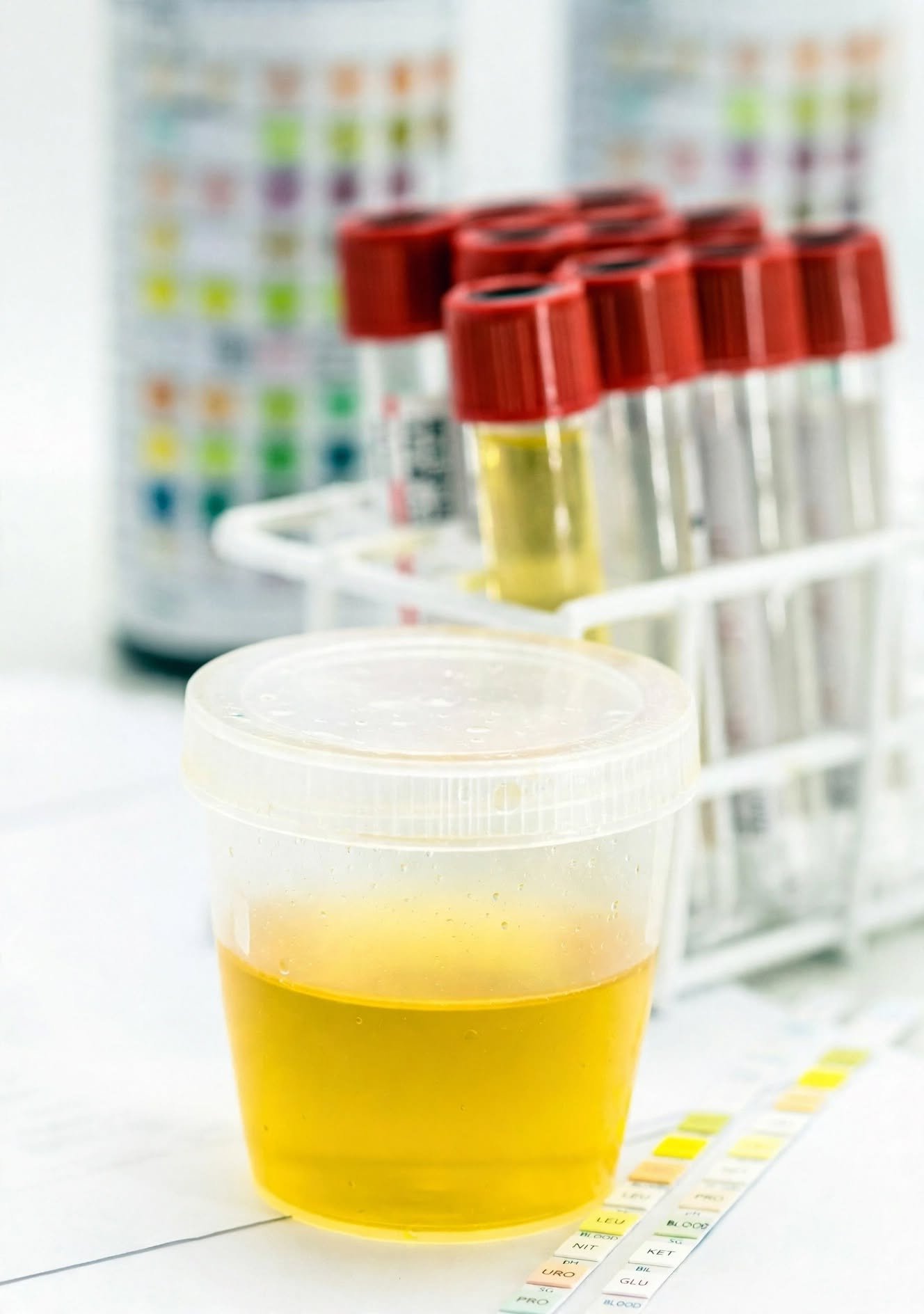
An at-home urine test being trialled by the NHS has been found to detect 92% of bladder cancer cases, raising hopes that it could help reduce the number of patients undergoing invasive diagnostic procedures.
The findings, published in European Urology Oncology, came from a study led by the University of Birmingham and diagnostics company Nonacus, involving nearly 1,000 patients across seven hospitals in England and Scotland.
Researchers believe the test could help ease pressure on the health system by identifying patients who are more likely to have bladder cancer and should be prioritised for urgent examinations.
The test is not intended to replace cystoscopy, an invasive procedure in which a small camera is inserted through the urethra into the bladder. However, it could help doctors determine which patients need the procedure most urgently.

More than 300,000 cystoscopies are carried out in the UK each year, with some areas experiencing significant waiting times. Researchers say a successful larger trial could potentially spare tens of thousands of patients from unnecessary procedures annually.
The Galeas urine test examines genetic material released into urine by bladder cancer cells. It searches for more than 450 DNA mutations linked to bladder cancer across 23 genes.
According to the latest trial, a negative test result was associated with more than a 99% chance that the patient did not have bladder cancer.
The technology was initially developed by the University of Birmingham with funding from Cancer Research UK (CRUK). It has since been commercialised by Nonacus under a licensing agreement, with part of the revenue returned to the university and CRUK.

Prof Richard Bryan, a co-author of the study from the University of Birmingham, said it was encouraging to see the test deliver “very promising early performance” after years of scientific development and evaluation.
Cancer Research UK chief executive Michelle Mitchell said: “Too many people are waiting longer than they should for a bladder cancer diagnosis, and it’s essential that we find ways to tackle this problem.”
She added: “It’s early days for this test and further research is needed, but it’s vital that we continue to find faster and less invasive ways to help diagnose or rule out cancer.”
Bladder cancer is more prevalent among men aged over 60, with blood in the urine being one of its main symptoms.
The seriousness of the disease depends on factors including the size of the tumour and whether it has spread to other parts of the body. Detecting and treating cancer at an early stage can significantly improve outcomes.
By: Prince Martey-Sogar