

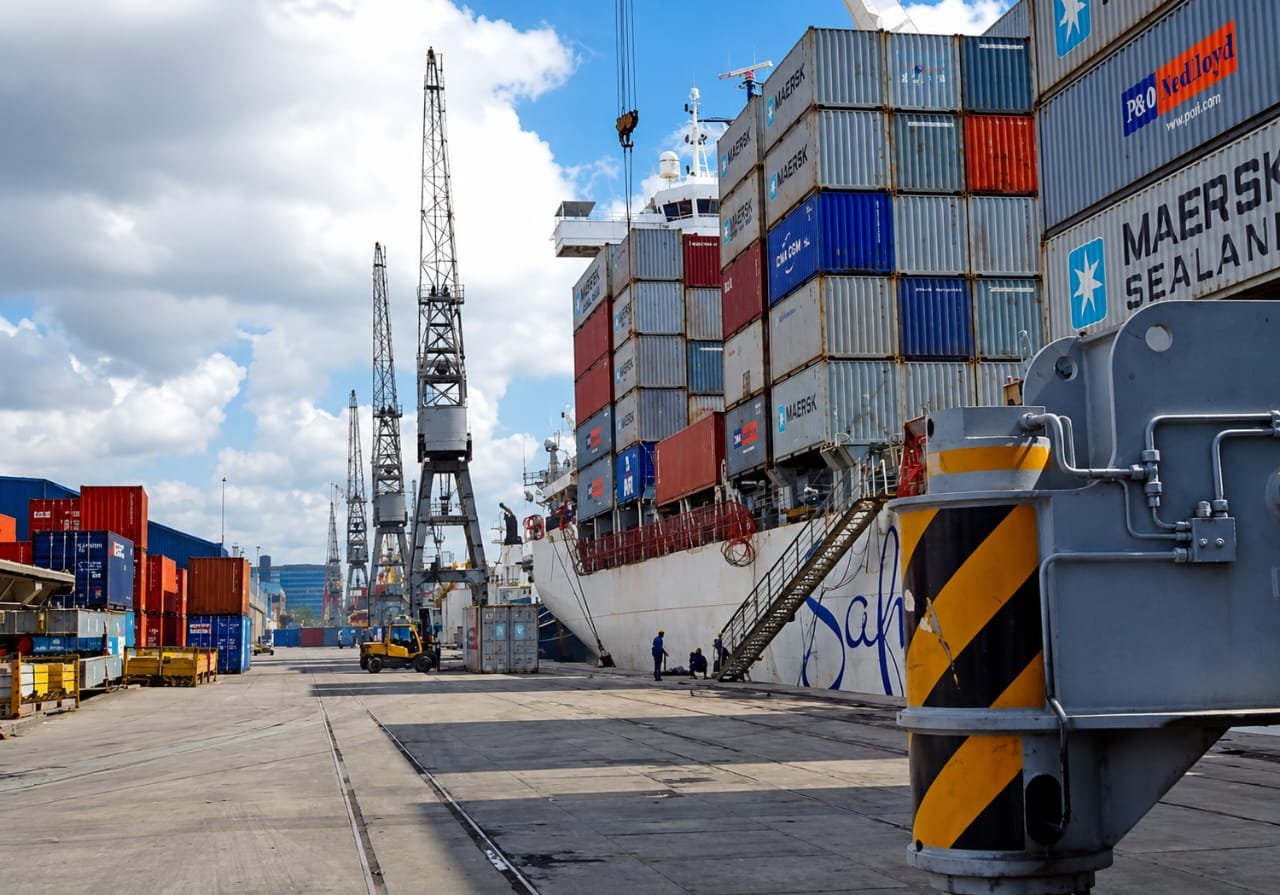
The Importers and Exporters Association of Ghana (IEAG) has commended the Publican Artificial Intelligence (AI) Trade Solution for contributing significantly to customs revenue mobilisation since its full implementation at Ghana’s ports in March 2026.
However, the Association has called for improvements in the valuation appeals process and greater consistency in the assessment of similar consignments.
Speaking at a press conference in Accra on August 27, the IEAG disclosed that about 366,000 import declarations had been processed through the Publican AI system, with roughly 24 per cent flagged by its valuation risk indicators for further examination.
According to figures cited in the 2026 Mid-Year Budget Review, the system has contributed to an increase of more than US$300 million in assessed customs revenue, representing a 17.5 per cent rise above the values initially declared by importers.
The Association further revealed that customs revenue collected in March alone increased by approximately US$73.44 million, representing a 25.7 per cent increase.

The IEAG said it initially had concerns about stakeholder consultation, transparency, data integrity, system integration and operational preparedness surrounding the AI platform.
It explained that following engagements with the Ministry of Finance and the Ghana Revenue Authority (GRA), it subsequently became supportive of the initiative.
The Association said the AI-powered system had the potential to improve consistency in customs valuation by reducing instances where similar consignments are assigned different duty values depending on the officer handling the transaction.
It added that the platform’s risk-management capabilities could assist Customs in detecting suspicious declarations and inconsistencies in documentation, while enabling officers to concentrate on high-risk consignments and facilitate legitimate trade.
Despite recognising the benefits of the system, the IEAG said several challenges remained.

These include delays in settling valuation disputes, variations in duty assessments for similar consignments and the need for continuous stakeholder engagement and capacity development.
The Association therefore called for a faster and more transparent appeals process, warning that prolonged disputes could expose importers to additional demurrage charges and business disruptions.
It also urged the government to regularly update and calibrate the valuation database to ensure greater accuracy and consistency in duty assessments.
The IEAG recommended regular consultations among the Ministry of Finance, GRA, Customs, freight forwarders, shipping companies and other stakeholders within the trading community.
The Association also cautioned importers against assuming that every increase in customs charges was caused by the Publican AI system.

It said some freight forwarders and clearing agents could be taking advantage of misunderstandings surrounding the system to impose inflated charges on importers.
Importers were therefore advised to independently verify their duty assessments and request supporting documents before making payments.
For consignments traders believe have been overvalued, the IEAG said importers could request a review by providing documents such as commercial invoices, sales contracts or purchase orders, proof of payment, bills of lading and other relevant import records.
The Association further urged the government to continue investing in the Publican AI platform through regular software upgrades and improvements to its data.
It also called for the Appeals Secretariat to be strengthened, greater use of international pricing databases, deeper engagement with stakeholders and the regular publication of performance reports on the system.

The IEAG maintained that the continued adoption of technology in customs operations would help reduce opportunities for corruption, revenue leakages and arbitrary valuation practices.
It reaffirmed its commitment to reforms that promote a more transparent, predictable and efficient trading environment while ensuring that government revenue is protected.
By: Prince Martey-Sogar