

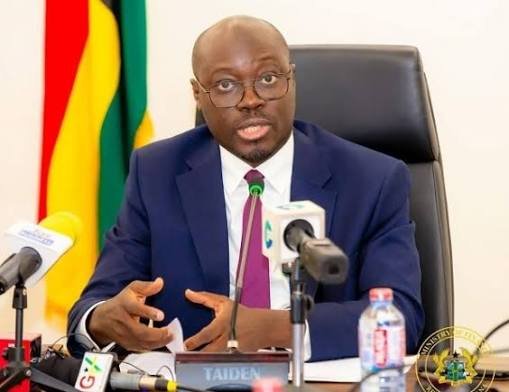
Ghana’s debt-servicing burden has fallen significantly, with the country now spending less than 20 per cent of its revenue on servicing debt, down from about 50 per cent at the peak of the country’s debt crisis, Minister of Finance Dr Cassiel Ato Forson has disclosed. According to the Finance Minister, the sharp reduction in debt-servicing costs has created additional fiscal space for the government to channel resources into critical sectors of the economy, including education, healthcare, roads and other infrastructure.
Dr Ato Forson made the disclosure during the signing of a debt restructuring agreement between the governments of Ghana and Belgium. The agreement forms part of Ghana’s broader efforts to restructure its external debt and restore the country’s fiscal stability following years of economic difficulties. Reflecting on the country’s previous debt situation, the Finance Minister said Ghana’s debt-service obligations had reached unsustainable levels, placing significant pressure on government finances and limiting its ability to provide essential public services.
“At its peak, we were spending about 50 per cent of our revenue on debt servicing. This meant less money for schools, hospitals, roads and other infrastructure. That was unsustainable,” Dr Ato Forson said. He noted that the situation had changed considerably following the government’s debt restructuring efforts and fiscal consolidation measures.

“Today, I am proud to say that we have made considerable progress. We are now spending less than 20 per cent of our revenue on servicing debt,” he stated. The reduction in debt-servicing expenditure, according to the Minister, is expected to provide the government with greater room to invest in programmes and projects that directly affect the welfare of citizens. Dr Ato Forson said the improved fiscal position would allow government to redirect resources that would previously have been used for debt obligations towards development priorities.
For several years, Ghana’s growing debt stock and high interest payments placed considerable pressure on public finances. The situation became particularly severe as government revenue was increasingly absorbed by debt-service obligations. The resulting fiscal constraints affected the government’s ability to adequately finance infrastructure and social interventions while also maintaining macroeconomic stability. However, the Finance Minister said the progress made through debt restructuring and fiscal reforms was helping to reverse the situation.
He stressed that government was not only focused on reducing the current debt burden but was also taking steps to prevent Ghana from returning to a similar crisis in the future. “We are ensuring the fiscal rules we have instituted are enshrined in law, so that no matter which government is in office, these rules will be respected,” Dr Ato Forson stated. The move, he explained, was intended to strengthen fiscal discipline and ensure that future governments operate within clearly defined rules designed to protect the country’s financial stability.

The latest agreement with Belgium is part of Ghana’s wider external debt restructuring programme. The government has so far signed bilateral debt restructuring agreements with nearly 10 countries under the country’s official creditor framework. The agreements include arrangements with Spain, China Exim Bank, France, Finland, the United Kingdom and Germany. The restructuring programme follows the severe economic and financial challenges Ghana experienced, which prompted the government to seek comprehensive debt treatment from both domestic and external creditors.
Ghana first undertook a major restructuring of its domestic debt through the Domestic Debt Exchange Programme. The exercise, according to government, achieved an approximately 85 per cent participation or outturn. With the domestic debt restructuring largely completed, attention shifted to Ghana’s external obligations, including debts owed to bilateral creditors and commercial lenders.
On December 19, 2022, the government announced the suspension of payments on selected external commercial obligations as it sought to create room for negotiations with creditors and restore debt sustainability. The move paved the way for extensive discussions with Ghana’s external creditors and international financial institutions.

A key development in Ghana’s external debt restructuring process was the formation of the Creditor Committee under the Paris Club framework, with China also participating in the process. The committee provided a platform for Ghana to negotiate with its official bilateral creditors over the restructuring of billions of dollars in outstanding obligations. The government subsequently began negotiations aimed at securing debt relief and restructuring approximately US$5.4 billion in bilateral debt.
The objective has been to reduce Ghana’s immediate debt-service obligations, improve the sustainability of its public finances and create room for economic recovery. The agreement with Belgium therefore represents another step in Ghana’s broader strategy to secure favourable terms from its external creditors. The Belgian Ambassador to Ghana, Carole van Eyll, welcomed the signing of the agreement and expressed appreciation for the cooperation between the two countries throughout the restructuring process.
She said Ghana had made tremendous progress in addressing its economic challenges and expressed optimism that the development would strengthen investor confidence. According to the ambassador, the progress made by Ghana could encourage more Belgian companies and businesses to explore opportunities in the country. The debt agreement is therefore expected not only to contribute to Ghana’s fiscal recovery but also to strengthen economic relations between Ghana and Belgium.

The government’s current debt strategy goes beyond restructuring existing obligations. Authorities are also seeking to strengthen fiscal institutions and ensure that future borrowing remains within sustainable limits. Dr Ato Forson’s emphasis on putting fiscal rules into law reflects government’s intention to make fiscal discipline a permanent feature of Ghana’s economic management.
The Finance Minister’s comments come at a time when government is seeking to consolidate gains from its economic recovery programme while addressing the long-term consequences of the country’s debt crisis. The reduction of the debt-servicing burden from about half of government revenue to below one-fifth represents a significant change in the country’s fiscal position, according to the Minister. With further bilateral and commercial debt negotiations expected, the government is hoping to secure additional relief and strengthen Ghana’s capacity to finance development.
For Ghanaians, the government argues that the ultimate benefit of the restructuring process should be increased resources for essential public services, infrastructure and social programmes.

The challenge ahead, however, will be to maintain fiscal discipline and ensure that the gains achieved through the restructuring programme are sustained. The government’s commitment to legally entrench fiscal rules is intended to provide a safeguard against excessive borrowing and a recurrence of the debt pressures that previously placed a substantial portion of national revenue under the control of debt servicing.
As Ghana continues to engage its external creditors, the government says the objective remains clear: restore debt sustainability, protect public finances and create the fiscal space required to support long-term economic development.
By: Philbert Amiba Ayuusah