


Category: Politics
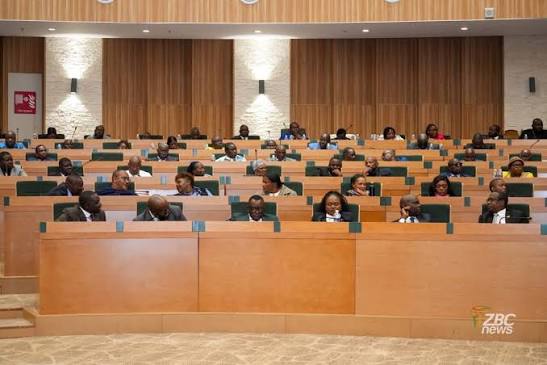
Parliament has commenced debate on a comprehensive Electoral Reform Bill aimed at strengthening Ghana’s democratic processes ahead of the 2028 general elections. The proposed legislation seeks to improve voter registration procedures, enhance electoral transparency, and tighten regulations governing political campaign financing.

The Parliament of Ghana has begun deliberations on a proposed Electoral Reform Bill that could introduce significant changes to the country’s electoral system. Lawmakers from both the Majority and Minority caucuses described the bill as one of the most important governance reforms expected to shape future elections.The proposed legislation contains provisions intended to modernize voter registration, improve election result transmission, strengthen campaign finance regulations, and expand electoral education. The Electoral Commission is also expected to receive additional powers to enforce compliance with electoral laws and sanction violations.
Presenting the bill before Parliament, the Minister responsible for parliamentary affairs stated that Ghana’s democracy has matured considerably over the years but continues to face operational challenges that require legal reforms. According to the minister, the objective is to increase public confidence in elections while ensuring greater transparency throughout the electoral process.

Members of Parliament welcomed several aspects of the bill but also expressed differing opinions on key provisions relating to campaign financing and political advertising. Some legislators argued that stricter disclosure requirements would improve accountability, while others cautioned that excessive regulations could disadvantage smaller political parties.Civil society organizations monitoring governance reforms have also submitted recommendations to Parliament. They have called for greater public consultation before the bill is passed, emphasizing that electoral reforms should reflect broad national consensus rather than partisan interests.
Political analysts believe the legislation could significantly influence preparations for the next general elections by providing clearer legal frameworks for voter registration, campaign conduct, and dispute resolution.The Electoral Commission has indicated that it is prepared to implement any reforms approved by Parliament, noting that technological improvements will also play a central role in future elections.
Debate on the bill is expected to continue over the coming weeks before it proceeds through the remaining legislative stages. Parliamentary committees are expected to receive memoranda from stakeholders, including political parties, election observers, and governance experts.Observers say the discussions represent another important step in Ghana’s ongoing efforts to strengthen democratic institutions and preserve public confidence in the country’s electoral process.
By: Oppong Frimpong Richard