

CATEGORY: ECONOMY
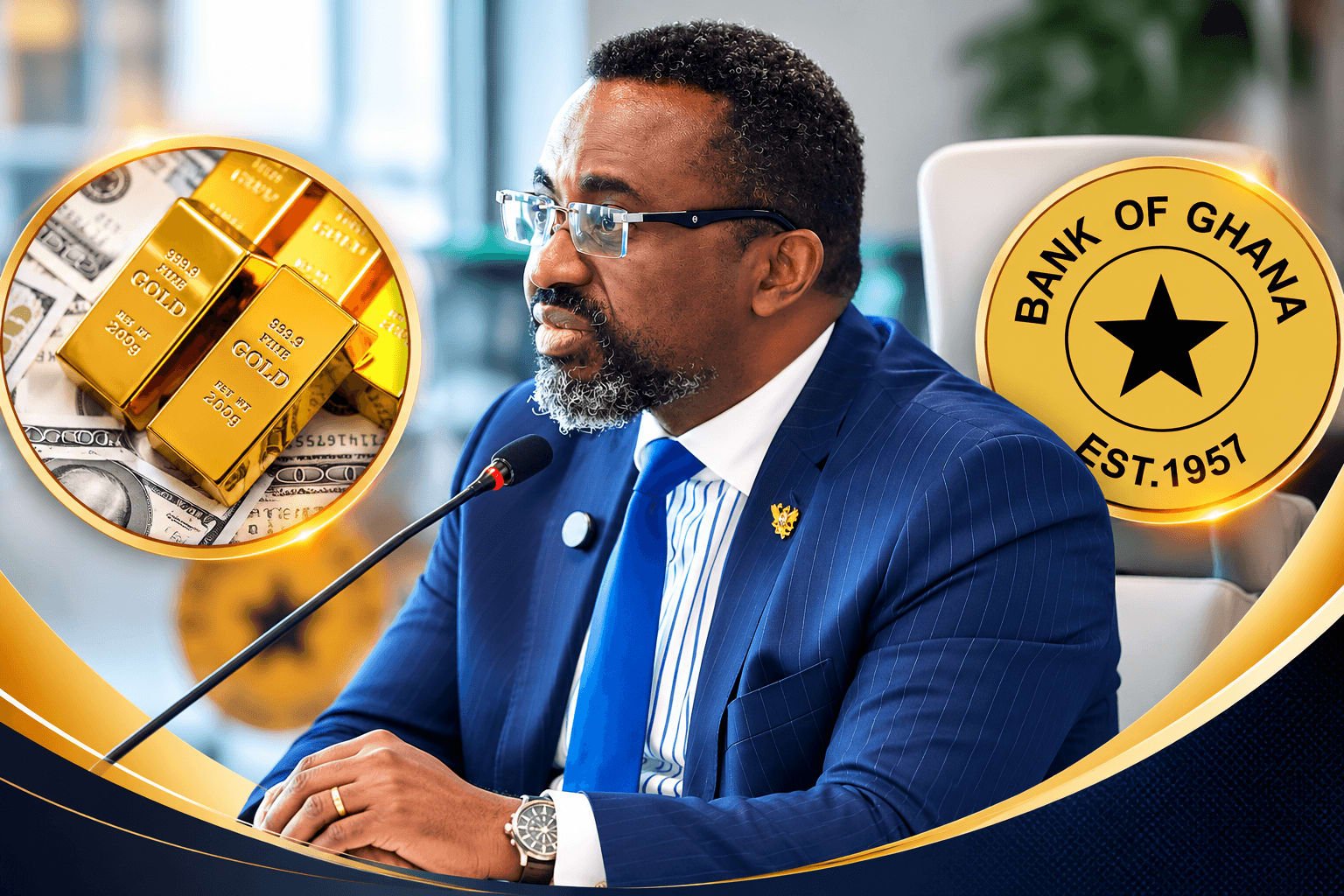
Ghana’s gross international reserves declined by approximately US$1.2 billion between March and June 2026 despite strong growth in export earnings, according to data presented by the Bank of Ghana. The development has sparked discussions among economists and financial analysts regarding the country’s reserve management strategy and the broader outlook for the economy.

The Bank of Ghana reported that the country’s reserve position fell to US$12.94 billion during the review period, reducing import cover from previous levels to approximately five months. The decline occurred even as export receipts, particularly from gold, recorded substantial growth.
Gold exports remain Ghana’s largest source of foreign exchange earnings. Recent figures indicate that earnings from gold exports have continued to rise, driven by strong international prices and sustained production. Analysts note that the precious metal has played a critical role in supporting the country’s external sector performance.

Despite the positive export performance, economists explain that reserves can decline for several reasons, including debt servicing obligations, foreign exchange interventions, government payments and reserve management decisions by the central bank. As a result, rising export earnings do not automatically translate into higher reserve levels.Financial market observers have noted that reserve adequacy remains an important indicator of economic stability. Strong reserves help countries meet external obligations, support their currencies and provide protection against global economic shocks.
Conversely, declining reserves can raise concerns about vulnerability to external pressures.The development comes amid continuing efforts by authorities to strengthen macroeconomic stability and maintain investor confidence. Ghana has implemented several economic reforms aimed at improving fiscal discipline, reducing inflation and supporting economic growth.Economic analysts have offered mixed assessments of the latest figures. While some view the decline as a temporary adjustment linked to broader reserve management strategies, others argue that policymakers should closely monitor reserve trends to ensure long-term sustainability.The central bank has continued to pursue policies aimed at strengthening the country’s financial position, including efforts to diversify reserve assets and improve foreign exchange inflows. Officials maintain that Ghana’s reserve position remains relatively strong compared to many developing economies.Market participants are expected to pay close attention to future reserve data and monetary policy decisions as they assess the country’s economic outlook. Investors, businesses and financial institutions often consider reserve levels when making decisions regarding investment and trade activities.

Economists further note that maintaining adequate reserves will be essential in supporting exchange rate stability, controlling inflationary pressures and ensuring confidence in the country’s financial system. They emphasize that reserve management remains a key component of broader economic policy.As global economic uncertainties continue to affect many countries, Ghana’s ability to manage its reserves effectively will remain an important factor in sustaining economic resilience and supporting long term development objectives
By: Oppong Richard