

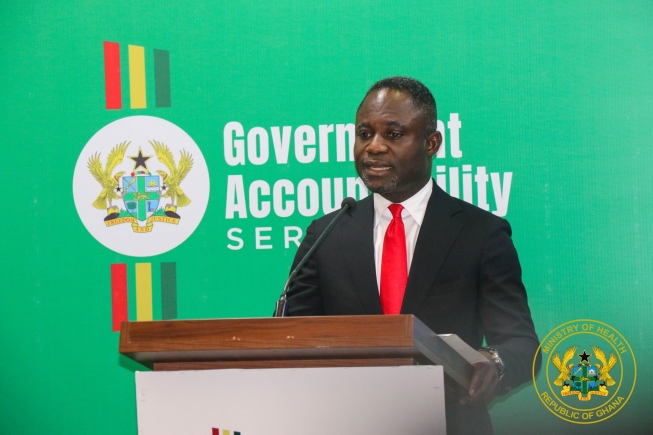
The Government of Ghana has secured doctoral scholarships for more than 30 health tutors as part of a broader strategy to strengthen specialist nursing education, improve the quality of healthcare training, and build a more resilient health workforce capable of meeting the country’s growing healthcare needs.
Minister for Health Kwabena Mintah Akandoh announced the initiative while outlining measures being implemented by the government to improve health education and healthcare delivery nationwide. According to him, the scholarships are intended to enhance the academic qualifications and professional expertise of tutors in health training institutions, enabling them to train future healthcare professionals more effectively.
The development comes at a time when Ghana’s healthcare system is facing increasing demand for highly skilled medical personnel, particularly in specialised nursing and allied health fields. Health sector experts have long argued that strengthening the quality of instructors in training institutions is essential to producing competent nurses, midwives, and other healthcare professionals capable of responding to evolving healthcare challenges.

Speaking on the government’s commitment to health sector reforms, Akandoh indicated that investments in tutor development form a critical pillar of efforts to improve healthcare outcomes. He noted that the government has already offered more than 30 PhD scholarships to nurse tutors within the past year as part of a deliberate policy to strengthen health training institutions.
The Health Minister explained that better trained educators will have a direct impact on the quality of healthcare services delivered across the country. By equipping tutors with advanced research skills and specialised knowledge, the government expects health training institutions to produce graduates who are better prepared to address emerging health challenges, including the growing burden of non communicable diseases and the increasing complexity of patient care.
The scholarship programme also aligns with broader efforts by the Ministry of Health to modernise health education and ensure that training institutions meet international standards. In recent months, the ministry has announced several initiatives aimed at improving healthcare infrastructure, expanding training capacity, and strengthening human resource development within the sector.
Ghana’s nursing and midwifery training institutions play a vital role in supplying healthcare workers to hospitals, clinics, and community health facilities across the country. However, education stakeholders have frequently highlighted the need for more lecturers and tutors with advanced qualifications to support specialised training programmes and improve research capacity.

The latest scholarship initiative is expected to help bridge this gap by increasing the number of doctoral level educators within the country’s health training system. The beneficiaries are expected to pursue advanced studies in various health related disciplines, including specialist nursing fields, healthcare management, and clinical research.
Industry observers believe the programme could significantly improve healthcare delivery over the long term. Advanced academic training for tutors is expected to enhance curriculum development, strengthen evidence based teaching practices, and encourage greater innovation within health education institutions.
The initiative is also consistent with the government’s wider agenda to improve healthcare accessibility and quality. Earlier this year, Akandoh disclosed that the government would require at least several hundred million dollars annually to support its flagship healthcare reforms, including the implementation of free primary healthcare services and expansion of healthcare infrastructure.
In addition to investing in education and training, the Ministry of Health has announced plans to recruit thousands of healthcare workers to address staffing shortages in various parts of the country. The government has also been exploring strategies to improve healthcare services in underserved communities, particularly rural areas where access to specialised care remains limited.
Health sector stakeholders have welcomed the scholarship programme, describing it as an important step toward building a sustainable and highly skilled healthcare workforce. They argue that strengthening the qualifications of tutors will create a multiplier effect throughout the health system, benefiting students, healthcare institutions, and ultimately patients.
As Ghana continues to pursue universal health coverage and improve healthcare outcomes, investments in human capital development are increasingly being viewed as essential. The government’s decision to support doctoral training for health tutors reflects a recognition that quality healthcare begins with quality education.
With the scholarships now secured, attention will shift to the successful implementation of the programme and the long term impact it could have on nursing education, healthcare training, and service delivery across Ghana. If successful, the initiative could help position the country’s health training institutions among the strongest in the region while contributing to improved healthcare outcomes for millions of Ghanaians.
AI and digital health will shape Africa’s healthcare future, says WHO chief