

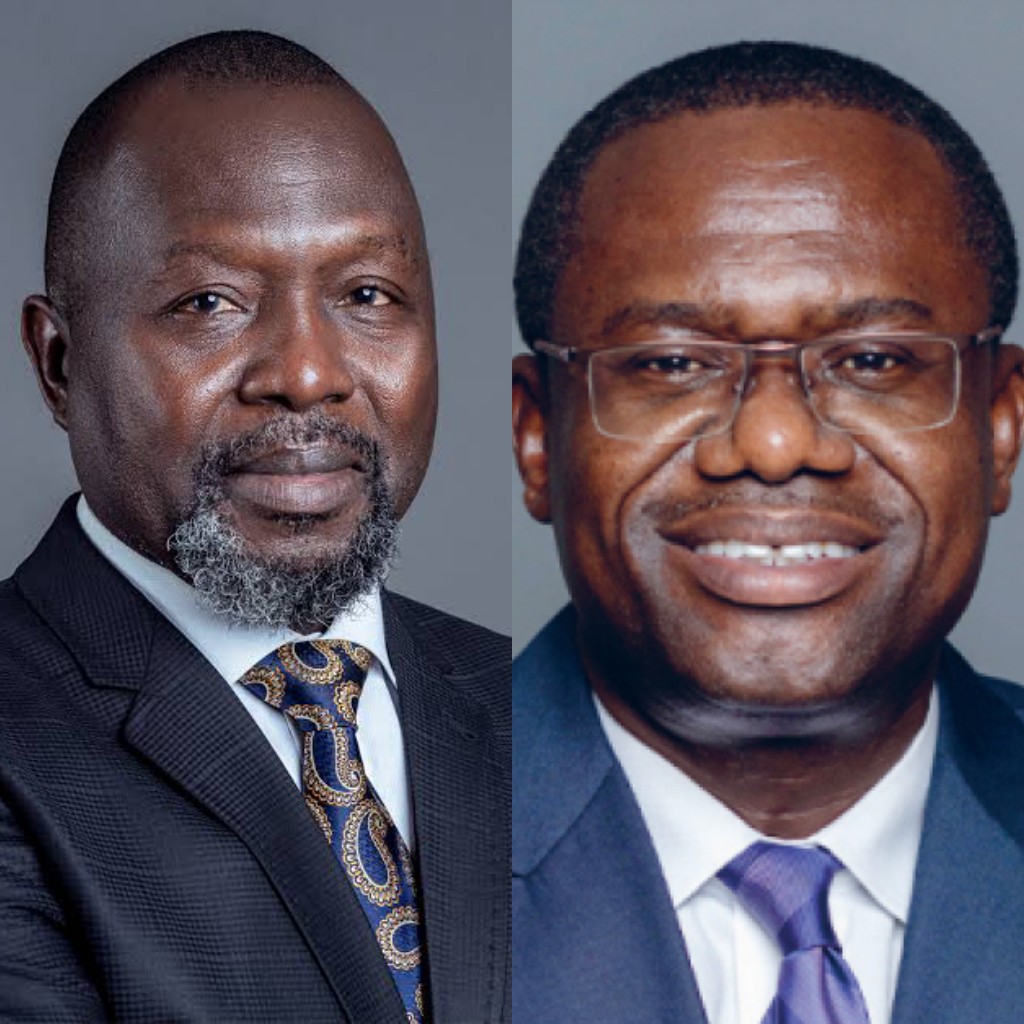
The Attorney General has initiated legal action against JA Plant Pool Ghana and the Chief Executive Officer of the Jospong Group, Dr Joseph Siaw Agyepong, seeking to recover an estimated 2 million US dollars in alleged excess payments linked to a District Road Improvement Programme contract.
The lawsuit, filed in the public interest, is aimed at retrieving state funds the Attorney General’s office believes were wrongly disbursed during the execution of road maintenance and improvement works under the DRIP initiative. The case has quickly become one of the latest high profile governance and public accountability actions involving major private sector contractors in Ghana’s infrastructure space.
According to details emerging from the filing, the state argues that payments made under the contract exceeded approved valuations for work executed. The Attorney General is therefore requesting the court to compel the defendants to refund the excess amount, which is approximately 2,000,000 US dollars, to the state. The suit also seeks further legal clarification on compliance with procurement and contract execution standards governing public infrastructure projects.

The DRIP programme, designed to improve road networks across districts, has been one of Ghana’s key infrastructure interventions, targeting rural and urban road rehabilitation. It typically involves multiple contractors working under government supervision, with payments tied to certified work completed on the ground. The current dispute, however, raises questions about valuation processes, contract oversight, and financial accountability within such large scale public projects.
While full court documents have not been publicly detailed, the Attorney General’s action signals heightened scrutiny of government related contracts and spending efficiency. It also reflects broader efforts by state authorities to enforce accountability in infrastructure procurement, particularly where public funds are involved.
JA Plant Pool, a major equipment and construction services company operating in Ghana, has been involved in various public sector contracts over the years, particularly in the provision of heavy duty machinery and civil engineering support services. Its CEO, Dr Joseph Siaw Agyepong, is also widely known as the founder of the Jospong Group of Companies, one of the largest indigenous conglomerates in Ghana with interests spanning waste management, sanitation, finance, and logistics.
The case places renewed attention on the intersection between government contracts and private sector implementation, especially in sectors where large scale equipment leasing and infrastructure services are required. Analysts note that such arrangements often involve complex billing structures, including equipment usage rates, mobilisation costs, and maintenance charges, which can sometimes lead to disputes over pricing accuracy and contract interpretation.
At the heart of the Attorney General’s suit is the claim that the state may have paid more than what was justified under agreed contractual terms. The recovery of 2 million US dollars is therefore being pursued as part of efforts to safeguard public funds and ensure that government expenditure reflects actual value for work delivered.
This development comes amid growing public demand for stronger fiscal discipline and transparency in public procurement processes. In recent years, Ghana has increased institutional emphasis on value for money audits, contract monitoring, and enforcement of procurement laws, particularly in infrastructure and construction projects that account for significant portions of national expenditure.

The case is expected to test the strength of contract enforcement mechanisms and could set a precedent for how excess payments in public contracts are handled going forward. Legal observers say the outcome may also influence how future government contracts are structured, especially in terms of verification of work completed before payment certification.
Neither JA Plant Pool nor representatives of Dr Joseph Siaw Agyepong have publicly detailed their legal defence at the time of reporting. However, in similar cases, contractors typically challenge such claims by presenting documentation of work completed, valuation certificates, and approvals from supervising engineers or government agencies.
As proceedings continue, the case is likely to attract significant public attention given the scale of the companies involved and the broader implications for public financial management in Ghana. It also adds to ongoing national discussions about contract accountability, procurement transparency, and the efficiency of state funded infrastructure programmes.
Ghana expresses solidarity with Mali after deadly attacks and issues travel advisory