

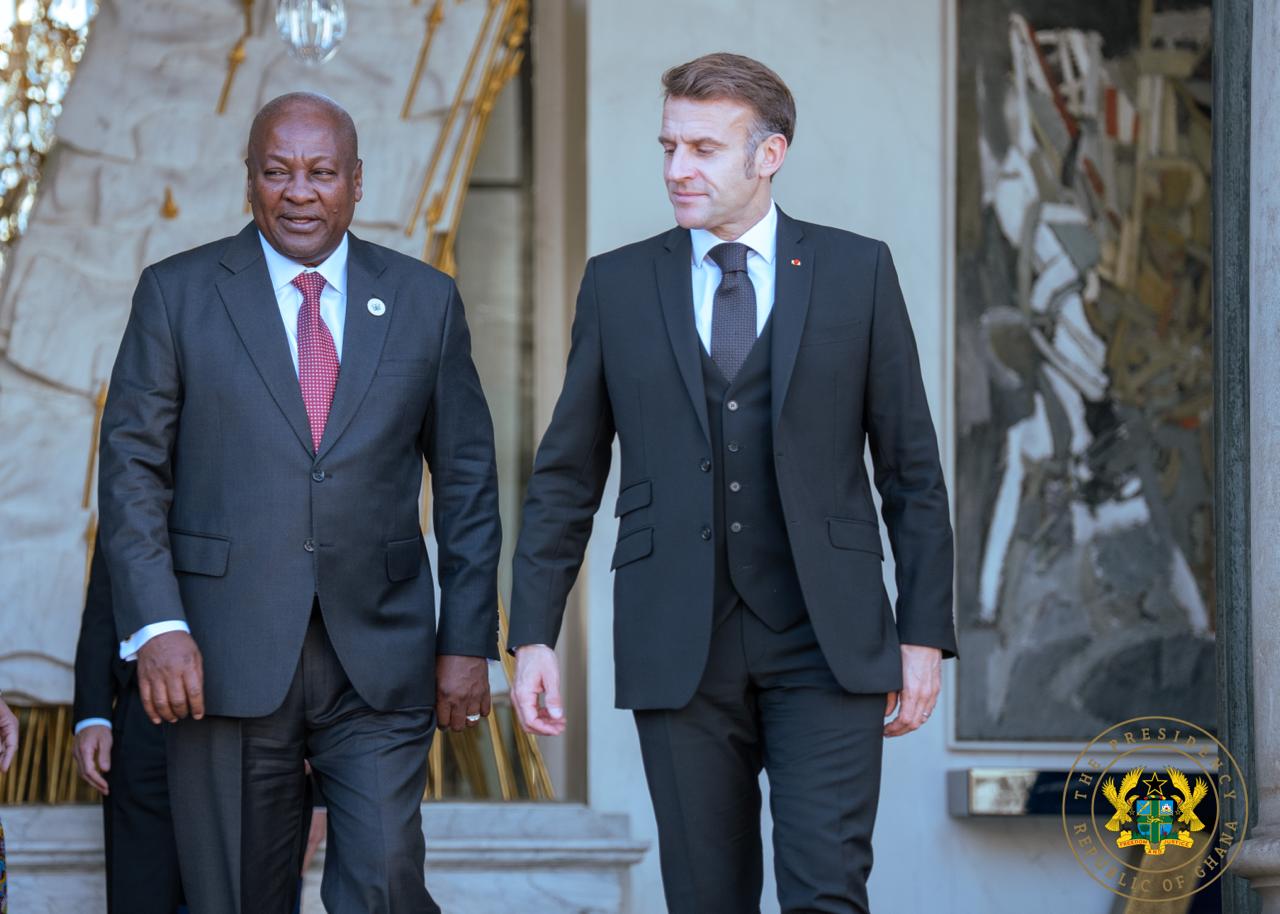
The Government of Ghana has expressed strong satisfaction with what it describes as growing global momentum toward reparatory justice, following a series of major international developments linked to historical slavery and colonial injustices.
Officials say the recent progress validates Ghana’s diplomatic push at the United Nations, particularly a landmark resolution spearheaded by President John Mahama that declared transatlantic enslavement as the gravest crime against humanity. The resolution, adopted by 123 member states on March 25, has increasingly become a reference point in global conversations on reparations and historical accountability.
The latest developments include a historic decision by lawmakers in France to unanimously repeal the infamous Code Noir, a set of slave laws introduced in 1685 under Louis XIV. The legislation, which contained 60 articles, institutionalised slavery by classifying Africans as property and legally sanctioning brutal punishments, including mutilation.
French legislators voted 254 to zero to abolish the code, marking what analysts describe as a symbolic but significant step toward confronting the legacy of slavery in Europe. The move has been widely interpreted as part of a broader shift in Western nations toward acknowledging and addressing historical injustices tied to the transatlantic slave trade.
In a parallel development, Pope Leo XIV issued an apology for the role played by the Catholic Church in the history of slavery. The Vatican’s acknowledgement adds to a growing list of institutions reassessing their historical involvement in slavery and colonial exploitation.

The Government of Ghana has formally welcomed the Pope’s apology, describing it as a commendable act of moral leadership. Officials say such gestures, though symbolic, contribute to building a foundation for meaningful dialogue and action on reparatory justice.
Ghana’s position reflects a broader African perspective that reparations are not merely about financial compensation but also about recognition, accountability and structural transformation. The government has consistently argued that addressing the legacy of slavery requires a comprehensive approach that includes economic, social and cultural redress.
The recent actions by France and the Vatican are being viewed in Accra as evidence that the international community is beginning to respond to calls that have long been championed by African nations and diaspora communities. Authorities say these developments demonstrate the “consequential power” of the UN resolution led by Ghana.
For years, discussions around reparatory justice were often dismissed in some quarters as symbolic or unrealistic. However, the increasing number of institutional acknowledgements and policy shifts suggests that the issue is gaining traction at the highest levels of global governance.
Analysts note that the repeal of Code Noir, while largely symbolic given that the law has long been obsolete in practice, carries deep historical significance. It represents an official rejection of a legal framework that once legitimised slavery and dehumanisation, sending a strong message about modern values and accountability.

Similarly, the Pope’s apology reflects a growing willingness among global institutions to confront uncomfortable aspects of their history. Religious institutions, governments and corporations are increasingly being called upon to address their roles in systems that enabled slavery and exploitation.
Ghana has positioned itself at the forefront of this movement, leveraging its historical connection to the transatlantic slave trade and its diplomatic influence to advocate for global recognition and action. The country has hosted several international forums on reparations and continues to push for coordinated strategies among African states.
The next major step in this process will be a high level conference on reparatory justice scheduled to take place in Accra from June 17 to 19, 2026. The event, to be convened by President Mahama, aims to build on recent gains and develop a unified approach among stakeholders.
Officials say the conference will bring together policymakers, academics, civil society groups and international partners to outline practical pathways for advancing reparatory justice. Discussions are expected to focus on legal frameworks, economic strategies and mechanisms for global cooperation.
Ghana’s leadership believes that the current momentum presents a unique opportunity to transform decades of advocacy into tangible outcomes. Authorities remain optimistic that sustained international engagement will lead to comprehensive solutions that address the enduring impacts of slavery.

While challenges remain, including differing views on the scope and implementation of reparations, recent developments suggest that the conversation is evolving from symbolic recognition toward actionable commitments.
As global attention continues to shift toward historical accountability, Ghana maintains that the pursuit of reparatory justice is both a moral imperative and a necessary step toward achieving equity and dignity for affected communities.
Foreign Affairs Minister outlines UN adoption of landmark slavery resolution