

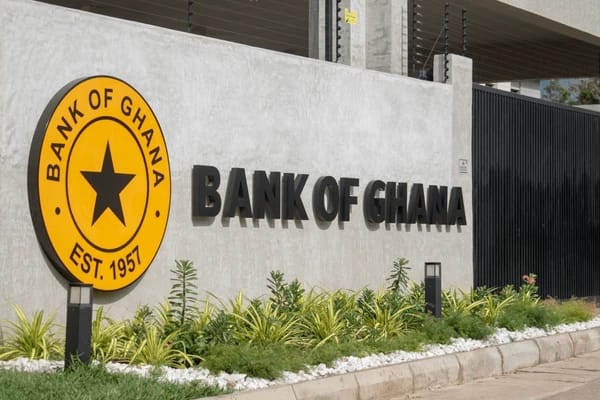
The Bank of Ghana has reportedly filed a suit at the Supreme Court challenging the recent Court of Appeal ruling that ordered the restoration of the licence of GN Savings and Loans Company Limited, escalating one of Ghana’s longest running legal battles linked to the country’s controversial financial sector clean up exercise.
The latest development follows a unanimous decision by a three member panel of the Court of Appeal on May 21, 2026, which overturned an earlier High Court judgment and directed the central bank to restore the operating licence of GN Savings and Loans. The appellate court also ordered that the company’s assets and operations be handed back to its shareholders and former management.
According to reports by GhanaWeb and Joy Business, the central bank has now moved to the Supreme Court in an attempt to reverse the Court of Appeal’s ruling, arguing that the judgment could carry wider implications for Ghana’s financial sector clean up programme and potentially affect other revoked licences from the banking reforms initiated in 2018.

GN Savings and Loans became one of the most high profile casualties of Ghana’s banking sector reforms after the institution, formerly known as GN Bank, had its universal banking licence downgraded in January 2019 before its savings and loans licence was eventually revoked in August 2019 by the Bank of Ghana under the leadership of former Governor Ernest Addison.
At the time, the central bank justified the revocation on grounds including insolvency concerns, governance failures, inadequate capital buffers, liquidity challenges and alleged irregular financial practices. The Bank of Ghana also argued that the institution failed to meet regulatory requirements and posed risks to depositors and financial system stability.
The owners of GN Savings and Loans, led by businessman and politician Paa Kwesi Nduom, challenged the revocation in court in August 2019, describing the decision as unlawful, malicious and unreasonable.
In January 2024, the High Court ruled in favour of the Bank of Ghana, holding that the central bank acted lawfully in revoking the company’s licence. The court concluded that governance deficiencies had rendered the institution unable to meet its debt obligations and dismissed claims that the regulator acted unfairly or outside its legal mandate.

However, the Court of Appeal overturned that decision in May 2026, declaring the revocation unfair and unreasonable. The ruling represented a major legal victory for Groupe Nduom after nearly seven years of litigation.
Following the appellate ruling, reports indicated that GN Savings and Loans had begun preparing for a phased return to operations, with plans to reopen branches gradually beginning from Elmina.
The Bank of Ghana initially stated that it was awaiting legal advice from its external lawyers and the appointed receiver before determining its next course of action. Financial analysts and banking consultants had predicted that the central bank would likely proceed to the Supreme Court because of the broader implications the ruling could have on Ghana’s financial sector reforms.
The banking sector clean up exercise carried out between 2017 and 2020 resulted in the revocation of licences of several banks, savings and loans companies, microfinance institutions and fund management firms. Authorities at the time argued that the reforms were necessary to protect depositors, restore confidence in the financial system and prevent systemic collapse within the banking industry.
Supporters of the clean up exercise maintain that the reforms strengthened Ghana’s financial system by removing distressed institutions and improving regulatory supervision. Critics, however, have continued to argue that some institutions were unfairly targeted and that the process caused significant job losses and financial hardship for customers and investors.

The Supreme Court challenge now sets the stage for another critical legal showdown that could shape future interpretations of regulatory powers exercised during Ghana’s banking sector reforms. Legal experts say the outcome may influence how courts assess administrative decisions by financial regulators and could affect future disputes involving revoked financial licences.
As the legal process continues, attention remains fixed on whether the Supreme Court will uphold the Court of Appeal’s decision or restore the earlier High Court judgment that validated the Bank of Ghana’s actions during the banking sector clean up.