

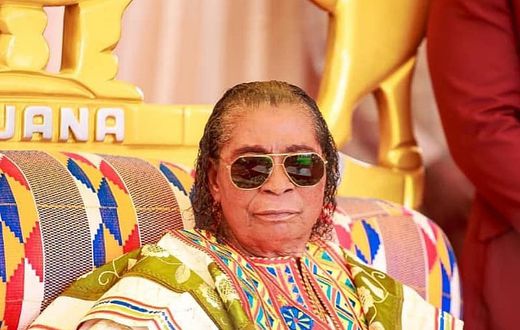
The final funeral rites for Ghanaian inventor, religious leader and industrialist Kwadwo Safo Kantanka have been scheduled for July 30, 2026, with the nation expected to gather to honour his life and legacy.
According to reports from the family and confirmed arrangements, the ceremony will mark the official farewell to the late founder of the Kristo Asafo Mission and Kantanka Group, whose contributions to religion, innovation and local manufacturing have left a significant imprint on Ghana’s development story.
The funeral rites are expected to attract high level attendance, including government officials, traditional leaders, religious figures, business executives, and supporters from across Ghana and beyond. The event will celebrate his decades of work in promoting African industrialisation, faith based leadership, and local technological innovation.

Kwadwo Safo Kantanka, widely known for his pioneering efforts in building locally made vehicles and machinery through the Kantanka Automobile brand, passed away on September 11, 2025. His death was officially announced by the family and later confirmed in public records.
Since his passing, preparations for his final burial have been underway, with the family engaging traditional authorities and state institutions to ensure a dignified national farewell. The selection of July 30 for the final rites reflects the extensive planning required for an event expected to draw large crowds and national attention.
Born in 1948 in Bekwai in the Ashanti Region, Safo Kantanka rose from humble beginnings to become one of Ghana’s most recognised inventors and spiritual leaders. Through the Kristo Asafo Mission, he combined religious teachings with industrial innovation, establishing a unique legacy that blended faith, technology and entrepreneurship.

His Kantanka brand became a symbol of local manufacturing ambition, producing vehicles, electronics and machinery designed to promote self reliance in Africa. Over the years, he built a reputation as a visionary who encouraged local production and challenged Ghana to reduce dependency on imports.
Beyond industry, he was also deeply involved in philanthropy and community development, supporting education and social initiatives through his church and foundation structures.
The announcement of the July 30 funeral rites has already begun to generate public interest, with many Ghanaians preparing to pay their final respects to a figure widely regarded as one of the country’s most influential modern innovators.
Further details on the programme of activities for the burial are expected to be released by the family and organising committee in the coming weeks.