


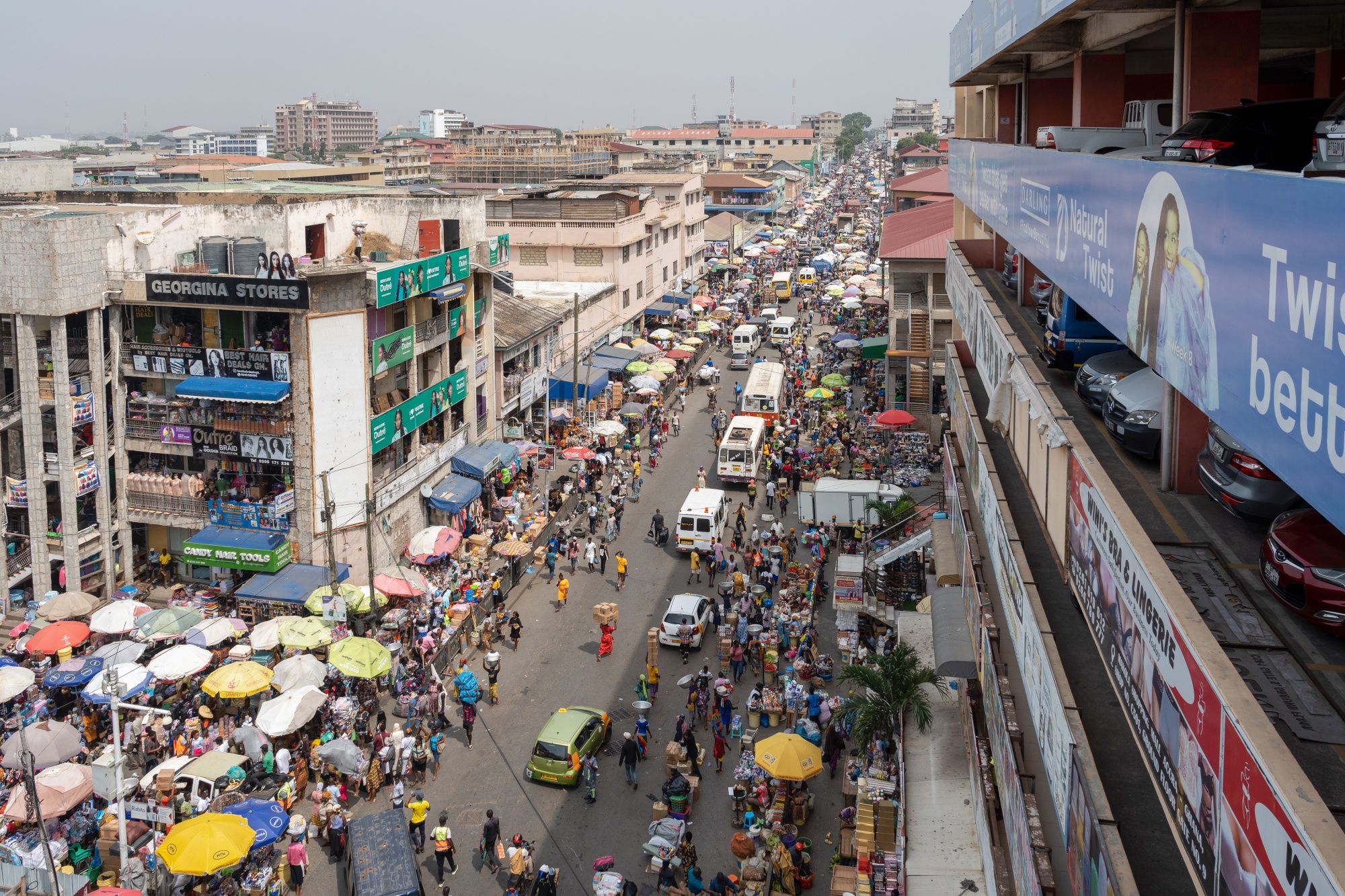
Economic activity in Ghana recorded strong expansion in February 2026, with the economy growing by 7.7% year on year, according to the latest Monthly Indicator of Economic Growth released by the Ghana Statistical Service.
The figure reflects a broad based improvement in economic performance, driven by stronger output across key sectors including industry, services, and agriculture. The Monthly Indicator of Economic Growth is used by the statistical service to track short term changes in economic activity before quarterly and annual GDP figures are released.
The 7.7% expansion signals a notable improvement in momentum compared to previous months, suggesting that economic recovery and growth stabilisation efforts may be gaining traction. Analysts often use such monthly indicators to assess early signals of business cycle performance, consumer activity, and industrial output.

According to the Ghana Statistical Service, the growth was supported by increased activity in sectors such as manufacturing, construction, trade, transport, and information services. These sectors typically respond quickly to changes in demand, investment flows, and government spending patterns.
The industrial sector is believed to have played a significant role in the expansion, with improved performance in mining, quarrying, and manufacturing activities. Ghana’s mining sector, particularly gold production, continues to be a key contributor to foreign exchange earnings and overall economic output.
The services sector, which accounts for a large share of Ghana’s economy, also showed resilience. Growth in financial services, telecommunications, trade, and hospitality contributed to the overall performance, reflecting increased consumer activity and business confidence.

Agriculture, while more stable and less volatile than other sectors, remains a foundational part of the economy. Improvements in crop production, livestock, and fisheries likely contributed to the positive overall figure, although the sector typically grows at a slower pace compared to industry and services.
The 7.7% year on year growth figure is significant because it reflects real time economic momentum rather than lagged annual data. Monthly indicators help policymakers and investors understand short term trends, especially in environments where inflation, currency pressures, and external shocks can quickly affect economic conditions.
Ghana’s economy has faced a complex mix of challenges in recent years, including inflationary pressures, debt restructuring concerns, and exchange rate fluctuations. However, recent data points suggest that economic activity may be gradually stabilising as fiscal and monetary policy adjustments take effect.
The release of stronger growth figures is also important for investor sentiment. Improved economic performance can influence capital inflows, stock market activity, and business expansion decisions, particularly in emerging markets where macroeconomic stability is closely monitored.

Economists caution, however, that monthly growth indicators should be interpreted alongside inflation trends, employment data, and external sector performance to get a full picture of economic health. A single month of strong growth does not necessarily indicate a sustained trend, but it does provide a positive signal.
If sustained, such growth levels could support government revenue mobilisation efforts and strengthen Ghana’s medium term economic outlook. It could also help improve business confidence and support job creation across key sectors.
The Ghana Statistical Service is expected to release further updates in the coming months, which will help determine whether the February performance marks a temporary spike or part of a broader upward trajectory in economic activity.
Ghana 8th largest economy in Africa by 2026