

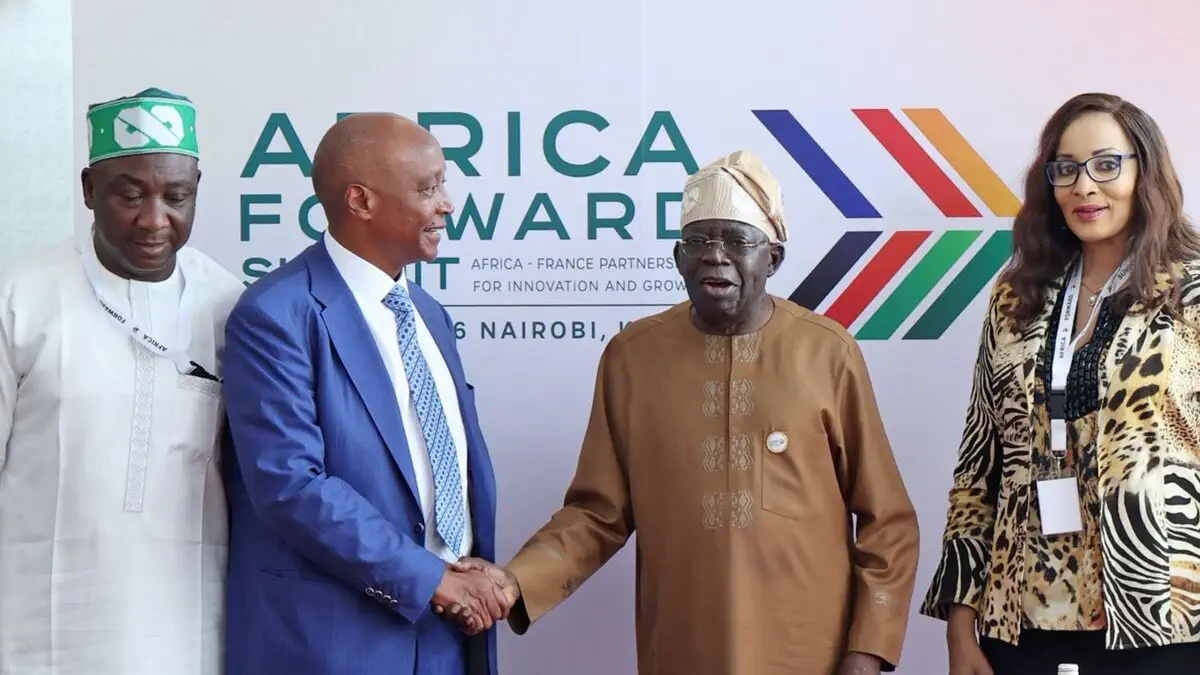
Nigeria has been selected to host two of African football’s most important gatherings in 2026, the CAF Awards and the CAF General Assembly, marking a major moment for the country’s growing influence in continental football administration.
The events will be organised by Confederation of African Football, the body responsible for overseeing football across Africa. The CAF Awards celebrate the best players, coaches, and teams on the continent, while the General Assembly brings together football leaders to make key decisions about the sport’s future.
Hosting both events positions Nigeria as a central hub for African football in 2026. The CAF Awards typically attract top players, coaches, and global football stakeholders, making it one of the most high profile nights in African sport. Meanwhile, the General Assembly is where major policy decisions, elections, and strategic directions for African football are discussed and approved.

For Nigeria, the opportunity goes beyond football. It is also about soft power, visibility, and economic activity. Large scale events like these bring in international visitors, media attention, sponsorship deals, and tourism revenue. Cities hosting such events often see boosts in hospitality, transport, and local business engagement.
The decision also reflects confidence in Nigeria’s ability to organise major international sporting events. The country has a long history with African football, both in terms of performance and administration, and remains one of the continent’s most influential football nations.
From a sporting perspective, the CAF Awards will once again spotlight Africa’s best talents, including players competing in top European leagues as well as those excelling within the continent. The ceremony often shapes narratives around African football excellence and global recognition.

The General Assembly, on the other hand, carries more weight behind the scenes. It is where federations discuss governance reforms, competition structures, financial matters, and development strategies. With African football evolving rapidly, especially in areas like broadcasting, youth development, and infrastructure, the 2026 meeting is expected to be particularly significant.
Nigeria’s hosting role may also strengthen its position within CAF’s political landscape. Being the venue for both a celebratory event and a high level decision making forum places the country at the centre of key conversations about the future of African football.
However, hosting such events comes with expectations. Organisation, security, infrastructure, and logistics will all be under scrutiny. Delivering a smooth and successful experience will be crucial, especially given the global attention these events attract.

If executed well, the 2026 CAF Awards and General Assembly could reinforce Nigeria’s status not just as a football powerhouse on the pitch, but also as a leader in shaping the direction of the sport across Africa.