

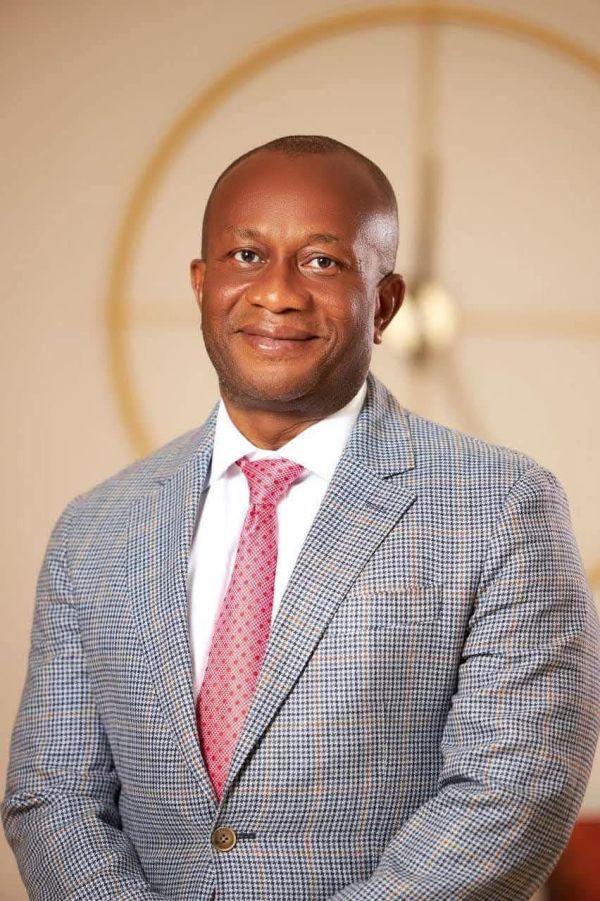
Ghana’s pension sector has recorded significant expansion, with assets under management rising from ₵88 billion to ₵108 billion within just 12 months, according to Christopher Boadi-Mensah, Chief Executive Officer of the National Pensions Regulatory Authority.
The ₵20 billion increase represents a substantial leap in pension fund growth, reflecting stronger contributions, improved investment performance, and increased participation in the country’s retirement savings system. The development highlights growing confidence in Ghana’s pension framework and its ability to mobilise long term capital.
The expansion of assets under management is a key indicator of the health of the pension industry. It suggests that more workers are contributing consistently, while fund managers are generating returns that support overall growth. Over the past decade, Ghana’s three tier pension scheme has gradually matured, with private pension funds playing an increasingly important role alongside the public system.

The rise in pension assets also signals deeper financial market activity. Pension funds are among the largest institutional investors in Ghana, and their growing asset base provides capital for investments in government securities, corporate bonds, equities, and infrastructure projects. This makes the sector a critical driver of economic development.
A significant portion of pension funds is typically invested in government instruments, which offer relatively stable returns and help finance public spending. However, there has been increasing discussion around diversifying investments into other asset classes to boost returns and support private sector growth.
The growth from ₵88 billion to ₵108 billion may also reflect improved regulatory oversight by the National Pensions Regulatory Authority. Stronger supervision and compliance measures can enhance transparency, protect contributors, and build trust in the system.
Additionally, demographic factors are contributing to the expansion. Ghana’s growing workforce means more contributors are entering the pension system, while awareness campaigns and policy reforms have encouraged greater participation, particularly in the informal sector.

Despite the positive trend, challenges remain. Pension coverage in Ghana is still relatively low compared to the size of the workforce, especially among informal workers who make up a large portion of the economy. Expanding coverage will be critical to ensuring long term sustainability and inclusiveness.
Another key issue is inflation. While assets are growing in nominal terms, maintaining real value is essential to protect the purchasing power of retirees. This places pressure on fund managers to deliver returns that outpace inflation while managing risk effectively.
The rapid increase in assets also raises expectations for improved retirement outcomes. Contributors will be looking for stronger benefits, timely payments, and efficient fund management as the system continues to grow.
For policymakers, the expanding pension pool presents both an opportunity and a responsibility. On one hand, it provides a stable source of long term financing for national development. On the other, it requires careful regulation to ensure funds are invested prudently and safeguarded against risks.

The announcement by Christopher Boadi-Mensah underscores the progress being made in Ghana’s pension sector, positioning it as one of the key pillars of the country’s financial system.
As assets continue to grow, the focus will increasingly shift toward sustainability, inclusiveness, and ensuring that the benefits of this expansion translate into meaningful financial security for retirees.