

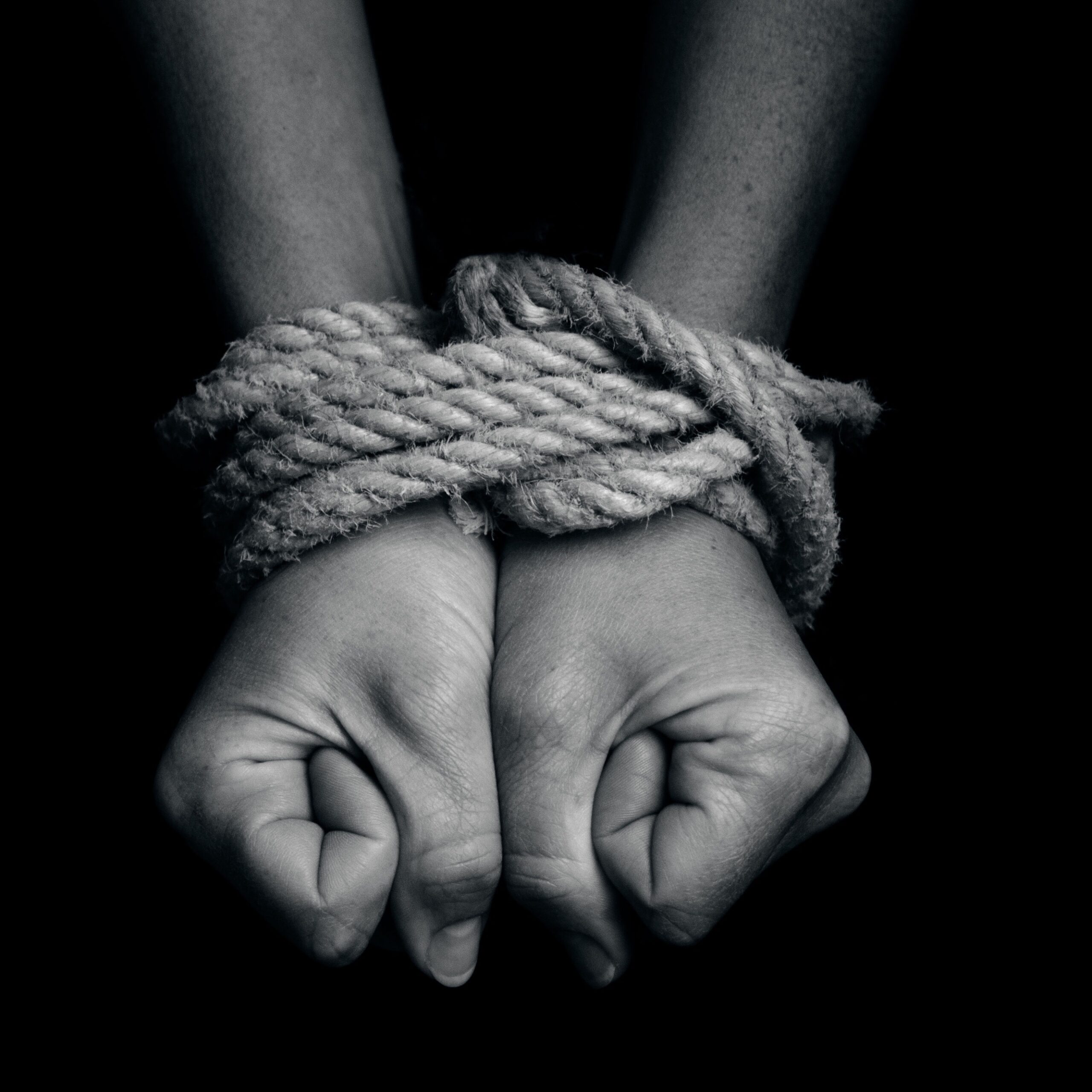
Authorities in Ghana have successfully rescued and repatriated 28 citizens who were victims of a sophisticated human trafficking network operating in Côte d’Ivoire, highlighting ongoing risks faced by young people seeking opportunities abroad.
According to officials, the victims had been lured with promises of well paying jobs and a better life in Europe. Traffickers reportedly extorted large sums of money from them under the pretext of facilitating travel arrangements and documentation. Instead of reaching their intended destinations, the victims found themselves trapped in exploitative conditions.
The rescue operation, described as a coordinated effort involving security agencies and diplomatic channels, led to the safe return of all 28 individuals to Ghana. Authorities confirmed that the victims are now receiving support, including medical care, counselling, and reintegration assistance.

The government, under the leadership of John Mahama, has reaffirmed its commitment to protecting citizens abroad, stating that no Ghanaian in distress will be abandoned. The statement underscores a broader policy direction aimed at strengthening consular support and rapid response mechanisms for citizens caught in crisis situations outside the country.
Human trafficking remains a significant issue across West Africa, with criminal networks increasingly targeting young people through deceptive recruitment schemes. These operations often exploit unemployment, economic hardship, and the desire for migration, using social media, informal agents, and word of mouth to identify potential victims.
Experts warn that such networks are becoming more organised and sophisticated, making detection and prevention more difficult. Victims are frequently moved across borders within the region before being subjected to forced labour, exploitation, or further trafficking attempts toward Europe.
The latest case reflects a common pattern where individuals are promised safe passage to Europe but are instead stranded in transit countries. In many instances, victims are pressured into paying additional fees or are forced into exploitative situations to repay debts imposed by traffickers.

Authorities are urging Ghanaian youth to exercise caution and verify any overseas job or travel opportunities through official channels. They stress that legitimate migration processes do not involve informal payments to unverified agents or unrealistic promises of guaranteed travel and employment.
Public awareness is being positioned as a key tool in combating trafficking. Government agencies, civil society organisations, and international partners have been working to educate communities on the tactics used by traffickers and the risks associated with irregular migration.
At the same time, there are calls for stronger regional cooperation to dismantle trafficking networks. Given the cross border nature of these operations, collaboration between countries such as Ghana and Côte d’Ivoire is seen as essential in tracking, intercepting, and prosecuting those involved.
The rescue also highlights the importance of intelligence gathering and rapid intervention. Security analysts note that timely information sharing between agencies can significantly improve the chances of rescuing victims before they are moved further along trafficking routes.

For the victims, the focus now shifts to recovery and reintegration. Many returnees face psychological trauma, financial loss, and social stigma. Support programmes are therefore critical in helping them rebuild their lives and avoid falling back into similar situations.
The government has reiterated its appeal to the public to report suspicious recruitment activities and trafficking cases to the appropriate authorities. Strengthening community level vigilance is considered vital in preventing future incidents.
While the successful rescue of the 28 Ghanaians represents a positive outcome, officials acknowledge that the fight against human trafficking is far from over. As long as economic pressures and migration aspirations persist, traffickers will continue to exploit vulnerabilities.
The message from authorities is clear: opportunities abroad should be pursued through safe, legal, and verified pathways, not through promises that appear too good to be true.
49 Nigerians arrested by EOCO for alleged human trafficking and cyber crimes.