

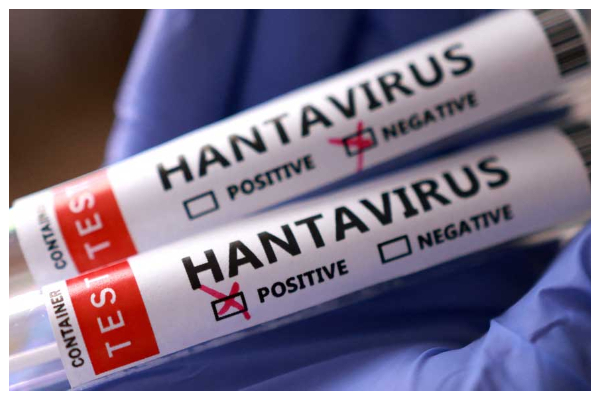
The Ghana Health Service has assured the public that robust surveillance systems are in place to detect and respond to any potential cases of Hantavirus, as global attention grows following recent outbreaks reported in other parts of the world.
Health officials say the country has not recorded any confirmed cases of the virus, but precautionary measures have been intensified to prevent possible importation and local transmission. The reassurance comes amid heightened concern after reports of infections linked to a cruise vessel off the coast of West Africa, raising awareness about the virus and its potential risks.
According to the Ghana Health Service, surveillance has been strengthened at key points of entry, including airports and seaports, where health screening protocols are being closely monitored. The agency has also directed regional and district health directorates to remain vigilant and report any suspected cases immediately for investigation.

Hantavirus is primarily transmitted to humans through contact with infected rodents or their urine, droppings, and saliva. In some cases, individuals may become infected by inhaling particles contaminated by rodent waste, particularly in enclosed or poorly ventilated environments. Health experts note that the virus is not commonly spread from person to person, although rare exceptions have been recorded in specific strains.
The Ghana Health Service emphasised that public awareness remains a key line of defence. Citizens have been advised to maintain proper hygiene, avoid contact with rodents, and ensure that homes and workplaces are kept clean and free from infestations. Proper storage of food and waste management practices are also being encouraged to minimise exposure risks.
Medical professionals have been briefed to recognise early symptoms associated with Hantavirus infection, which can include fever, fatigue, muscle aches, and, in severe cases, respiratory complications. Early detection is critical, as the disease can escalate rapidly if not managed promptly.

The Service also indicated that Ghana’s existing public health infrastructure, strengthened through past responses to outbreaks such as Ebola and COVID-19, provides a solid foundation for handling emerging infectious threats. These systems include disease surveillance networks, laboratory testing capacity, and rapid response teams that can be deployed if necessary.
In collaboration with international health bodies, including the World Health Organization, Ghana continues to monitor global developments related to Hantavirus and other emerging diseases. This partnership allows for timely access to technical guidance, data sharing, and coordinated response strategies.
Health authorities have further reassured the public that there is no cause for panic. While the virus can be serious, the risk of widespread transmission remains low, particularly when preventive measures are followed. Officials stress that vigilance, rather than fear, is the appropriate response.
The renewed focus on surveillance also reflects a broader shift in global health strategy, where countries are increasingly prioritising early detection and prevention over reactive measures. Lessons from recent pandemics have underscored the importance of preparedness, especially in an interconnected world where diseases can cross borders rapidly.

For Ghana, maintaining public trust will be essential. The Ghana Health Service has therefore committed to transparent communication, promising to provide timely updates should the situation change. This approach aims to counter misinformation and ensure that citizens have access to accurate and reliable information.
Public health experts say that while Ghana’s proactive stance is commendable, sustained investment in healthcare systems, research, and community engagement will be necessary to manage not only Hantavirus but future health threats as well.
As the situation evolves globally, Ghana’s emphasis on surveillance, awareness, and preparedness positions it to respond effectively to potential risks, reinforcing confidence in the country’s ability to safeguard public health.
Icebreaking cruise MV Hondius hit by suspected hantavirus outbreak off Cape Verde coast