

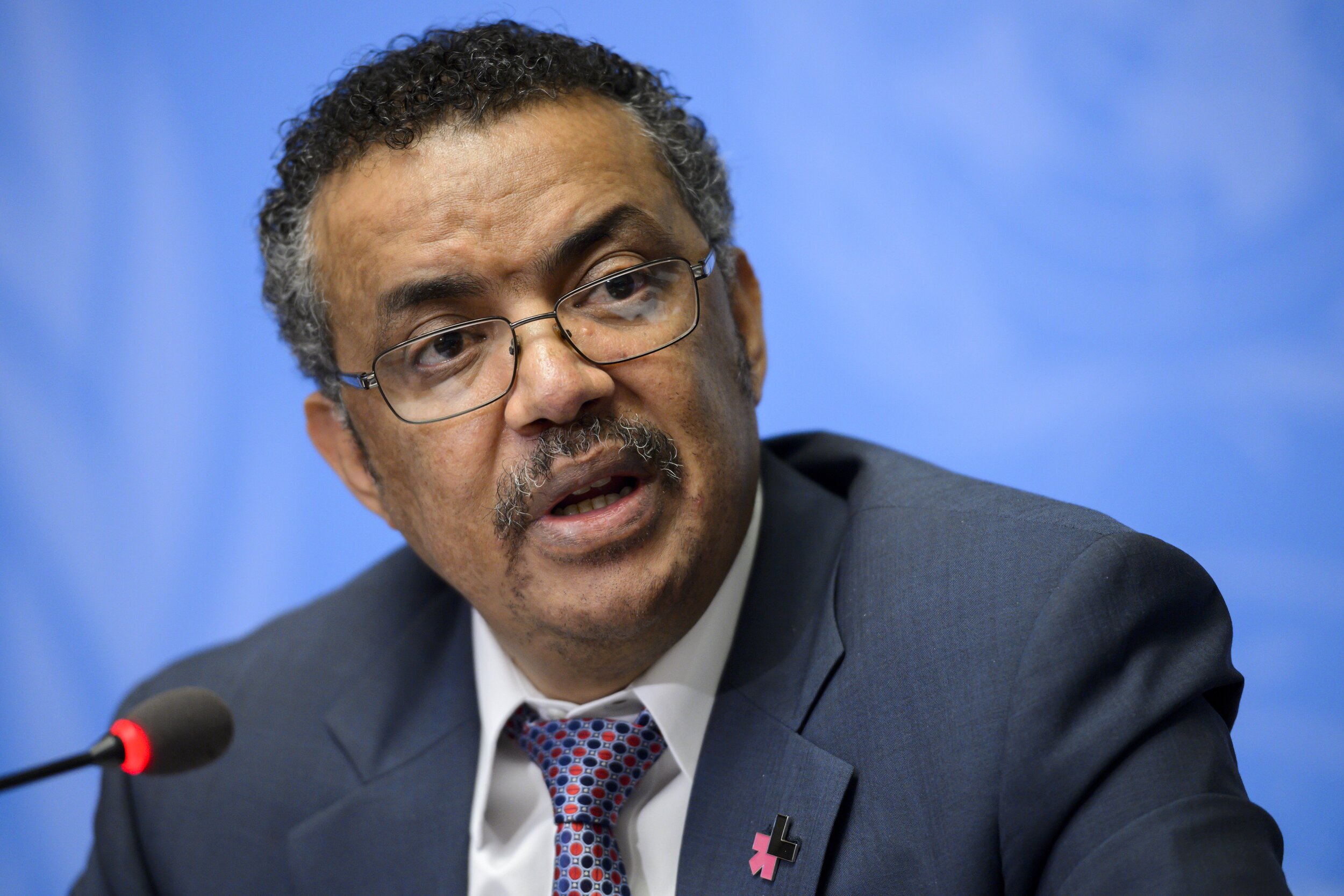
The Director-General of the World Health Organization, Tedros Adhanom Ghebreyesus, has underscored the growing importance of digital technologies and artificial intelligence in transforming healthcare systems across Africa, arguing that innovation will be central to building resilient and equitable health services on the continent.
Speaking on the future of healthcare delivery, Dr Tedros pointed to the rapid evolution of Artificial Intelligence and digital health tools as a major opportunity for African countries to leapfrog traditional barriers that have long constrained access to quality care. He stressed that while infrastructure gaps and workforce shortages remain persistent challenges, technology offers a pathway to scale solutions more efficiently and inclusively.
His remarks come at a time when many African health systems are still recovering from the long-term impacts of the COVID-19 pandemic, which exposed deep structural weaknesses, including limited access to care, fragmented data systems, and under-resourced facilities. According to global health experts, digital transformation could help address some of these gaps by improving data management, expanding remote care, and enhancing decision-making.

Dr Tedros highlighted that artificial intelligence can support early disease detection, improve diagnostic accuracy, and optimise resource allocation within health systems. For instance, AI-powered tools can assist clinicians in identifying patterns in patient data, predicting disease outbreaks, and streamlining treatment protocols. In regions where specialist doctors are scarce, such technologies could significantly improve outcomes by supporting frontline healthcare workers.
He also emphasised the role of digital platforms in expanding access to healthcare services, particularly in rural and underserved communities. Telemedicine, mobile health applications, and electronic health records are increasingly being adopted across parts of Africa, enabling patients to receive consultations, monitor chronic conditions, and access medical information without the need for physical visits to healthcare facilities.
However, the WHO chief cautioned that the adoption of digital health solutions must be guided by strong governance frameworks. Issues such as data privacy, cybersecurity, and equitable access remain critical concerns. Without proper safeguards, the same technologies that promise to improve healthcare could also deepen inequalities or expose sensitive patient information to risks.

Another key point raised was the need for investment in human capital. Technology alone is not enough. Countries must train healthcare workers, data scientists, and policymakers to effectively integrate digital tools into existing systems. Building local capacity will be essential to ensure that innovations are sustainable and tailored to the specific needs of African populations.
Dr Tedros also called for stronger collaboration between governments, private sector players, and international partners. He noted that innovation ecosystems thrive when there is coordinated support, funding, and policy alignment. Partnerships will be crucial in scaling successful pilot projects into national and regional healthcare solutions.
The push for digital health aligns with broader continental initiatives aimed at strengthening health systems and achieving universal health coverage. By leveraging technology, African countries have an opportunity to accelerate progress toward these goals while reducing costs and improving efficiency.

Despite the optimism, experts warn that uneven access to internet connectivity, electricity, and digital infrastructure could limit the reach of these innovations. Bridging the digital divide will therefore be a key priority if the benefits of AI and digital health are to be widely shared.
Dr Tedros’ message reflects a growing consensus within the global health community that the future of healthcare is increasingly digital. For Africa, the challenge will not only be adopting these technologies but doing so in a way that ensures inclusivity, sustainability, and long-term impact.