

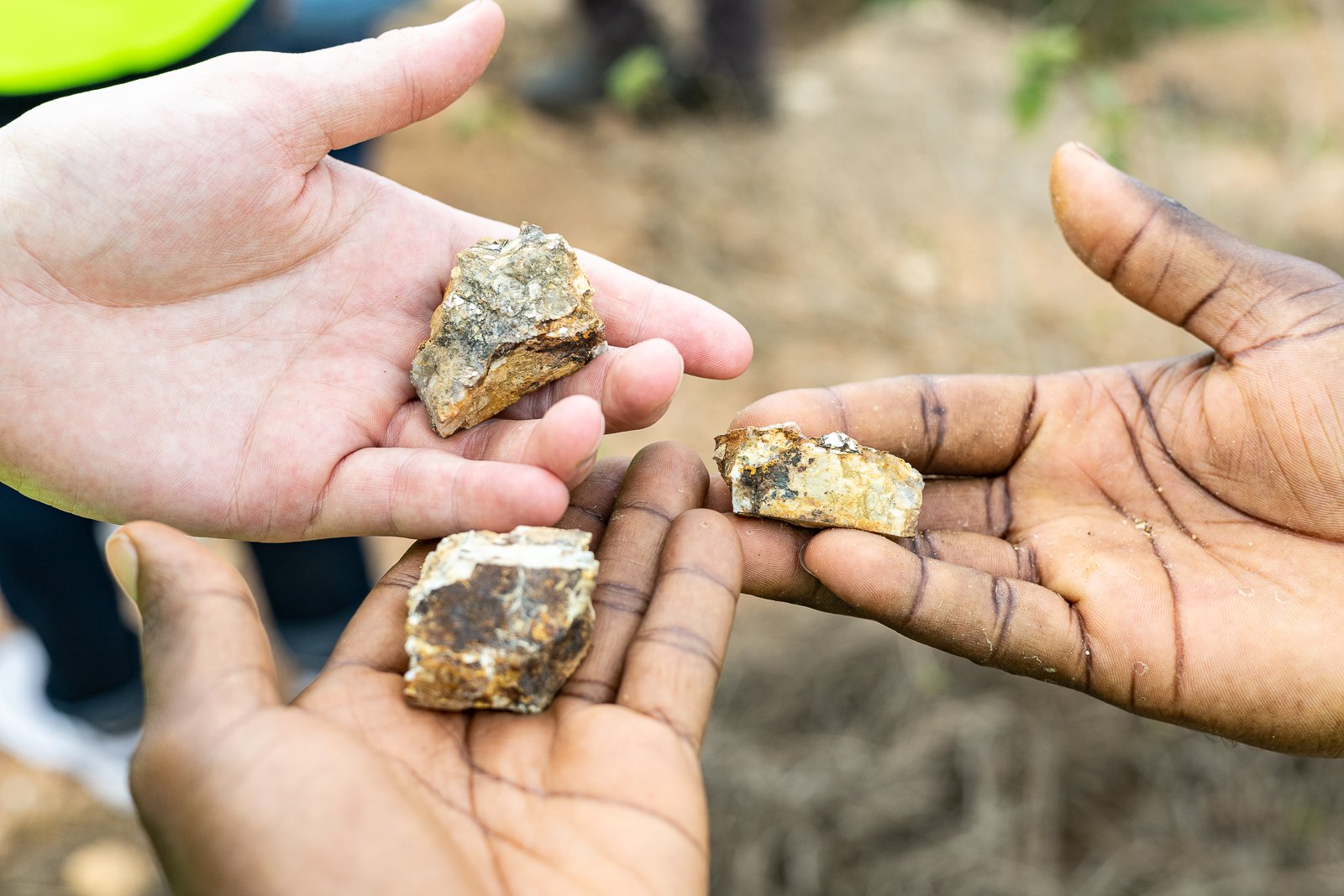
A major shift is underway in Ghana’s emerging lithium industry as Chinese mining giant Zhejiang Huayou Cobalt moves to acquire Australian-listed Atlantic Lithium in a deal valued at approximately US$210 million, positioning itself to take control of the country’s flagship Ewoyaa lithium project.
The proposed all-cash acquisition represents a strategic play for one of Africa’s most advanced lithium assets, with the Ewoyaa project widely expected to become Ghana’s first lithium-producing mine. According to reports, the offer includes a premium of over 26 percent on Atlantic Lithium’s share price, reflecting strong investor interest in battery minerals amid rising global demand.
At the heart of the transaction is the Ewoyaa lithium deposit, located in Ghana’s Central Region near Saltpond. The project has already cleared a major regulatory hurdle after receiving parliamentary ratification of its mining lease in March 2026, paving the way for final investment decisions and construction planning.

The acquisition, if completed, would effectively transfer control of the project to Huayou, a major player in the global battery materials supply chain. The Chinese firm already operates lithium and cobalt assets across Africa, including the Arcadia lithium mine in Zimbabwe, and is seeking to deepen its footprint in the continent’s fast-growing critical minerals sector.
Industry analysts view the deal as part of a broader global race for lithium, a key component in electric vehicle batteries and renewable energy storage systems. As demand for clean energy technologies accelerates, countries like Ghana are becoming increasingly important in securing future supply chains.
The Ewoyaa project itself is considered one of the most advanced hard rock lithium developments in Africa. Estimates suggest it could produce around 3.6 million tonnes of spodumene concentrate over a projected 12-year mine life, making it a significant contributor to the global lithium market.
For Atlantic Lithium, the takeover offer comes at a time of market uncertainty. Lithium prices have experienced volatility in recent years, while the capital-intensive nature of mining projects has raised financing and execution risks. Company leadership has indicated that the deal provides a more certain pathway to development compared to advancing the project independently.

However, the transaction is not yet final. It will require approval from Atlantic Lithium shareholders, with a vote expected later in 2026. In addition, Huayou must navigate stakeholder relationships, including joint venture partners such as Elevra Lithium, which holds a minority interest in the Ewoyaa project.
The deal also highlights growing geopolitical dynamics around critical minerals. Africa has become a key battleground for influence between global powers seeking to secure access to resources essential for the energy transition. China has been particularly aggressive in acquiring stakes in lithium, cobalt, and other battery metals across the continent.
For Ghana, the development presents both opportunity and scrutiny. The country stands to benefit from increased investment, job creation, and participation in the global green economy. At the same time, policymakers and civil society groups continue to emphasise the need for fair revenue sharing, environmental safeguards, and local value addition.
The Ewoyaa project marks a significant step in Ghana’s ambition to diversify its mineral economy beyond gold and cocoa, positioning itself as a future player in the lithium supply chain. But the outcome of this deal could shape not just ownership structures, but also how the country negotiates its place in the global energy transition.

As the transaction progresses, attention will turn to how Ghana balances foreign investment with national interest, ensuring that the benefits of its lithium resources translate into long-term economic value.
Ewoyaa chiefs and residents reject lithium royalty cut demand reversal