


The government of Zambia has pushed back firmly against a proposal from the United States to link a major health funding package to access to its critical mineral resources, escalating tensions over what officials in Lusaka describe as an attempt to tie humanitarian support to strategic economic interests.
At the centre of the dispute is a proposed agreement reportedly offering up to $2 billion in health sector support over five years. While the financial commitment is significant, Zambian authorities have raised concerns about the conditions attached to the deal, particularly provisions that would grant US companies preferential access to the country’s mineral wealth.
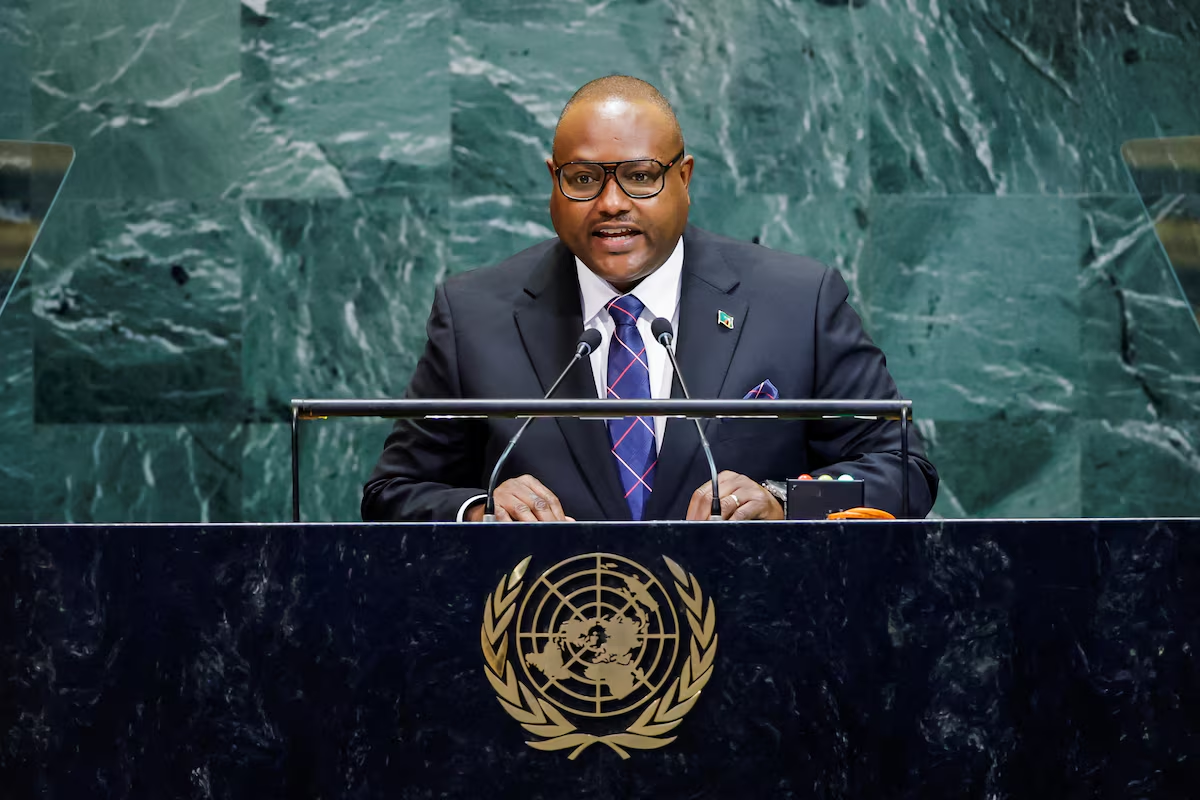
Zambia’s foreign minister made the government’s position clear, insisting that health cooperation and mineral resource negotiations must remain separate. The stance reflects growing unease within the country about safeguarding sovereignty over strategic assets, especially as global demand for critical minerals intensifies.

As Africa’s second largest producer of copper, Zambia occupies a key position in the global supply chain for materials essential to renewable energy systems, electric vehicles, and advanced technologies. This has made the country increasingly attractive to international partners seeking stable access to these resources. However, Zambian officials appear determined to avoid agreements that could compromise long term control over their mineral sector.
The proposed deal has also raised alarm over data governance. Reports indicate that certain clauses could involve data sharing requirements linked to the health programme, sparking concerns about the privacy of Zambian citizens. Authorities in Lusaka have signalled that any arrangement perceived to weaken national data protection standards would face strong resistance.
The disagreement comes at a time when the United States is recalibrating its foreign assistance strategy across Africa. Recent shifts have included tighter control over aid distribution, a reduction in the role of non governmental organisations, and structural changes affecting the United States Agency for International Development. These reforms are widely seen as part of a broader effort to align development assistance more closely with strategic and economic priorities.

For Zambia, the situation highlights a deeper balancing act. On one hand, the country continues to face pressing public health challenges that require sustained international support. On the other, it is navigating a complex geopolitical environment where major powers are competing for influence and access to critical resources.
Analysts say Zambia’s response reflects a wider shift among African nations toward more assertive negotiation strategies. Governments are increasingly scrutinising the terms of foreign partnerships, seeking to ensure that agreements deliver mutual benefit rather than reinforcing dependency or limiting domestic control over key sectors.
The copper rich nation has, in recent years, taken steps to strengthen governance within its mining industry, aiming to maximise revenue, improve transparency, and attract investment while retaining oversight. This approach is particularly important given the role of copper and other minerals in financing development and stabilising the economy.
The US proposal, therefore, touches on sensitive ground. Linking health aid to mineral access risks being interpreted as transactional diplomacy, where essential services are leveraged for economic gain. For Zambian policymakers, this raises fundamental questions about fairness, sovereignty, and the long term implications of such arrangements.

While negotiations are expected to continue, Lusaka’s position sends a clear signal: development partnerships must respect national priorities and boundaries. Health support, officials argue, should not come with conditions that compromise control over strategic resources or citizen data.
The outcome of this standoff could have broader implications across the continent. As global demand for critical minerals continues to rise, similar tensions may emerge in other resource rich countries, reshaping how aid, investment, and diplomacy intersect in Africa’s evolving economic landscape.
Ghana rejects US health deal over data-sharing concerns