

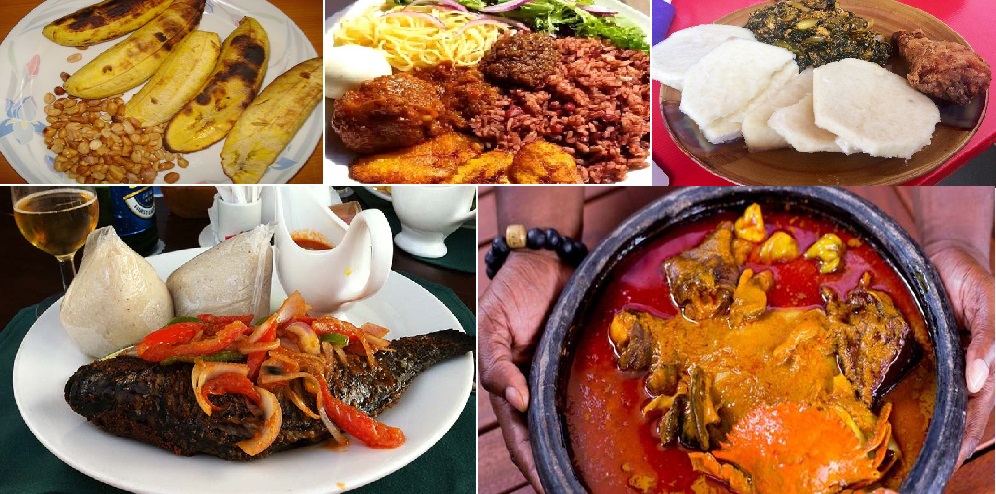
Walk through any busy Ghanaian market on a Tuesday morning and the sheer abundance can feel almost contradictory. Plantains stacked in golden heaps, cocoyam leaves bundled together for a few cedis, fresh tomatoes, garden eggs, kontomire, and beans piled high in every direction. And yet, for millions of Ghanaians, the question of whether to eat well or simply eat enough has become one of the most stubborn daily calculations of modern life. The idea that healthy eating is a privilege reserved for those with disposable income is gaining ground, fuelled by rising food prices, stagnant wages, and an Instagram culture that associates nutrition with expensive smoothie bowls and imported superfoods. But is that perception accurate? Or is it a story we tell ourselves to avoid confronting what is genuinely possible with what we have?
The honest answer is that both things are simultaneously true, depending on who you are, where you live, and how much time and knowledge you have access to.
A recent World Food Security and Nutrition report highlighted a pressing concern: the rising cost of a healthy diet, averaging GH¢66 (approximately $4.29) per day in Ghana. While this may seem affordable to some, for many Ghanaians it presents a real challenge. To put that figure in context, the unemployment rate in Ghana stood at approximately 14.5% in 2025, with youth unemployment exceeding 30% among individuals aged 15 to 24. For someone earning Ghana’s daily minimum wage or operating in the informal sector, spending GH¢66 on food alone each day is not merely difficult. It is impossible.

Yet the argument that eating healthily in Ghana is entirely out of reach does not hold up to scrutiny either, and it lets us off the hook in ways that are worth examining. Traditional Ghanaian cuisine is, by global nutritional standards, exceptional. Staple foods like plantains, cassava, yams, and rice form the base of most meals, while flavorful stews, soups, and grilled dishes add variety and nutrients. Traditional Ghanaian cuisine is rich in fresh produce, whole grains, and lean proteins. By embracing local ingredients and cooking methods, it is genuinely possible to enjoy a healthy and affordable diet in Ghana.
The problem is not that nutritious food does not exist in Ghana. The problem is structural: access, convenience, processing, and knowledge gaps conspire to push many people toward cheaper but less nourishing options.
Consider what happens to food between the farm and the table. A bunch of kontomire bought fresh from the Agbogbloshie market is both affordable and nutritionally dense, packed with iron, calcium, and vitamins. But its perishability means a family without reliable refrigeration may lose half of it before it is used. The affordable choice then shifts to canned goods, processed instant noodles, or the heavily oiled waakye sold from a street vendor, which is filling but calorie-dense and low in micronutrients. The drift away from fresh food is not laziness. It is logistics.

Research from Ghanaian market research company SumsureIQ found that even when global prices fall, the structural costs within Ghana including port charges, warehousing, distribution costs, and retail overheads maintain upward pressure on final prices. This is why consumers rarely see price reductions: once prices rise, business costs prevent them from falling back. That dynamic affects everything on the shelf, including locally produced food that travels through multiple intermediaries before reaching the end buyer.
There is also the time variable, which rarely features in conversations about eating well on a budget. Preparing a nutritionally complete Ghanaian meal from scratch, palm nut soup with vegetables, or groundnut soup with fish and seasonal greens, takes significant time. For a market trader who leaves home at 4am and returns after dark, or a security guard working 12-hour shifts, the calculation is not simply about money. It is about energy. The processed, the fried, and the ready-made win by default not because they are preferred but because they are available at the moment the body needs fuel and the hands are too tired to cook.

Despite Ghana’s inflation falling to a four-year low of 5.4% in December 2025, ordinary Ghanaians are still feeling the squeeze, from new Public Utilities Regulatory Commission utility tariff hikes to surging market rents. Inflation for the utilities, gas, and other fuels category surged to 12.6% year-on-year as the first quarter 2026 tariff hike ignited price momentum. Rising gas costs hit home cooking directly. When a household cannot afford to refill its LPG cylinder, the charcoal stove comes out, or cooking stops altogether.
Still, practical possibilities exist that are genuinely worth naming. Legumes, specifically beans and cowpea, remain among the most affordable and nutritionally complete foods available in any Ghanaian market. A kilogram of dried beans in Accra currently costs between GH¢15 and GH¢25 (approximately $1 to $1.50), provides multiple servings of protein and fibre, and keeps indefinitely when stored dry. Eggs, similarly, are a low-cost complete protein. A crate of 30 eggs costs approximately GH¢75 to GH¢90 (approximately $4.60 to $5.50), working out to roughly GH¢2.50 to GH¢3 per egg. Plantain, sweet potato, and yam remain far cheaper per calorie than processed alternatives. Seasonal vegetables like garden eggs, tomatoes, and kontomire are dramatically cheaper when bought in season at community markets rather than from supermarkets.
Some of the most practical strategies for nutritious eating on a budget include shopping at local markets where fresh produce is sold at lower prices than supermarkets, cooking at home using local ingredients and traditional recipes, buying non-perishable items like grains, legumes, and spices in larger quantities to reduce the unit cost, and preserving seasonal produce during peak season to extend its availability across leaner months.

The uncomfortable truth is that healthy eating on a budget in Ghana is possible, but it requires things that poverty specifically strips away: time, storage, planning capacity, and nutritional knowledge. The Ghanaian woman who feeds her family jollof rice and fried chicken every night is not making a bad nutritional choice out of ignorance. She is making the best logistical and economic choice available to her within a system that has made the healthier alternatives harder to access, store, and prepare.
What would genuinely change the equation is less about individual willpower and more about policy: investment in local food storage infrastructure, school nutrition programmes that model affordable healthy eating for children, urban community gardens in dense neighbourhoods, and the kind of cooking education that connects modern nutritional science back to what Ghanaian grandmothers already knew. Banku with okra stew, abenkwan, akyeke with fish, and mpotompoto are not just comfort foods. They are, nutritionally speaking, some of the best meals a person can eat. The question Ghana should be asking is not whether eating healthily on a budget is possible. It clearly is. The question is whether the country is willing to build the conditions that make it easy enough to be a real choice, rather than a lucky accident.
AI and digital health will shape Africa’s healthcare future, says WHO chief