


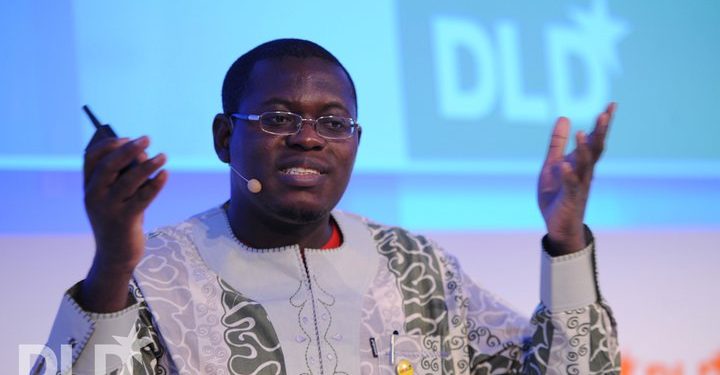
Concerns over Ghana’s gold-backed financial operations have intensified after governance analyst Bright Simons warned that weak safeguards in the Bank of Ghana’s gold trading arrangements are exposing the central bank to significant financial losses and avoidable risks. His comments come amid growing scrutiny of the structure and oversight of gold-related transactions designed to stabilise the country’s foreign exchange position.
The warning follows reports of substantial losses recorded by the Bank of Ghana in its gold purchase and reserve management programmes, which have become a central pillar of the country’s strategy to shore up foreign reserves. The operations, initially introduced as stabilisation tools during periods of economic stress, have increasingly come under public and institutional scrutiny over their financial outcomes and risk management frameworks.
Bright Simons, Vice President of policy think tank IMANI Africa, argues that the central issue is not the use of gold itself, but the absence of strong institutional controls governing how gold is purchased, priced, tested, and sold. According to him, these gaps create exposure to market mismatches and operational inefficiencies that can translate into significant balance sheet losses for the central bank.

His concerns are anchored in broader debates about Ghana’s gold-backed interventions, including the Domestic Gold Purchase Programme and related reserve accumulation strategies. While these initiatives were designed to reduce pressure on foreign exchange reserves and stabilise the cedi, they have also introduced complex trading exposures typically not managed by central banks at scale.
The Bank of Ghana has previously acknowledged that these programmes have resulted in financial losses over multiple reporting periods, attributing them largely to timing differences between local gold purchases and international sales, as well as exchange rate adjustments and operational costs. However, it maintains that the interventions were necessary to support macroeconomic stability during periods of severe external pressure.
Recent official disclosures indicate that losses associated with these gold operations run into several billions of cedis over recent years, although authorities argue that the broader economic benefits, including improved reserve buffers and reduced currency volatility, offset some of the accounting impacts.
Key concerns raised in the ongoing debate include the lack of fully developed hedging mechanisms, limited transparency in pricing structures, and the speed at which transactions are executed in response to foreign exchange needs. Critics argue that these factors reduce the central bank’s ability to manage risk effectively in a highly volatile global commodity market.

Simons’ intervention adds pressure on policymakers to reassess the governance framework underpinning Ghana’s gold strategy. He cautions that without stronger safeguards, the central bank risks operating in a space that blends monetary policy with commercial trading exposure, a combination that increases vulnerability to external shocks.
The issue also raises broader questions about institutional boundaries. Central banks are traditionally mandated to focus on monetary stability, inflation control, and currency management, rather than active participation in commodity trading markets. Ghana’s evolving gold strategy, however, has blurred these lines in response to urgent foreign exchange constraints.
Economically, the stakes are significant. Ghana’s reliance on gold as a reserve asset has grown in response to persistent balance of payments pressures and limited access to affordable external financing. While the strategy has helped strengthen reserve positions, it has also introduced new layers of financial risk that require robust oversight and technical capacity.
The broader implication is clear: without strengthened safeguards, clearer operational rules, and improved transparency, Ghana’s gold-backed financial architecture risks undermining the very stability it was designed to support.
Energy Minister Reaffirms Investment Drive Across Ghana’s Power and Petroleum Value Chain