


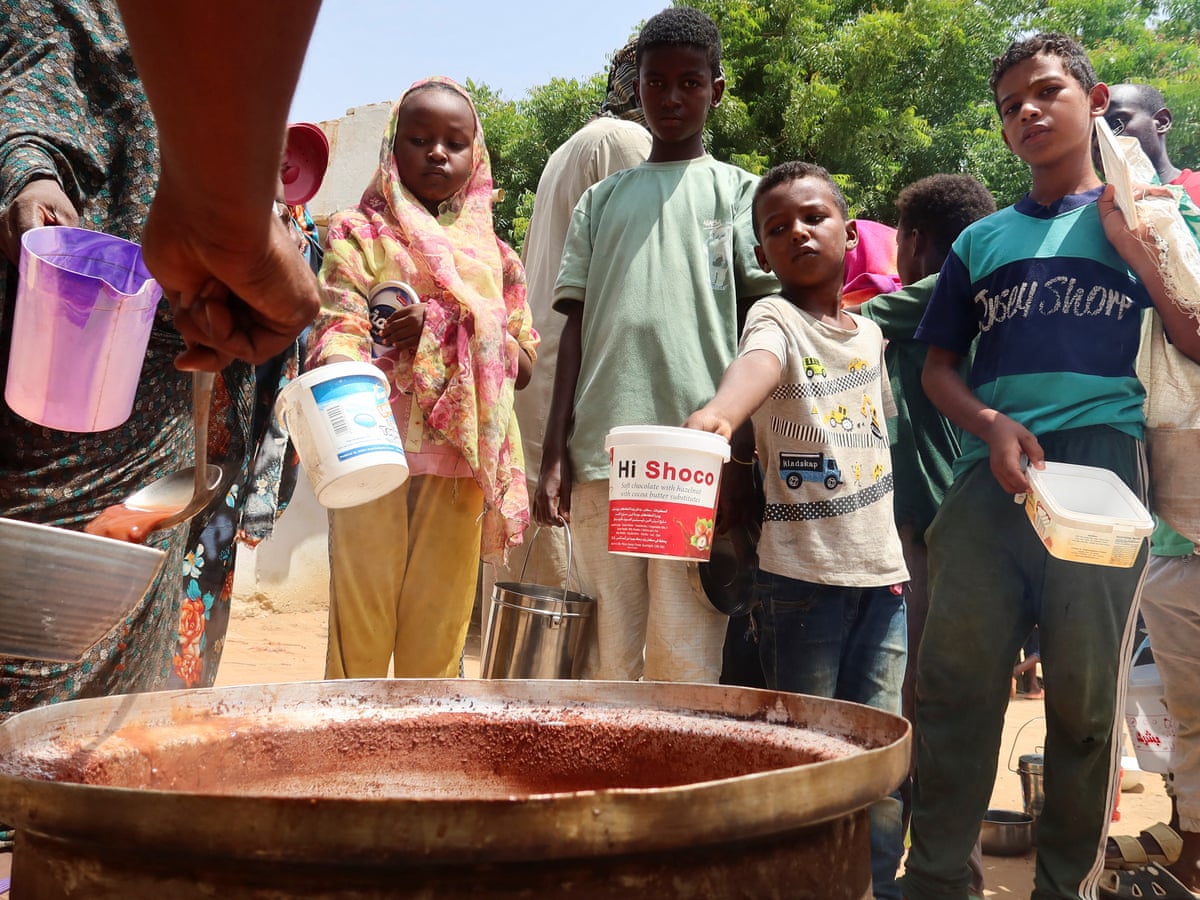
The humanitarian situation in South Sudan is deteriorating rapidly, with the United Nations warning that famine conditions could intensify across the country if immediate and sustained intervention is not delivered. More than half of the population is now facing severe food insecurity, as a combination of conflict, economic instability, and climate shocks continues to disrupt livelihoods and access to basic necessities.
According to humanitarian assessments, millions of people are already experiencing acute hunger, with large segments of the population pushed into crisis and emergency levels under global food security classifications. Aid agencies caution that without urgent support, some regions could slip into full-scale famine, the most severe stage of food insecurity, characterized by extreme hunger, malnutrition, and rising mortality.
The drivers of the crisis are complex and deeply entrenched. Years of instability have weakened agricultural systems, making it difficult for communities to produce or access food. In many areas, ongoing insecurity has displaced farmers from their land, while flooding and erratic weather patterns have further reduced crop yields. These overlapping shocks have created a fragile environment where food supply chains are repeatedly disrupted.

Humanitarian experts highlight that the situation is not just about food shortages but also about access. Even where food is available, many households cannot afford it due to rising prices and limited income opportunities. This has led to a sharp increase in malnutrition, particularly among children and pregnant women, who are among the most vulnerable groups.
The World Food Programme has previously identified South Sudan as one of the world’s most food-insecure countries, and recent projections suggest conditions are worsening faster than anticipated. Aid organizations are struggling to keep up with the scale of need, as funding gaps and logistical challenges limit their ability to reach affected communities.
Access remains a major obstacle. Poor infrastructure, seasonal flooding, and insecurity in certain regions make it difficult to deliver aid consistently. In some cases, humanitarian workers face restrictions that prevent them from reaching the hardest-hit populations, further complicating response efforts.

Officials warn that the crisis is approaching a tipping point. Without increased funding, expanded access, and coordinated international support, the current levels of hunger could escalate into a broader humanitarian catastrophe. The situation underscores the importance of early intervention, as responding before famine conditions fully develop is both more effective and less costly than addressing the aftermath.
There is also a growing concern about long-term impacts. Prolonged food insecurity can have lasting effects on health, education, and economic stability, particularly for children whose physical and cognitive development may be permanently affected by malnutrition. This creates a cycle of vulnerability that can persist for generations if not addressed.
Beyond immediate relief, experts emphasize the need for resilience-building measures. This includes investing in sustainable agriculture, improving infrastructure, and strengthening local economies to reduce dependence on external aid. However, such efforts require stability and long-term commitment, both of which remain uncertain in the current context.

The warning from the United Nations is clear and urgent. South Sudan is facing one of the most severe hunger crises in the world today, and the window to prevent a deeper disaster is narrowing. Without swift and decisive action from the international community, millions of lives could be pushed further into crisis, with consequences that extend far beyond the country’s borders.
Famine Officially Declared in Gaza as UN Agencies Demand Ceasefire