


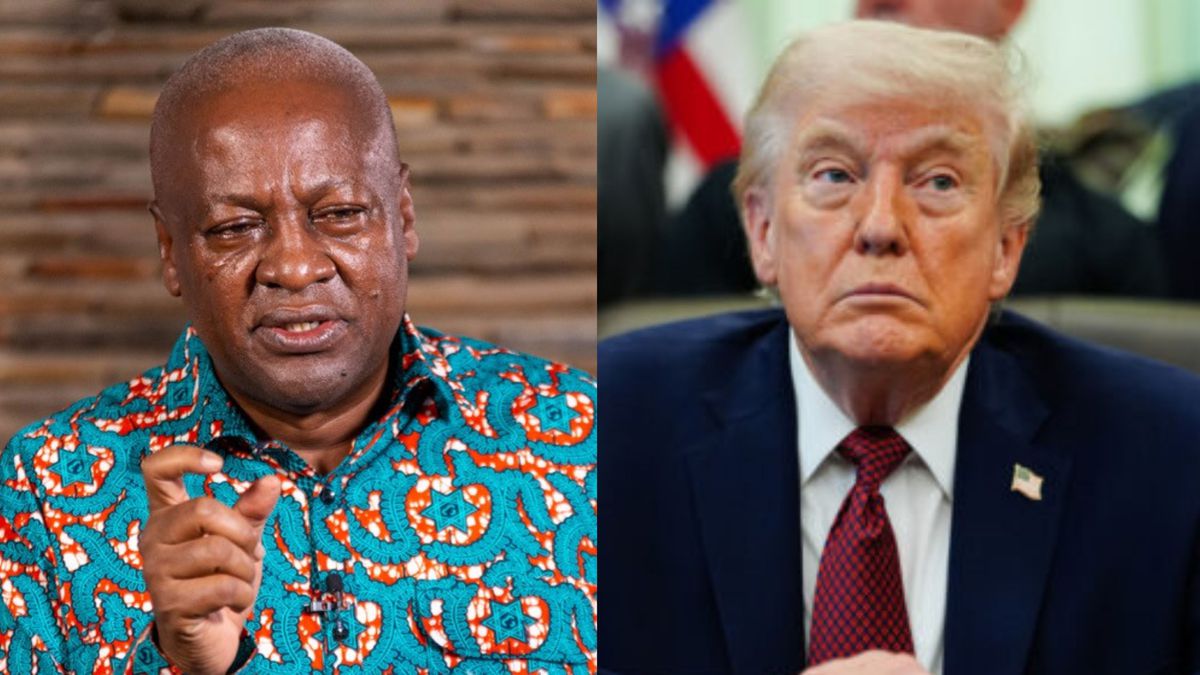
Ghana has turned down a proposed multi-year health agreement with the United States after negotiations broke down over demands to share sensitive national health data, marking a significant moment in the country’s approach to sovereignty and digital security.
According to sources familiar with the talks, the deal would have provided about $109 million in health assistance over five years, targeting major public health challenges including HIV/AIDS, malaria, tuberculosis, and polio. However, Ghanaian authorities refused to proceed after objecting to provisions that required access to sensitive health information of citizens.
The agreement formed part of a broader initiative under the US government’s “America First Global Health Strategy,” which aims to restructure how health aid is delivered to developing countries by pushing for greater local responsibility and data-sharing cooperation.

Negotiations reportedly began smoothly but became more contentious over time. A source involved in the discussions said, “They were pretty normal dealings and negotiations in the beginning, and then increasingly there was a lot more pressure, especially at the end.” This pressure reportedly intensified as a deadline approached, with Ghana ultimately declining to sign before the April 24 cutoff.
The core issue was not just about funding, but control. Ghana’s stance reflects growing concern among African governments about how sensitive data, especially health and biological information, is collected, stored, and potentially used by foreign partners. Similar concerns have already disrupted or delayed comparable agreements in countries like Kenya, Zambia, and Zimbabwe.
Public health experts have also raised red flags about such arrangements. Some argue that while data-sharing can improve global disease surveillance and response, it may expose countries to risks if safeguards around privacy, ownership, and benefits are not clearly defined. In some cases, there are fears that countries providing data may not fully benefit from resulting medical breakthroughs such as vaccines or treatments.
Ghana’s decision signals a broader shift in how African nations are negotiating international partnerships. Rather than accepting aid under strict conditions, governments are increasingly weighing long-term implications around sovereignty, digital rights, and national interest.
At the same time, the rejection does not necessarily signal a breakdown in relations between Ghana and the United States. US officials have indicated that discussions around strengthening bilateral cooperation are ongoing, even as specific deal terms remain undisclosed.

Still, the implications are significant. Ghana has historically been a major recipient of US assistance, receiving around $219 million in foreign aid in 2024 alone, including nearly $96 million dedicated to health programmes. Walking away from a fresh funding package suggests a willingness to prioritise control over data and policy direction, even at the cost of immediate financial support.
The decision also lands at a time when global health financing is undergoing major changes. With traditional aid structures shifting and new conditions being introduced, countries are being forced to reassess what partnerships they are willing to accept.
In practical terms, Ghana will now need to explore alternative ways to fund and sustain critical health programmes, whether through domestic investment, multilateral institutions, or new bilateral partnerships that align more closely with its policy priorities.
The bigger picture is clear: this is not just about one deal. It is about how countries like Ghana define the balance between cooperation and control in an increasingly data-driven global health system.