


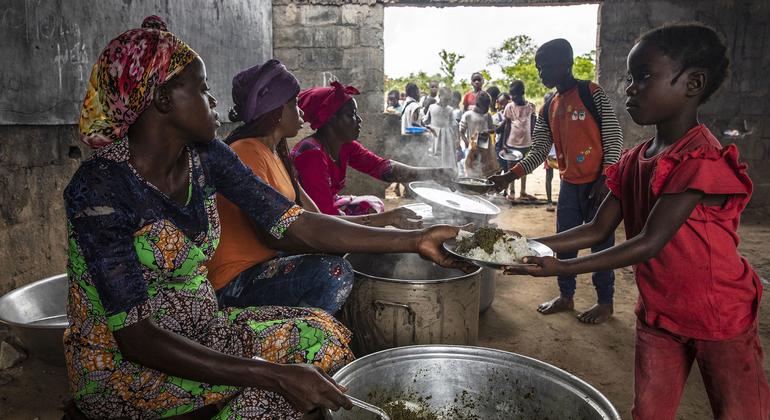
A growing concentration of global hunger in a handful of conflict affected nations is raising alarm among international agencies, with a new report warning that nearly two thirds of people facing acute food insecurity are now located in just ten countries.
The findings, backed by agencies of the United Nations, highlight how conflict continues to be the single biggest driver of severe hunger worldwide, trapping millions in cycles of displacement, economic collapse, and limited access to food. The report points to countries including the Democratic Republic of the Congo, Ethiopia, Sudan, Yemen, Afghanistan, and Haiti as among the hardest hit.
According to the analysis, these nations alone account for the majority of the world’s most severe hunger cases, where people face immediate threats to their lives and livelihoods due to lack of food. In places like Haiti, worsening violence and economic instability have pushed communities deeper into crisis, with millions struggling to secure daily meals.

The report reflects a troubling shift in global hunger dynamics. While food insecurity has long been a widespread issue, it is now becoming increasingly concentrated in areas affected by prolonged conflict and fragility. This concentration makes the crisis more complex, as humanitarian access is often restricted and local systems for food production and distribution are severely disrupted.
Experts from the World Food Programme warn that conflict not only displaces populations but also destroys agricultural systems, disrupts markets, and drives up food prices. Farmers are often unable to plant or harvest crops, while supply chains collapse under the strain of insecurity and infrastructure damage.
In Sudan, for example, ongoing violence has led to mass displacement and a sharp decline in agricultural output, worsening food shortages. Similarly, in the Democratic Republic of the Congo, persistent armed conflict has left vast regions unstable, limiting both farming activities and humanitarian operations.
Beyond conflict, the report notes that climate shocks and economic instability are compounding the crisis. Droughts, floods, and rising temperatures continue to affect food production, particularly in regions already vulnerable to conflict. At the same time, global economic pressures, including inflation and high food prices, are reducing access to affordable food for millions.
In Ethiopia, recurring drought conditions combined with internal conflict have left large populations dependent on humanitarian aid. In Yemen and Afghanistan, prolonged crises have severely weakened economies, leaving families unable to afford basic necessities even when food is available in markets.

Haiti presents a particularly severe case outside Africa, where escalating gang violence has paralyzed large parts of the country, restricting movement and limiting access to food supplies. The report indicates that hunger levels there have reached alarming levels, with significant portions of the population facing emergency conditions.
The concentration of hunger in these conflict zones presents a major challenge for global response efforts. Humanitarian agencies often face security risks that limit their ability to deliver aid, while funding shortfalls further constrain operations. The Food and Agriculture Organization has emphasized the need for sustained investment in both emergency relief and long term resilience building.
Analysts argue that addressing the crisis will require more than just food aid. There is growing recognition that sustainable solutions must tackle the root causes of hunger, particularly conflict and political instability. Without progress toward peace and governance, efforts to reduce hunger are likely to face significant setbacks.
At the same time, there is increasing urgency for coordinated international action. The report calls for stronger collaboration between governments, humanitarian organizations, and development partners to scale up interventions and prevent further deterioration.

The implications of the findings extend beyond the affected countries. Rising hunger levels can contribute to broader instability, including increased migration pressures and regional insecurity. As such, the crisis is not only a humanitarian concern but also a global security issue.
Despite the severity of the situation, experts stress that progress is still possible if adequate resources and political will are mobilized. Expanding access to food assistance, supporting local agriculture, and improving resilience to climate shocks are seen as critical steps.
However, the current trajectory suggests that without decisive action, the concentration of hunger in conflict affected countries will continue to deepen, leaving millions trapped in conditions of extreme vulnerability.
Global hunger crisis could worsen as Middle East conflict threatens millions more, WFP warns