

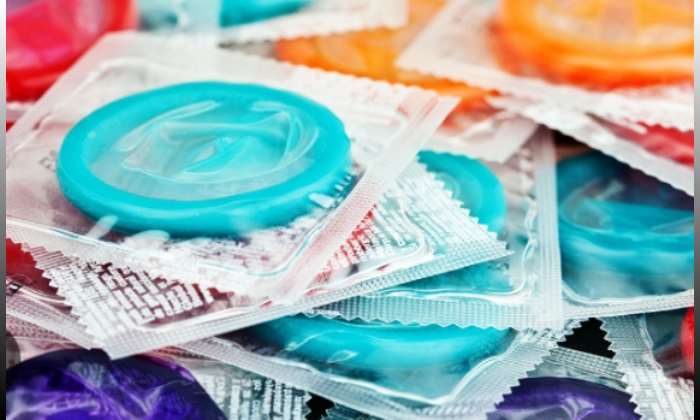
The world’s largest condom manufacturer, Karex, is preparing to raise prices by between 20 percent and 30 percent, with the possibility of further increases, as the ongoing conflict involving Iran continues to disrupt global supply chains and drive up production costs.
Karex, led by chief executive Goh Miah Kiat, produces more than five billion condoms annually and supplies major global brands such as Durex and Trojan, as well as public health programmes including those run by the United Nations and national health systems like the United Kingdom’s NHS.
The company’s decision reflects a broader ripple effect from the war, which has significantly impacted the global flow of energy and petrochemical products. Many of the materials used in condom production, including synthetic rubber, nitrile, and silicone based lubricants, are derived from petroleum or rely heavily on energy intensive processes. As oil prices rise and supply routes become unstable, production costs have surged sharply.

“The situation is definitely very fragile, prices are expensive … We have no choice but to transfer the costs right now to the customers,” Goh said, underscoring the pressure facing manufacturers.
A major factor behind these disruptions is the crisis around the Strait of Hormuz, one of the world’s most critical shipping routes for oil and gas. Since the escalation of tensions in late February 2026, threats to vessels and restrictions on movement have led to delays, higher freight costs, and reduced access to key raw materials.
These disruptions are not limited to raw materials alone. Shipping delays have doubled delivery times in some cases, particularly for exports to Europe and the United States, creating supply shortages and forcing distributors to operate with lower stock levels than usual.
At the same time, demand for condoms has surged globally. Industry data suggests usage has increased by around 30 percent this year, driven partly by economic uncertainty. Goh explained that during periods of instability, people tend to become more cautious about family planning.
“In bad times, the need to use condoms is even more because you’re uncertain with your future,” he noted, highlighting how economic and geopolitical stress can influence consumer behaviour.
The combination of rising demand and constrained supply has created a perfect storm for price increases. Karex is not alone in facing these pressures. Other manufacturers in related industries, including medical gloves and pharmaceutical products, have also warned of cost increases due to the same supply chain challenges.
The implications extend beyond consumer prices. Public health experts have raised concerns that higher costs could limit access to condoms, particularly in developing countries where affordability is a major factor. Reduced access could, in turn, impact efforts to prevent sexually transmitted infections and unintended pregnancies.
Global aid programmes are also under pressure. With funding constraints already affecting distribution in some regions, rising prices could further strain resources, making it more difficult to maintain supply levels in vulnerable communities.

Despite the challenges, Karex has indicated that it currently has sufficient raw material supplies to sustain production in the short term and is working to increase output. However, the company has warned that if the conflict continues and disruptions persist, further price increases may become unavoidable.
The situation reflects a wider trend in the global economy, where geopolitical tensions are increasingly influencing everyday consumer goods. From fuel and food to healthcare products, the effects of the Iran conflict are being felt across multiple sectors, highlighting the interconnected nature of modern supply chains.
For consumers, the immediate impact will likely be gradual price increases in the coming months. For policymakers and health organisations, the focus will be on ensuring that access to essential products remains stable despite rising costs.
As the conflict continues to reshape global trade dynamics, the condom industry has become an unexpected but clear example of how geopolitical events can ripple through even the most routine aspects of daily life.
Declining Condom Use Among Ghanaian Youth Alarming – Ghana AIDS Commission Warns