

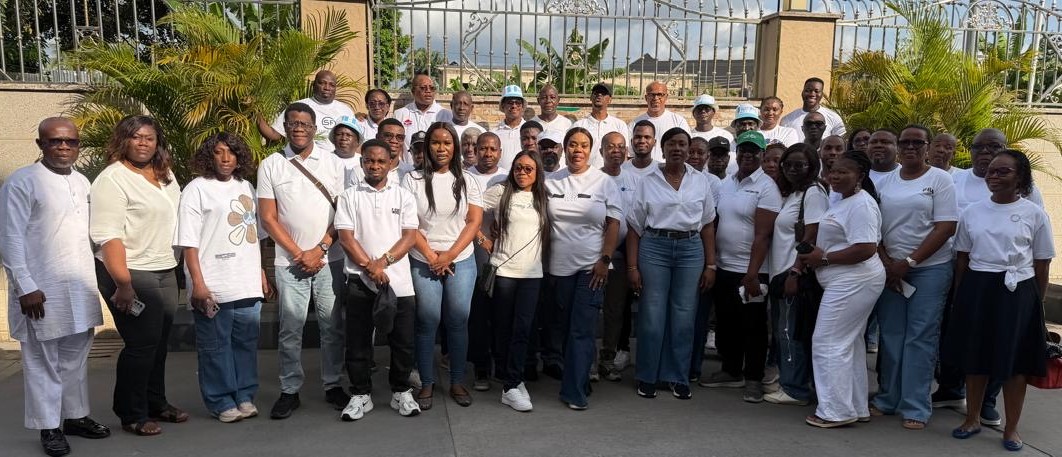
The Office of the Vice-President of the Economic Community of West African States (ECOWAS) has convened its annual retreat, bringing together staff to strengthen internal coordination, enhance operational performance, and reinforce institutional cohesion within the regional bloc.
The retreat forms part of ECOWAS’ broader governance and administrative strategy aimed at improving efficiency across its institutions, particularly at a time when the region faces evolving political, economic, and security challenges. By prioritising internal alignment, the Commission seeks to position itself to deliver more effectively on its regional integration and development mandate.
According to officials, the initiative provided a platform for staff to reflect on past performance, address operational gaps, and align their work with the Commission’s strategic objectives. It also emphasised the importance of teamwork and communication in achieving organisational goals.
Central to the discussions was the need to strengthen collaboration across departments within the Vice-President’s Office. Participants explored ways to improve coordination mechanisms, streamline workflows, and enhance accountability in executing programmes and policies.
The retreat also focused on performance management and productivity, highlighting the role of human capital in driving institutional success. Staff were encouraged to adopt innovative approaches to problem-solving and to remain responsive to the rapidly changing governance landscape in West Africa.
Key outcomes from the retreat included:
- Renewed commitment to improving internal communication and teamwork
- Enhanced focus on aligning individual roles with ECOWAS’ broader strategic priorities
The Office of the Vice-President plays a critical role in supporting the ECOWAS Commission’s leadership, particularly in ensuring the effective implementation of policies and programmes across member states. Strengthening its internal systems is therefore seen as essential to achieving regional objectives.
This year’s retreat comes against a backdrop of increasing demands on ECOWAS institutions, including the need to address political instability, economic pressures, and security threats across the sub-region. Analysts note that improving internal efficiency is a necessary step toward delivering timely and impactful interventions.
The emphasis on cohesion reflects a growing recognition that institutional effectiveness depends not only on policy frameworks but also on the strength of internal collaboration. By fostering a unified and motivated workforce, ECOWAS aims to enhance its capacity to respond to complex regional issues.
The retreat also aligns with the organisation’s long-term vision of building a more integrated, peaceful, and prosperous West Africa. Strengthening institutional performance is considered a key pillar in achieving this vision, particularly as ECOWAS continues to implement strategic frameworks designed to promote economic growth and regional stability.
In recent years, the Commission has intensified efforts to modernise its operations, including improving governance systems, enhancing transparency, and strengthening stakeholder engagement. The Vice-President’s Office retreat is part of these ongoing reforms.
Participants at the retreat underscored the importance of continuous learning and professional development in maintaining high standards of performance. They also highlighted the need for adaptability in responding to emerging challenges, including shifts in regional politics and global economic trends.
Ultimately, the retreat signals ECOWAS’ commitment to strengthening its institutional foundations as it navigates an increasingly complex operating environment. By investing in its workforce and internal processes, the organisation is seeking to deliver more effective policies that support sustainable development and regional integration.
As West Africa continues to confront multifaceted challenges, initiatives such as this retreat demonstrate the importance of strong governance structures and efficient institutions in driving progress across the region.