FIFA to stage first-ever halftime show at World Cup final in major break from tradition

0
91

For the first time in its nearly century-long history, the FIFA World Cup final will feature a halftime show, marking a dramatic shift in how the biggest match in global football is presented to billions of viewers worldwide.

The historic change will take place during the 2026 FIFA World Cup final scheduled for July 19, 2026, at MetLife Stadium, as part of the tournament co-hosted by the United States, Canada, and Mexico.

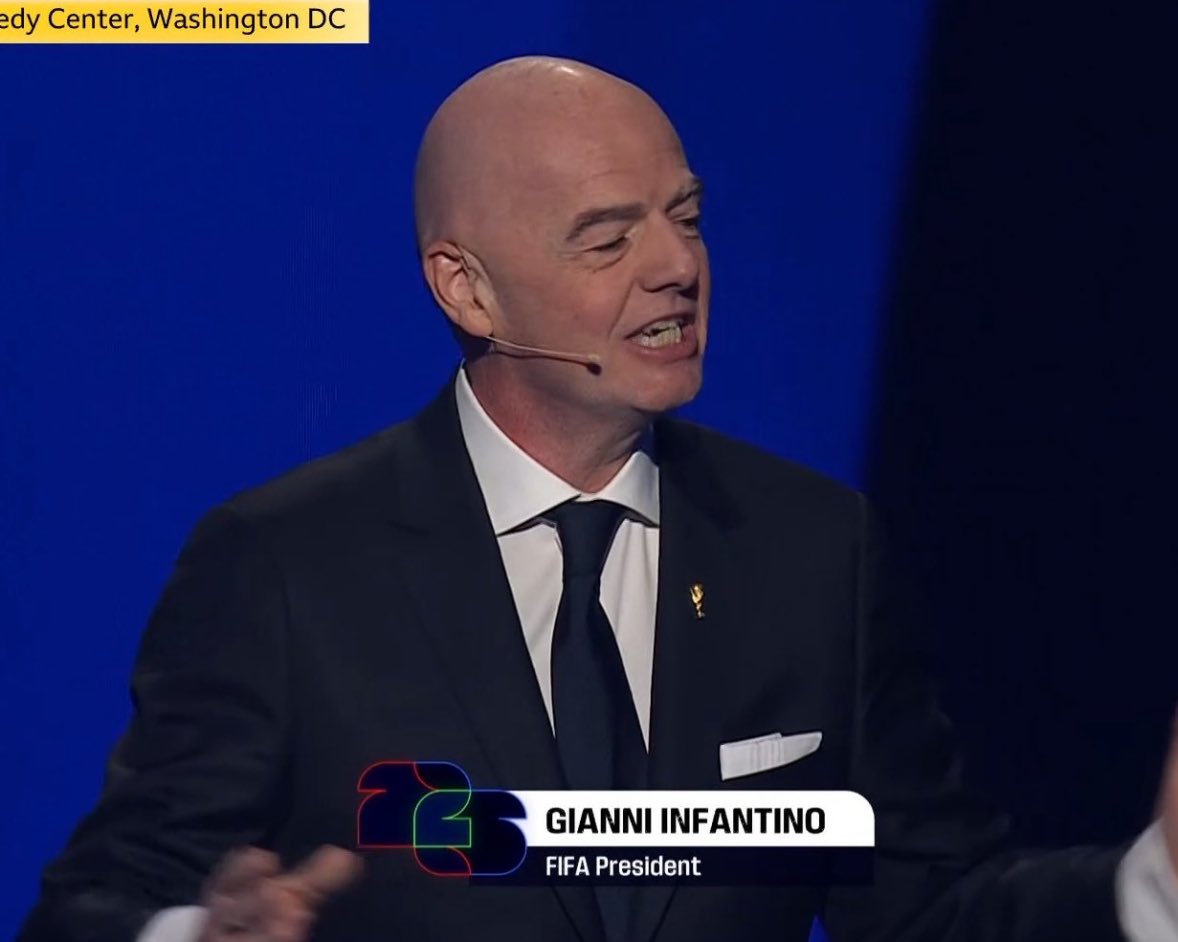
FIFA President Gianni Infantino confirmed the move, describing it as a “historic moment” intended to elevate the spectacle of the final and align it with global entertainment standards seen in events like the Super Bowl.

fifa

The halftime show will be co-produced with the international advocacy organisation Global Citizen, which has previously partnered on large-scale global entertainment events. The production is expected to feature a lineup of world-renowned artists, although the final list of performers has not yet been officially confirmed.

British band Coldplay, through its frontman Chris Martin, is playing a key role in curating the show, signaling FIFA’s intention to deliver a globally appealing and culturally diverse performance.

Reports indicate the show could follow a Super Bowl-style format lasting around 12 to 15 minutes, potentially featuring multiple artists and elaborate stage production designed to captivate a global audience expected to exceed two billion viewers.

This development represents a major departure from football tradition. Historically, the World Cup final has focused solely on the match itself, with entertainment largely limited to opening and closing ceremonies. By introducing a halftime show, FIFA is blending sport with mainstream entertainment in a way that mirrors American sports culture.

FIFA to stage first-ever halftime show at World Cup final in major break from tradition

Supporters of the move argue that it modernises the tournament and enhances its global appeal, especially among younger audiences. It also creates new commercial opportunities, from sponsorship deals to music partnerships, further expanding the World Cup’s already massive economic footprint.

However, the decision has not been without controversy. Critics, including some fans and analysts, have raised concerns about the “Americanisation” of football and the potential disruption to the traditional flow of the game. Questions have also been raised about whether halftime duration will be extended to accommodate the performance, which could affect player recovery and tactical planning.

Despite the debate, FIFA appears committed to pushing ahead with the innovation. The organisation has already tested the concept during the 2025 FIFA Club World Cup final, where artists like J Balvin, Doja Cat, and Tems headlined a similar halftime performance, serving as a precursor to the 2026 event.

The 2026 World Cup itself is already set to be the largest in history, featuring 48 teams and 104 matches across 16 cities. The addition of a halftime show further reinforces FIFA’s ambition to turn the final into not just a sporting event, but a global entertainment spectacle.

fifa
Gianni Infantino

Whether the move becomes a permanent feature of future tournaments will likely depend on how fans, players, and stakeholders respond after its debut. But one thing is clear: football’s biggest stage is about to look very different.

FIFA receives over 500 million ticket requests for 2026 World Cup

Author

  • Daniel Ablordey

    Daniel Ablordey is a Business Analytics student at the University of Ghana Business School and an emerging strategist at the intersection of data, markets, and narrative. With a keen analytical mind and a passion for African business and economic trends, he is building a career focused on translating complex data-driven insights into accessible, decision-relevant stories that matter.

    As a writer and editor with Insight Ghana, African Business Insight, and The African Journal, Daniel delivers sharp, high-impact analysis on current affairs, business developments, and emerging trends across the continent. His work is defined by precision, clarity, and a deep commitment to responsible journalism — ensuring that every story he tells is not only accurate but meaningful to the audiences it serves.

    Beyond his editorial work, Daniel serves as an Ecobank Youth Ambassador, where he actively promotes financial inclusion, digital banking, and financial literacy among young Ghanaians. His leadership experience spans academic, professional, and faith-based institutions, where he has consistently driven initiatives centered on growth, structure, and long-term impact.

    Grounded in the principles of Pan-Africanism and service, Daniel brings a rare combination of analytical rigour and storytelling depth to his work. Whether unpacking market behavior, profiling emerging business leaders, or covering cultural shifts shaping the continent, he approaches every assignment with strategic intent and editorial integrity.

    His broader ambition is to contribute to Africa's transformation by shaping how data, business, and storytelling intersect — not just locally, but on a global stage.

Previous articleIMF urges Ghana to tap resilience fund to strengthen economy amid ongoing reforms
Next articleYouTube pauses ads during livestream peaks to “protect the vibe” in major shift to engagement-first streaming
Daniel Amenyo Ablordey
Daniel Ablordey is a Business Analytics student at the University of Ghana Business School and an emerging strategist at the intersection of data, markets, and narrative. With a keen analytical mind and a passion for African business and economic trends, he is building a career focused on translating complex data-driven insights into accessible, decision-relevant stories that matter.

As a writer and editor with Insight Ghana, African Business Insight, and The African Journal, Daniel delivers sharp, high-impact analysis on current affairs, business developments, and emerging trends across the continent. His work is defined by precision, clarity, and a deep commitment to responsible journalism — ensuring that every story he tells is not only accurate but meaningful to the audiences it serves.

Beyond his editorial work, Daniel serves as an Ecobank Youth Ambassador, where he actively promotes financial inclusion, digital banking, and financial literacy among young Ghanaians. His leadership experience spans academic, professional, and faith-based institutions, where he has consistently driven initiatives centered on growth, structure, and long-term impact.

Grounded in the principles of Pan-Africanism and service, Daniel brings a rare combination of analytical rigour and storytelling depth to his work. Whether unpacking market behavior, profiling emerging business leaders, or covering cultural shifts shaping the continent, he approaches every assignment with strategic intent and editorial integrity.

His broader ambition is to contribute to Africa's transformation by shaping how data, business, and storytelling intersect — not just locally, but on a global stage.