

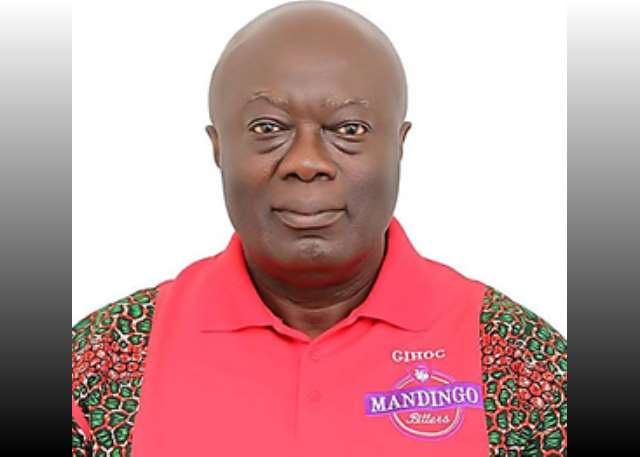
The Economic and Organised Crime Office (EOCO) has reportedly carried out a raid on the home of former government official Kofi Jumah as part of ongoing investigations, marking another high profile move in Ghana’s intensified anti corruption enforcement drive.
The operation, which took place on April 2026, is linked to suspected financial irregularities and alleged economic offences currently under review by state security and investigative authorities. While full details remain limited, the development adds to a growing list of enforcement actions targeting public figures and politically exposed persons in recent months.
According to reports, EOCO officials arrived at the residence early in the day and conducted a search as part of investigative procedures. The agency has not publicly disclosed the specific charges being examined, but sources indicate the raid forms part of a broader effort to trace financial flows and recover suspected proceeds of crime.

Kofi Jumah, a former Member of Parliament and state enterprise executive, has previously been associated with public sector leadership roles, making the case politically sensitive and closely watched by governance analysts and the public.
EOCO, Ghana’s primary agency mandated to investigate organised crime, money laundering, and financial misconduct, has in recent years intensified its operations amid rising public demand for accountability and transparency in governance. The agency works alongside other institutions such as the Financial Intelligence Centre and the Office of the Special Prosecutor in tackling corruption related offences.
This latest operation comes at a time when Ghana continues to strengthen its anti corruption framework under both domestic pressure and international compliance obligations. The country has faced increasing scrutiny over public financial management, procurement processes, and alleged misuse of state resources.
While EOCO has not confirmed whether arrests were made during the raid, such operations typically involve evidence gathering, document seizures, and asset tracing in preparation for potential prosecution. Investigations of this nature can take weeks or months depending on the complexity of financial records and cross border transactions involved.
The raid has already sparked public debate, with many viewing it as part of a broader tightening of enforcement actions against high profile individuals. Others, however, are calling for due process and caution, stressing that investigations must not be conflated with guilt until formal charges are established in court.

In recent years, EOCO has stepped up similar operations involving politically exposed persons, business executives, and public officials suspected of financial misconduct. These efforts form part of Ghana’s commitment to strengthening governance institutions and improving its anti money laundering compliance standards.
The development also comes amid heightened political attention on accountability issues, with civil society organisations consistently urging stronger action against corruption and improved transparency in state institutions.
As investigations continue, EOCO is expected to release further details once preliminary findings are consolidated. For now, the case remains under active inquiry, with legal processes likely to determine the next steps.
The situation underscores a broader reality in Ghana’s governance landscape, where enforcement agencies are increasingly asserting their mandate in high profile cases, signalling a more aggressive stance on financial crime and public sector accountability.
EOCO Reopens Cecilia Dapaah Case: Special Prosecutor Confirms Docket Request