

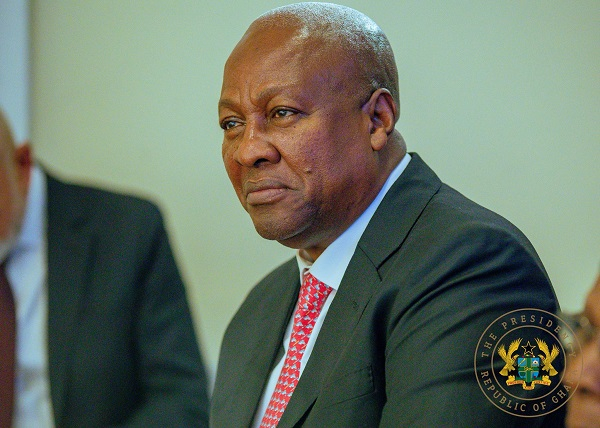
Ghana’s legislative battle over the controversial anti LGBTQ bill has taken a decisive turn, with Speaker of Parliament Alban Bagbin indicating that President John Dramani Mahama is prepared to assent to the bill if it is passed by Parliament. The statement cuts through months of uncertainty and places the responsibility squarely back where it belongs, on lawmakers.
The bill, formally known as the Human Sexual Rights and Family Values Bill, has been one of the most polarising legislative proposals in Ghana’s recent history. It was initially passed by Parliament in 2024 but failed to become law after former President Nana Akufo Addo declined to sign it before leaving office. Its reintroduction in 2026 has reignited both domestic and international debate, but the political posture this time is markedly different.
Speaker Bagbin has already directed that the bill be reintroduced and scheduled for consideration, confirming that it meets constitutional requirements and does not impose financial obligations on the state. That procedural clearance removes one of the key technical barriers that previously slowed its progress. What remains now is political will, and increasingly, that will appears aligned across key institutions.

Mahama’s reported assurance, whether framed as a campaign position or a governing stance, signals a shift from ambiguity to commitment. This matters. In governance, signals from the presidency shape outcomes long before formal decisions are made. By indicating readiness to sign, the presidency effectively reduces the uncertainty that often surrounds controversial legislation and emboldens its supporters within Parliament.
The bill itself is far reaching. It proposes criminal penalties not only for same sex relationships but also for advocacy, support, and even identification with LGBTQ identities. That scope is precisely why it has drawn strong reactions from human rights organisations, legal experts, and international partners. Critics argue that it expands the role of the state into areas of personal identity and expression, raising constitutional and rights based concerns.
Supporters, however, frame the bill differently. For them, it is about reinforcing what they describe as Ghanaian cultural and family values. This framing has proven politically effective, particularly in a society where religious and traditional institutions carry significant influence. It also explains why the bill has maintained momentum despite sustained external criticism.
There is a harder reality that cannot be ignored. Ghana’s economy remains heavily interconnected with global financial institutions and development partners. Previous warnings from the Ministry of Finance and international bodies have suggested that passing the bill could risk billions in external support, including programmes linked to the World Bank and IMF. That is not a theoretical risk. It is a measurable economic variable.

This is where leadership becomes consequential. Parliament may pass the bill. The president may sign it. But the economic and diplomatic consequences will not be absorbed by institutions alone. They will be felt across the economy, from investor sentiment to aid flows and international partnerships.
At the same time, the political calculation is clear. In many African countries, legislation of this nature has been used to consolidate domestic support, particularly among conservative constituencies. Ghana is not operating in isolation. It is part of a broader continental trend where similar laws have emerged or been strengthened in recent years.
The question, then, is not whether the bill can pass. It is whether the system is prepared for what follows.
If Parliament moves forward and the president signs, Ghana will enter a new phase of governance defined not just by policy, but by its implications. Legal challenges are likely. International scrutiny will intensify. Domestic enforcement will raise practical and ethical questions that go beyond legislative intent.
What Speaker Bagbin’s statement has done is remove the illusion of uncertainty. The process is now linear. Parliament debates. Parliament passes. The president signs.
And when that happens, responsibility will no longer be shared or deferred. It will be owned.
Mahama urges global partners to respect Ghana’s position on LGBTQ issues