

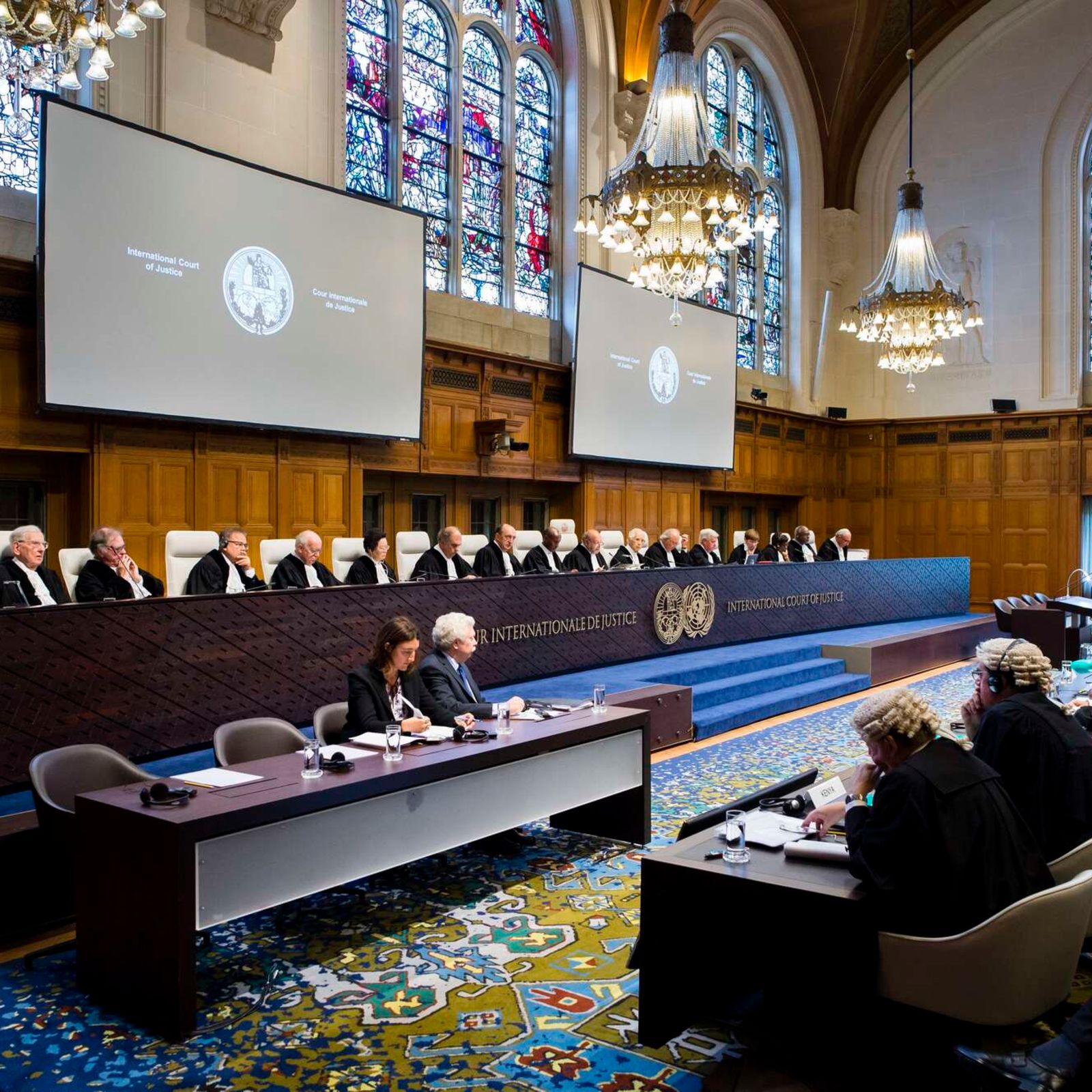
A surge in climate litigation across global courts is rapidly transforming how energy policy is defined, enforced and financed, with Africa now pushing to secure a stronger legal voice to protect its development priorities.
Across the world, courts are no longer just interpreting environmental laws, they are actively shaping climate action. From advisory proceedings at the International Court of Justice to rulings by the International Tribunal for the Law of the Sea, legal institutions are setting new expectations on how countries manage emissions, approve energy projects and regulate natural resources. These interpretations are increasingly influencing national policies, investment decisions and corporate strategies.
Climate litigation itself has evolved into a powerful legal tool, with cases targeting governments and companies over their role in climate change, often framed as violations of constitutional rights, environmental duties or human rights obligations. This shift reflects growing frustration with slow political action, pushing activists, states and institutions to turn to the judiciary to enforce climate commitments.

The turning point came in 2025 when the International Court of Justice issued a landmark advisory opinion declaring climate change an “urgent and existential threat” and affirming that states have a legal obligation to address it. Although advisory, the ruling has already begun to influence legal systems worldwide, strengthening the basis for future lawsuits and raising the stakes for governments and investors alike.
For Africa, the implications are complex and high stakes.
The continent contributes less than 4 percent of global emissions, yet faces increasing pressure to comply with legal standards largely shaped outside its borders. This imbalance has raised concerns among African policymakers and industry leaders that global climate rules could constrain the region’s ability to industrialise, expand energy access and attract investment.
The African Energy Chamber has emerged as one of the most vocal actors in this debate, seeking to ensure that African interests are represented in evolving legal frameworks. The organisation has moved to participate in key legal proceedings before the African Court on Human and Peoples’ Rights, aiming to influence how climate obligations are defined under African law.
Its position is clear: climate action must be balanced with the continent’s right to development.
“If Africa leaves its energy future to outside courts, we risk seeing policies designed for other continents applied here,” said NJ Ayuk, Executive Chairman of the African Energy Chamber. His warning captures a growing concern that legal interpretations driven by high income countries may not reflect Africa’s economic realities, particularly the urgent need to expand electricity access for over 600 million people.
At the same time, the rise of climate litigation is already reshaping financial flows into Africa’s energy sector. Banks, insurers and investors are becoming more cautious about funding fossil fuel projects, citing legal risks, reputational concerns and the potential for future liabilities. This has made it harder for some oil and gas projects to reach final investment decisions, even when they are commercially viable.
Recent court rulings illustrate how deeply this shift is taking hold. In South Africa, for example, a court blocked an energy project after finding that environmental and climate impacts had not been adequately assessed, reinforcing the idea that climate considerations must be integrated into every stage of project development.
This evolving legal landscape is forcing governments and companies to rethink their strategies. Energy projects now face not only technical and financial risks but also legal uncertainty, where failure to meet emerging standards could lead to delays, cancellations or costly disputes.

At the geopolitical level, climate litigation is also becoming a tool for leverage. African countries are increasingly using legal arguments to strengthen their case for climate finance, debt relief and technology transfer from developed nations. By framing climate change as a legal liability rather than just a policy issue, they gain a stronger negotiating position in global forums.
However, this strategy comes with trade offs. Greater legal recognition of climate obligations also means increased scrutiny of domestic energy policies, potentially limiting flexibility in how countries pursue their development goals.
The core tension is clear.
Africa needs energy to grow, industrialise and lift millions out of poverty. Yet the global legal system is tightening expectations around emissions and environmental protection. Navigating this balance will define the continent’s energy future.
The rise of climate litigation marks a decisive shift from political negotiation to legal enforcement. Courts are no longer on the sidelines, they are becoming central actors in the climate debate. For Africa, the challenge is not just to respond to these changes, but to actively shape them.
Because in a world where legal rulings increasingly determine economic outcomes, the real question is no longer whether climate policy will be enforced.
It is who gets to write the rules.