

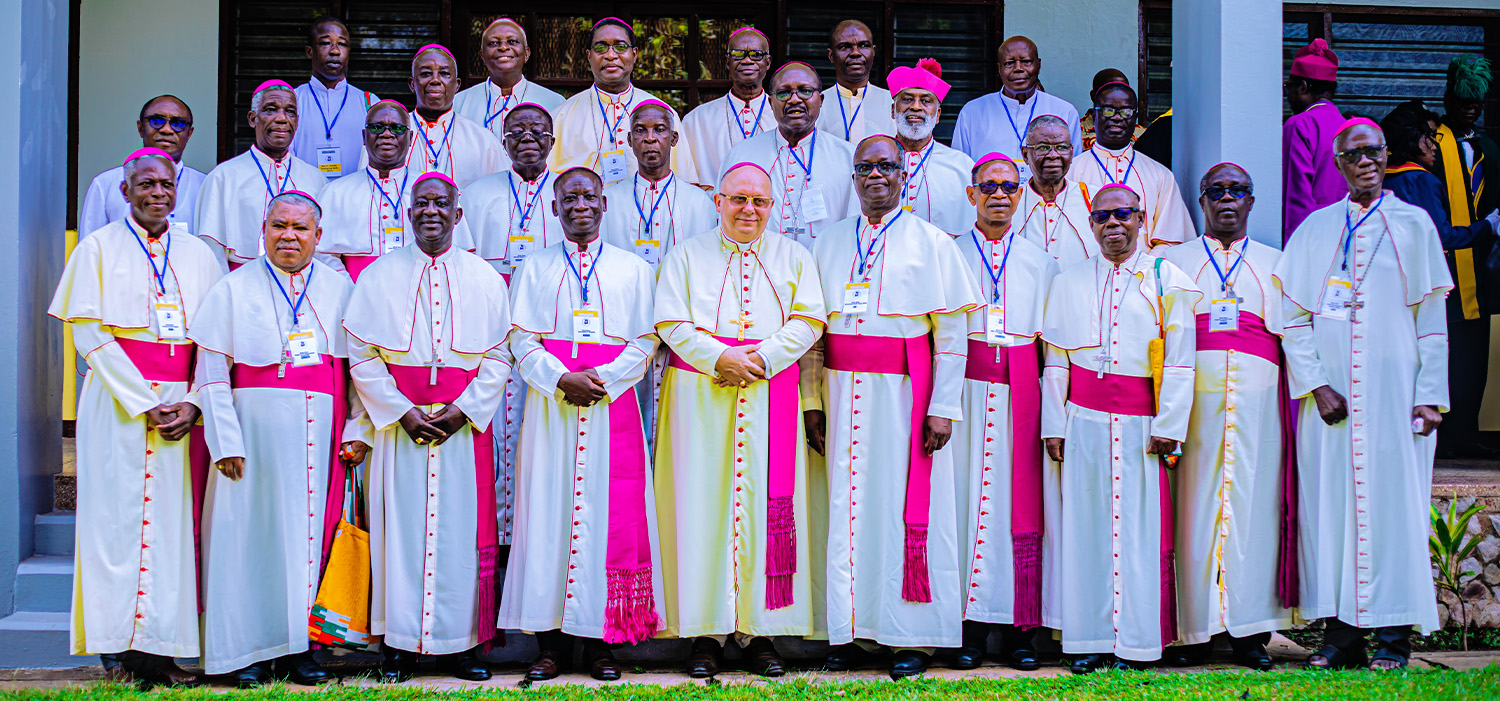
The Ghana Catholic Bishops’ Conference has called for a more structured and respectful national conversation on LGBTQ-related issues, urging stakeholders across government, civil society and religious institutions to engage in dialogue rather than deepening divisions.
In a statement issued on April 10, 2026, the bishops emphasised the need for discussions grounded in “intellectual seriousness, mutual respect, and moral clarity,” warning that dismissive rhetoric risks undermining the significance of the debate for many Ghanaians.
The intervention comes at a time when the national conversation around LGBTQ rights and legislation has intensified, particularly following recent remarks by John Dramani Mahama and government officials suggesting that the issue may not rank as a priority for many citizens. The bishops pushed back against such framing, arguing that matters concerning family, morality and cultural identity cannot be sidelined in public discourse.

Rather than adopting a confrontational tone, the Catholic leadership positioned itself as an advocate for engagement. The Conference stated that its intention is not to impose views but to contribute meaningfully to national discussions, drawing from religious doctrine, ethical reasoning and societal values.
This call for dialogue reflects the broader role religious institutions continue to play in Ghana’s public life. The Catholic Church, which represents a significant portion of the population and operates extensive education and social systems, has historically been an influential voice in debates on governance, morality and national development.
The LGBTQ debate in Ghana has remained one of the most polarising national issues in recent years. Legislative efforts, including the controversial anti LGBTQ bill, have sparked intense reactions both domestically and internationally. Supporters argue the legislation protects cultural and family values, while critics warn it risks violating fundamental human rights and could have economic implications, including potential impacts on foreign investment and international partnerships.
Against this backdrop, the bishops’ appeal for dialogue signals a shift in tone, even as their doctrinal position remains conservative. It suggests an awareness that the conversation has moved beyond legislation alone and now touches on broader questions of national identity, governance priorities and Ghana’s global standing.
The emphasis on stakeholder engagement is particularly significant. By calling for participation from government, traditional leaders, civil society and religious groups, the bishops are effectively advocating for a more inclusive decision making process. This approach contrasts with previous phases of the debate, which have often been characterised by strong rhetoric, political positioning and limited consensus building.
At the same time, the bishops cautioned against reducing the issue to political talking points. They stressed that national discourse should reflect seriousness and depth, especially on subjects that many citizens consider fundamental to the country’s moral and cultural fabric.

The timing of the statement also matters. Ghana is navigating multiple economic and social pressures, and debates around governance priorities have intensified. For some policymakers, economic recovery and job creation dominate the agenda. For others, cultural and moral questions remain equally important. The bishops’ statement highlights this tension and challenges leaders to address both dimensions without dismissing either.
Looking ahead, the call for dialogue raises a critical question: can Ghana move from a polarised debate to a structured national conversation that balances cultural values, legal frameworks and global realities?
The answer will likely shape not just the outcome of the LGBTQ debate, but also the broader trajectory of how the country handles complex social issues in an increasingly interconnected world.
Lincoln University cancels Honorary Doctorate for president Mahama amid LGBTQ+ controversy