


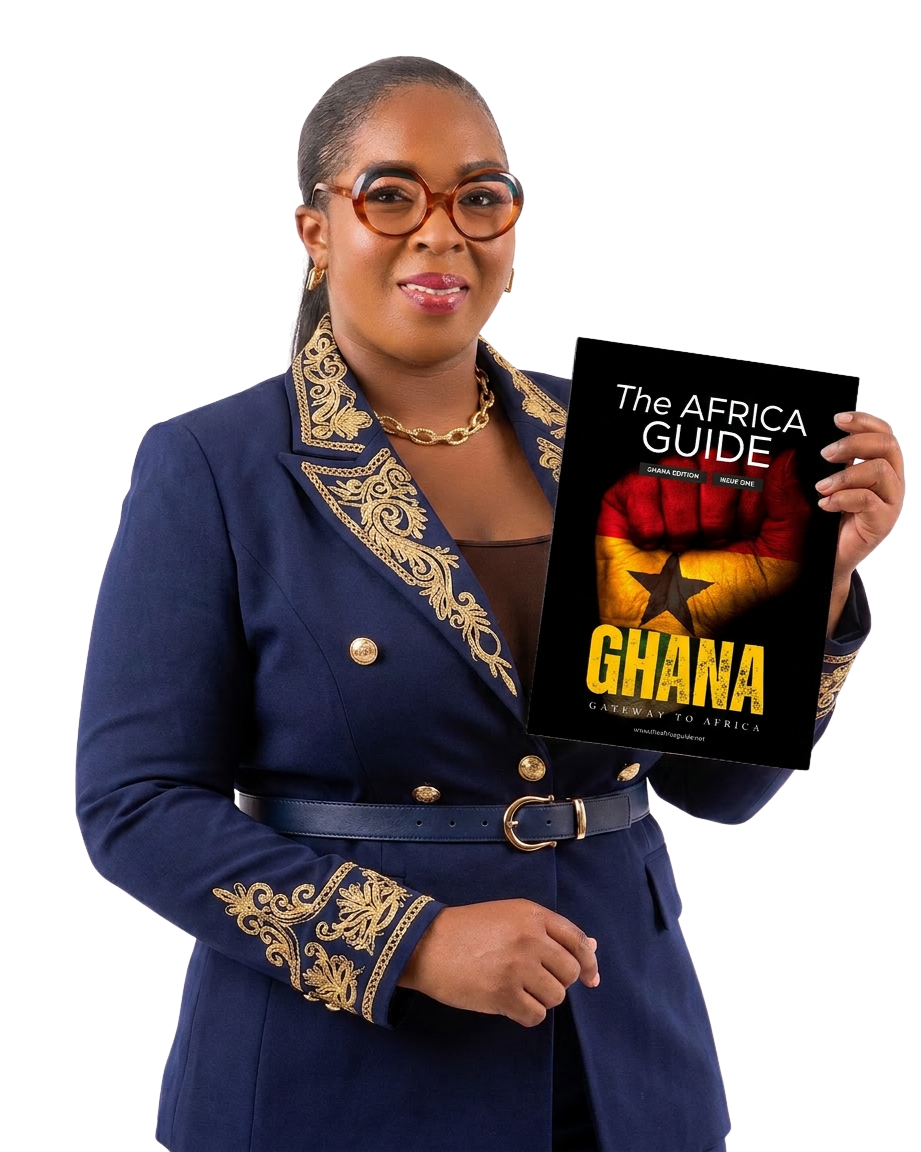
By Dr. Vicki L. Otaruyina, Group CEO, The Africa Guide
There is a popular narrative in tourism circles that Africa is undervalued. I have never fully agreed with that.
The interest is already there. People are curious. Many feel a deep emotional pull toward the continent, whether through heritage, adventure, wildlife, culture, or a desire to see Africa with their own eyes. For diaspora travelers especially, that interest is often personal. It carries memory, identity, and longing.
But interest without clarity rarely becomes action. The real issue is not whether people want to experience Africa. It is whether they feel equipped to do so with confidence. Travelers are asking practical questions. Where should they begin? Who can they trust? What will the experience actually feel like beyond the glossy images? How do they engage a country in a way that is deeper than the usual highlights?
When those questions go unanswered, admiration remains admiration. It never becomes a booking.
That is where Africa has been losing opportunity.

This is not a beauty problem. It is not a culture problem. It is not a value problem. Africa has no shortage of richness, distinction, or global appeal. The challenge is that we have often leaned too heavily on exposure without building enough explanation around it. We have mastered the image, but not always the interpretation. We have shared the spectacle, but not always the structure people need to move with confidence. A breathtaking waterfall can capture attention. A lion sighting can inspire wonder. A luxury lodge can create aspiration. But none of these, on their own, tell a traveler what the journey will mean, how to navigate it well, or how to move beyond a surface level experience.
Today’s traveler wants more than a destination. They want context. They want connection. They want confidence. And confidence is built through clarity. This is the gap I saw clearly, and it is exactly why I created The Africa Guide. The Africa Guide was designed as a destination education platform, not just a publication. Its purpose is to help bridge the space between curiosity and confident engagement by presenting African countries with greater clarity, depth, and trust.
Over the past year, we have quietly released nine country specific editions. These were not intended to be full destination profiles. They were designed as strategic entry points, spotlighting selected categories and themes to begin introducing readers to the identity, opportunities, and distinctiveness of individual countries in a more structured way.
They represent the first layer of a much larger vision.
That vision is to build a credible, country by country platform that presents Africa with the clarity, dignity, and strategic depth it deserves.
The next phase of this work will go much further. Our full editions are being developed to provide deeper cultural and historical context, richer destination insight, more practical travel and engagement guidance, and greater visibility for trusted voices and operators on the ground. Zimbabwe is expected to lead that next phase, with the first full edition scheduled for April 2027. What we are witnessing is not a lack of interest in Africa. It is a gap between curiosity and clarity, interest and trust, desire and decision. And that gap is not merely a marketing problem. It is an explanation problem. It is a storytelling problem. It is a trust problem.

Until Africa is presented in ways that are clear, culturally grounded, practically useful, and genuinely trustworthy, too many potential travelers will continue to admire the continent from a distance instead of experiencing it for themselves. The future of African tourism will not belong to whoever generates the most noise. It will belong to those who help people understand Africa well enough to choose it with confidence.
The Africa Guide is a diaspora-focused destination education and storytelling platform designed to help people move from curiosity about Africa to confident, informed engagement. It goes beyond traditional travel content by providing cultural context, practical guidance, and access to trusted voices and experiences across the continent.
Visit now: theafricaguide.net